CONTACT Style About

Beverages

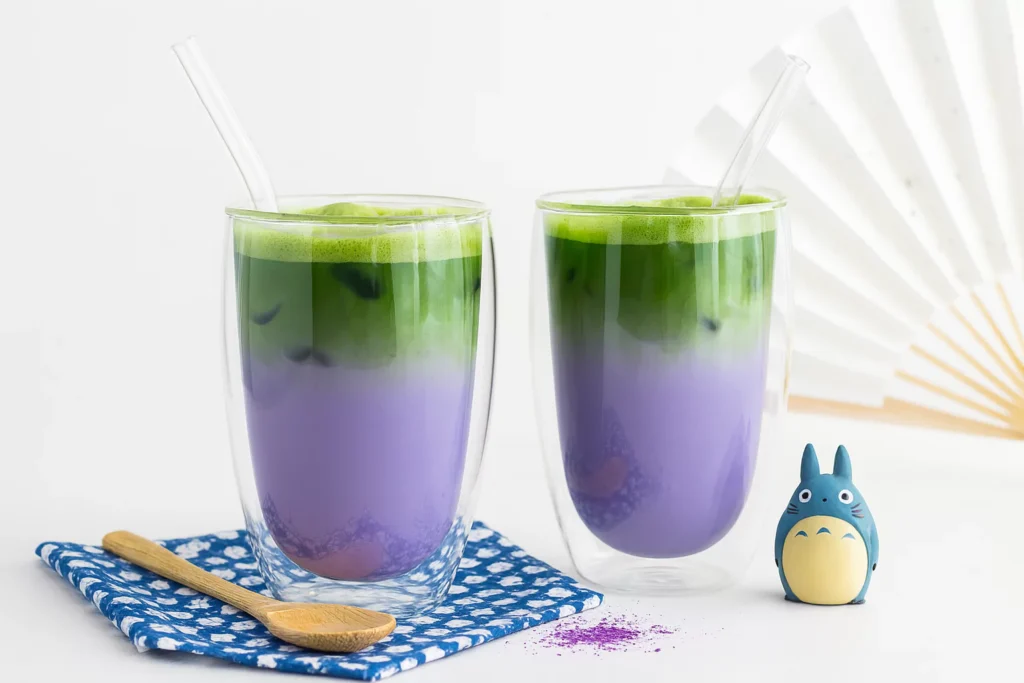
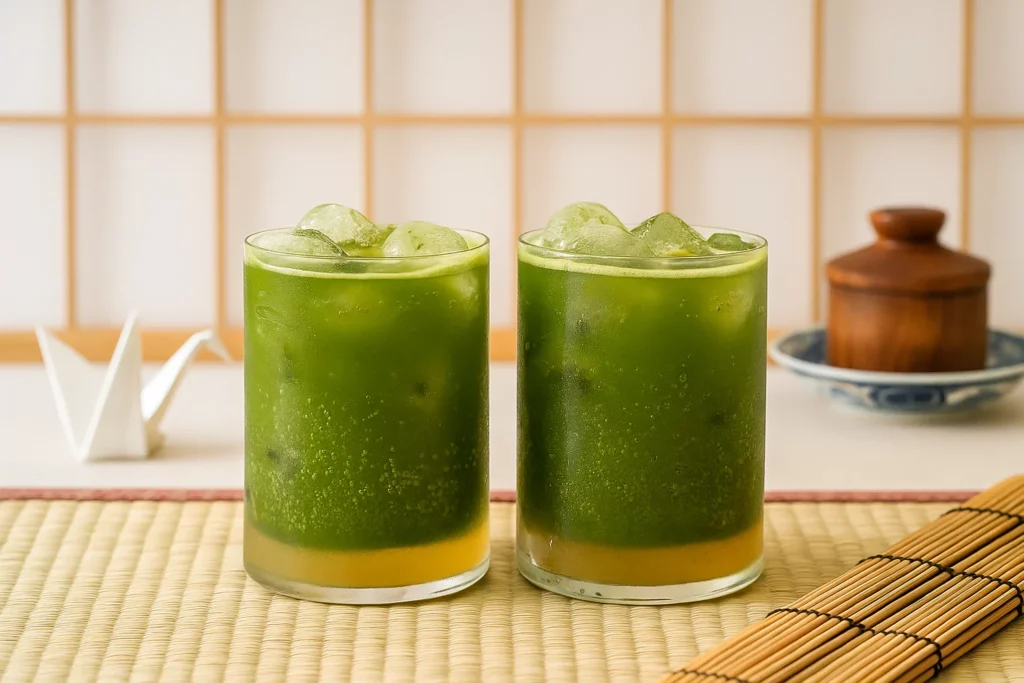
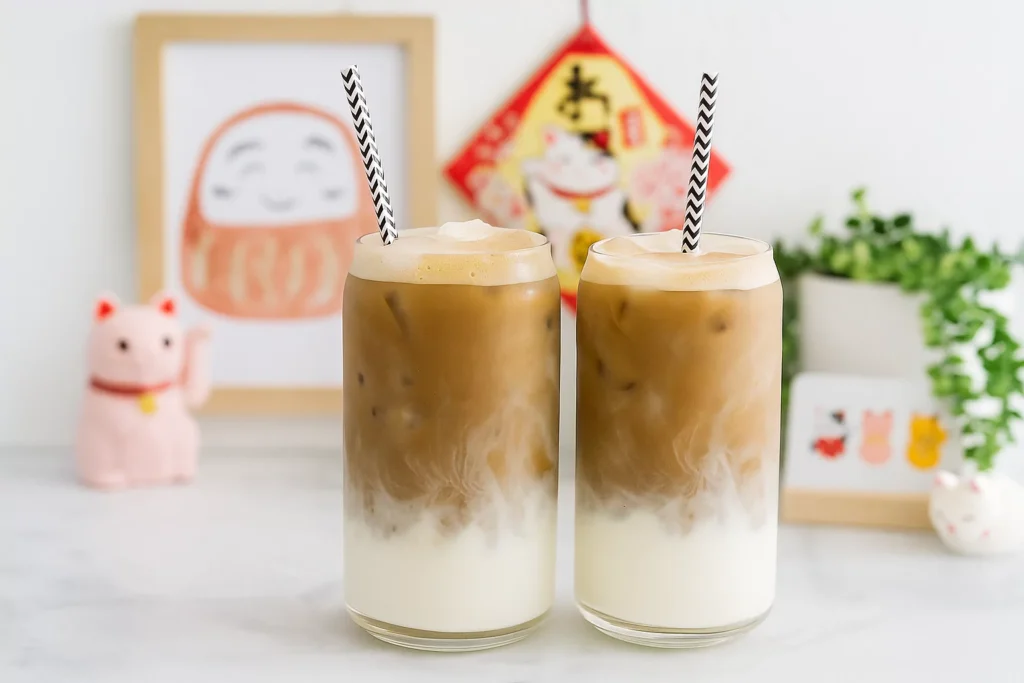
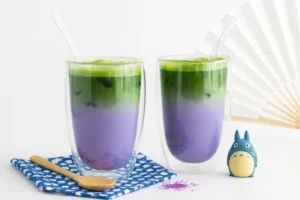
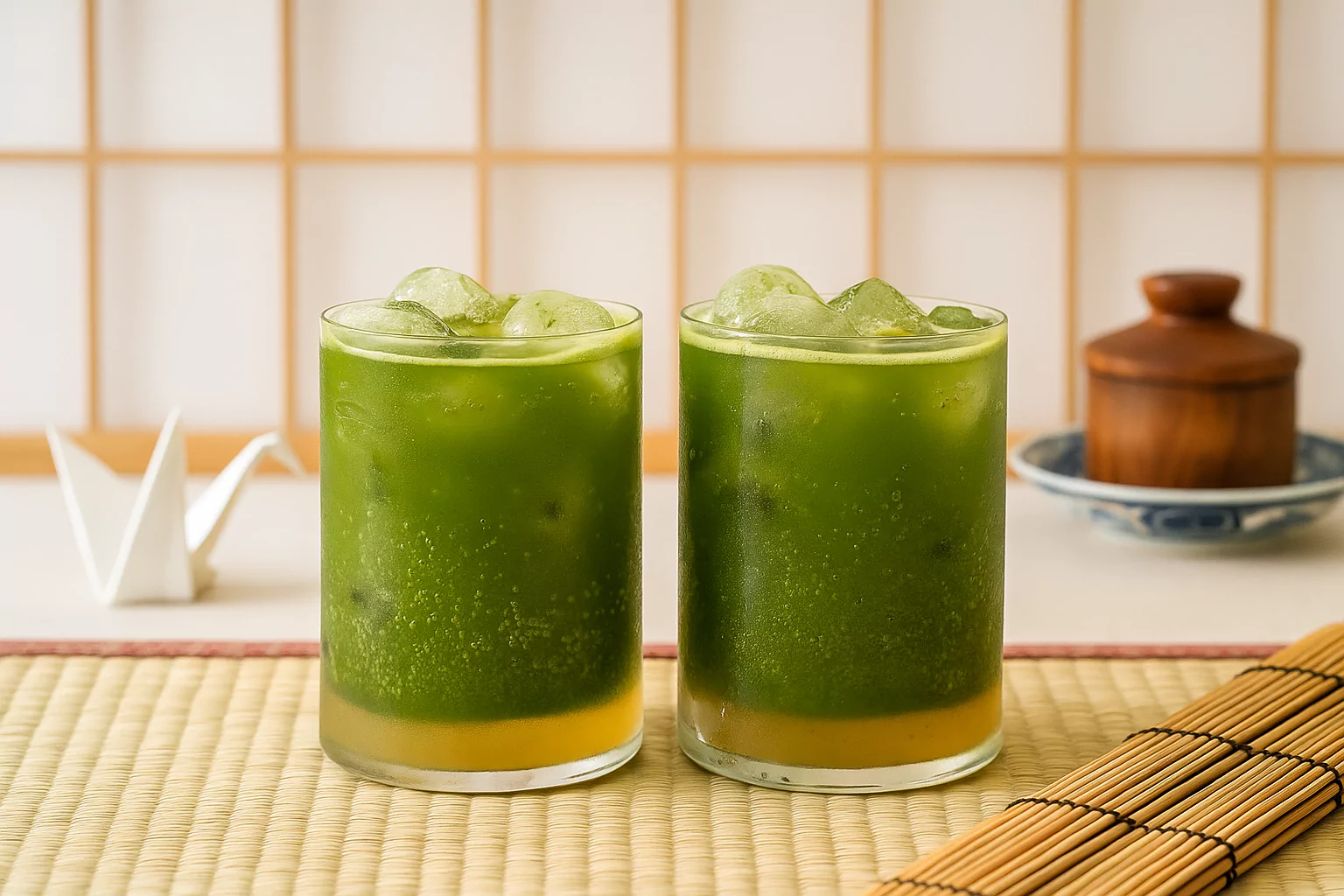
Cool down or warm up with drinks that comfort and refresh. From traditional teas like matcha (抹茶) and genmaicha (玄米茶) to fruity smoothies and modern café-style drinks, these recipes are simple and satisfying.

Whether it’s a cozy cup for a quiet moment or a colorful glass to share, you’ll find your new favorite nomimono (飲み物) right here.

Reader Favorites
Beverages

Cool down or warm up with drinks that comfort and refresh. From traditional teas like matcha (抹茶) and genmaicha (玄米茶) to fruity smoothies and modern café-style drinks, these recipes are simple and satisfying.

Whether it’s a cozy cup for a quiet moment or a colorful glass to share, you’ll find your new favorite nomimono (飲み物) right here.

Reader Favorites

Latest Japanese Beverages

Japanese Beverages — Frequently Asked Questions

What are the most popular Japanese beverages?
Some favorites include matcha (green tea), hojicha (roasted tea), genmaicha (brown rice tea), and mugicha (barley tea). For modern twists, drinks like matcha lattes, sakura milk tea, and yuzu tonics are also widely enjoyed.
What teas are most common in Japan?
The most popular teas are sencha (daily green tea), matcha (powdered tea used in ceremonies), hojicha (roasted tea), and genmaicha (green tea mixed with roasted rice). Each has its own aroma, flavor, and ideal brewing method.
How do I brew matcha the right way?
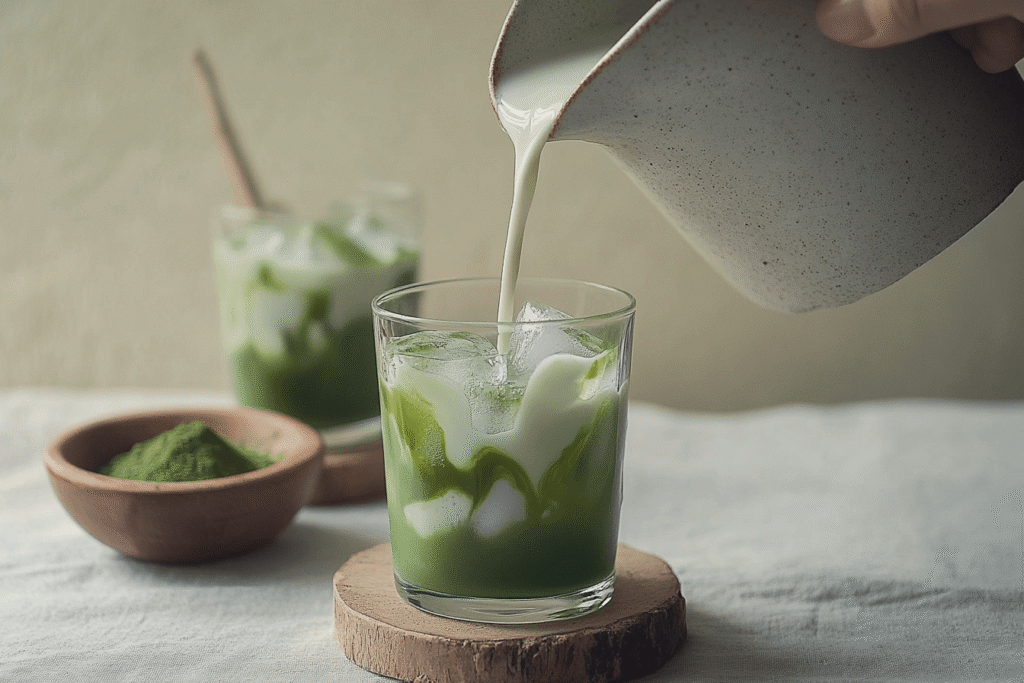
Use a chasen (bamboo whisk) and chawan (tea bowl). Add 1–2 tsp of sifted matcha, pour in hot (not boiling) water at about 80°C (176°F), and whisk briskly in an “M” motion until a fine froth forms.
Can Japanese teas be served cold?
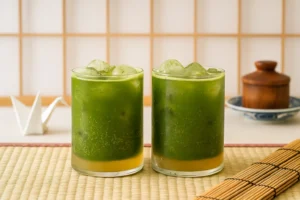
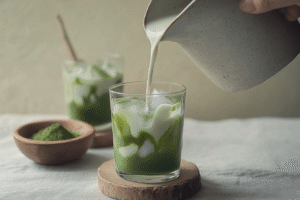
Yes! Cold-brewed matcha, mugicha, and iced hojicha lattes are especially refreshing in summer. Cold brewing brings out a smooth, mellow flavor with less bitterness.
What sweet drinks are popular in Japan?
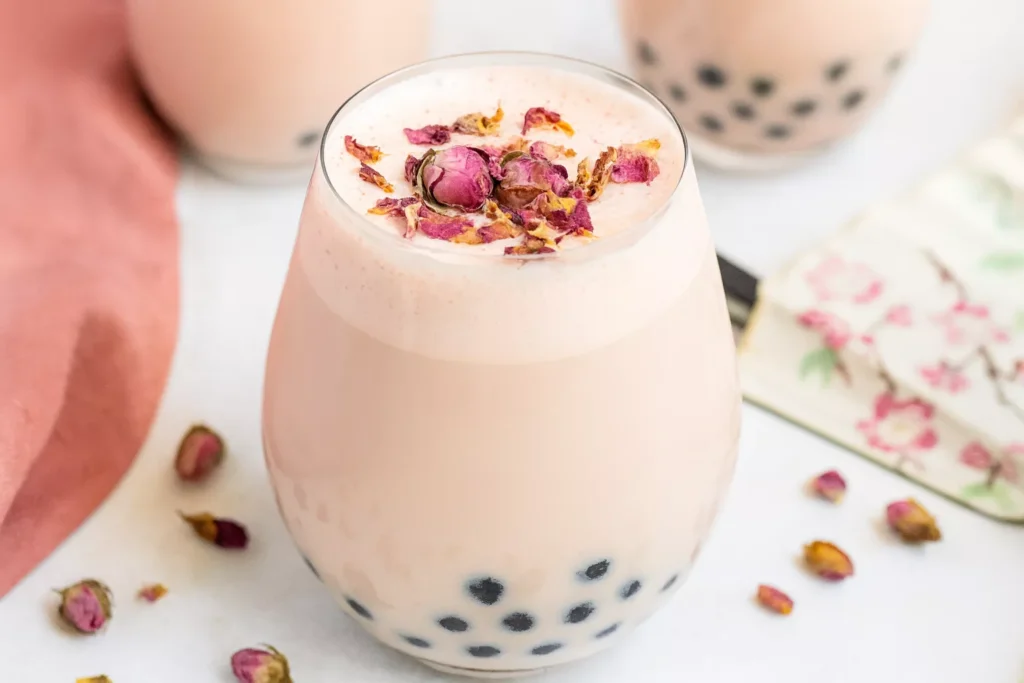
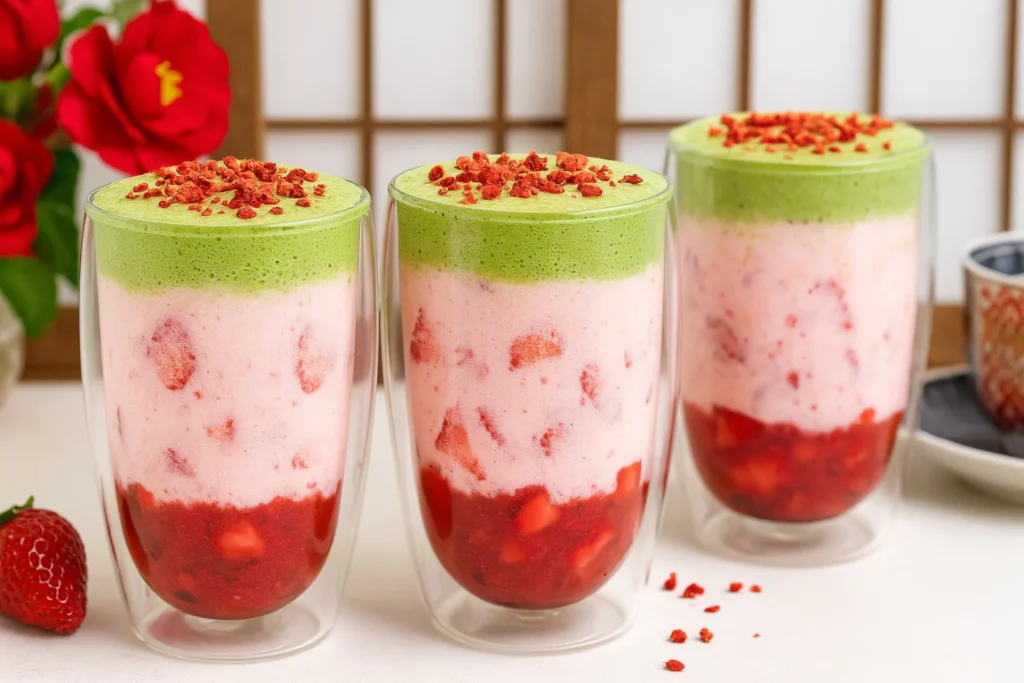
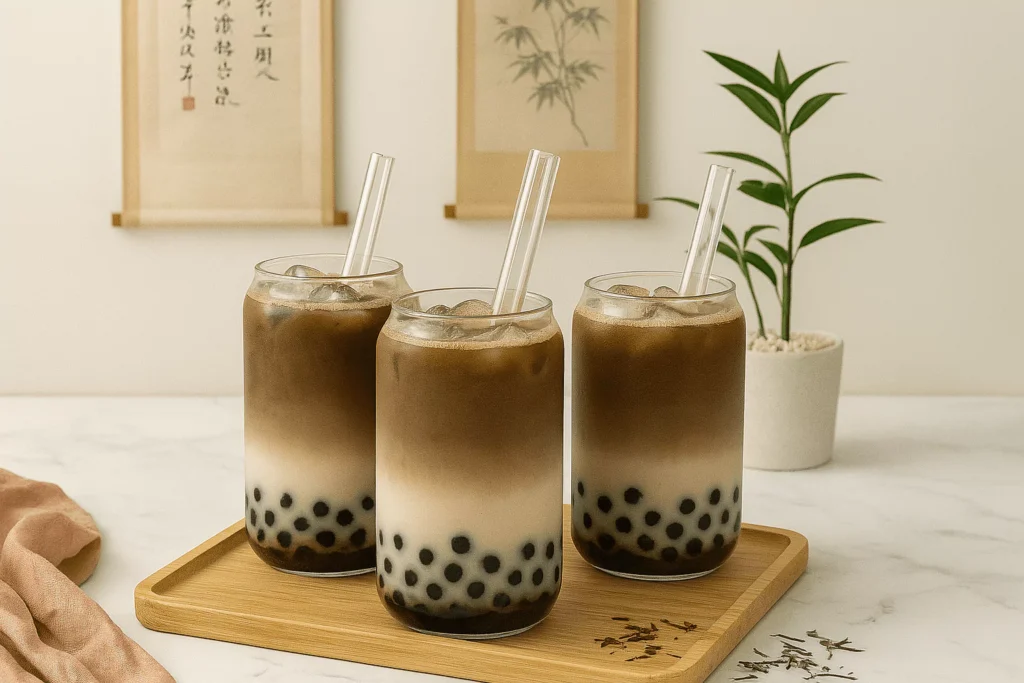
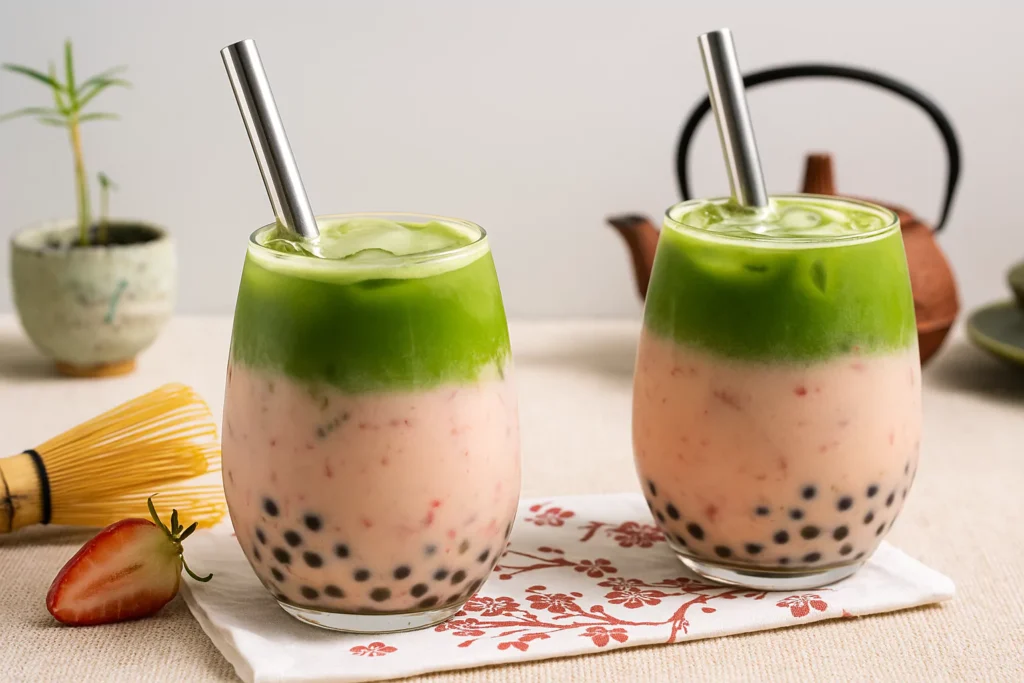
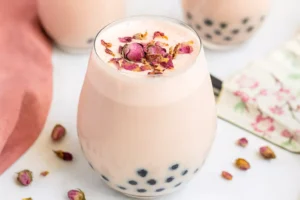
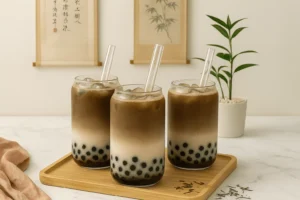
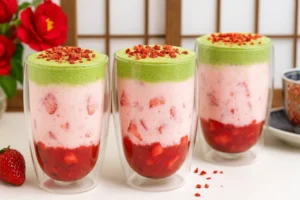
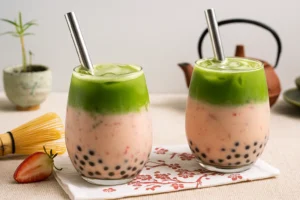
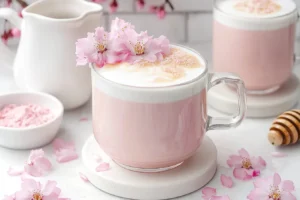
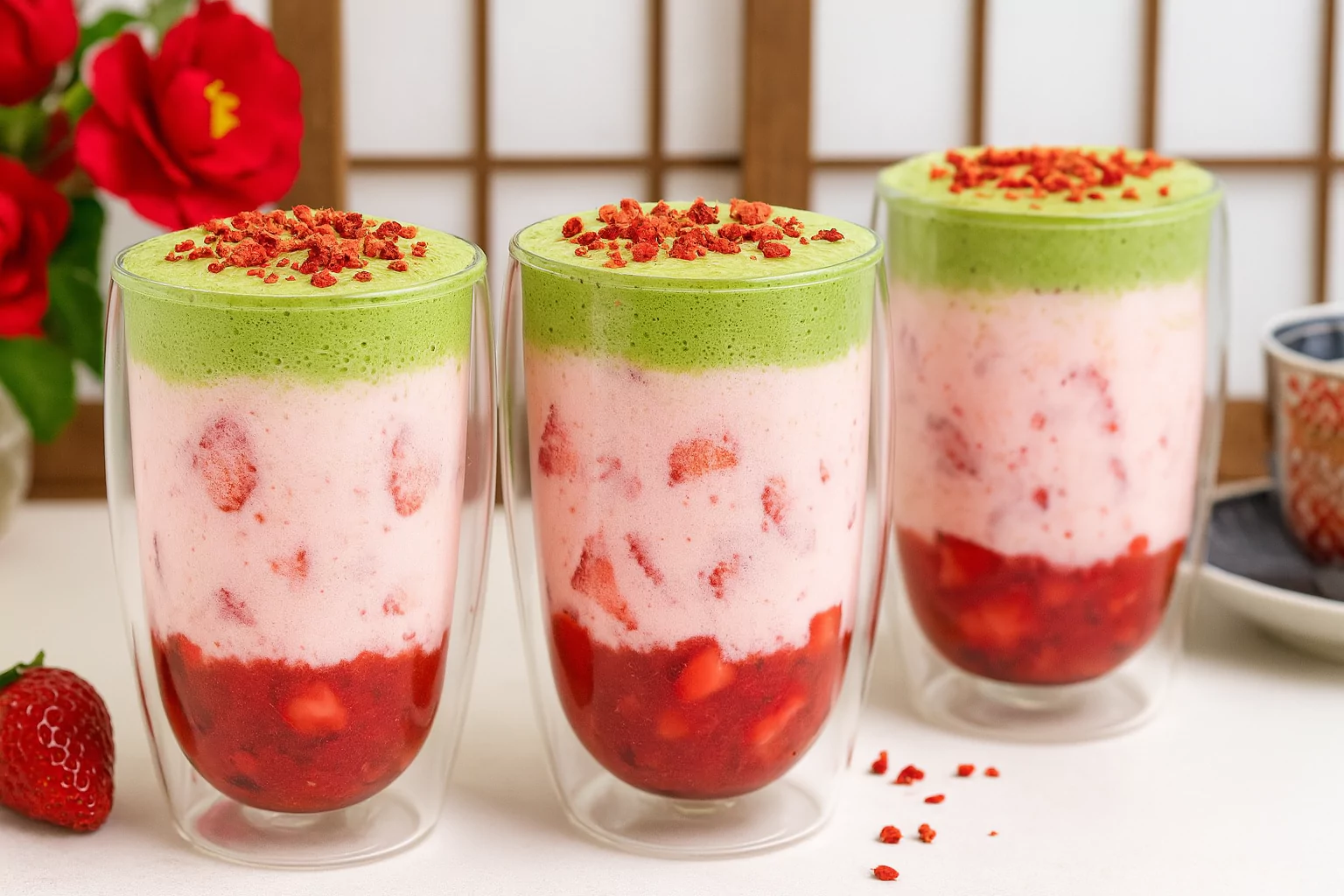
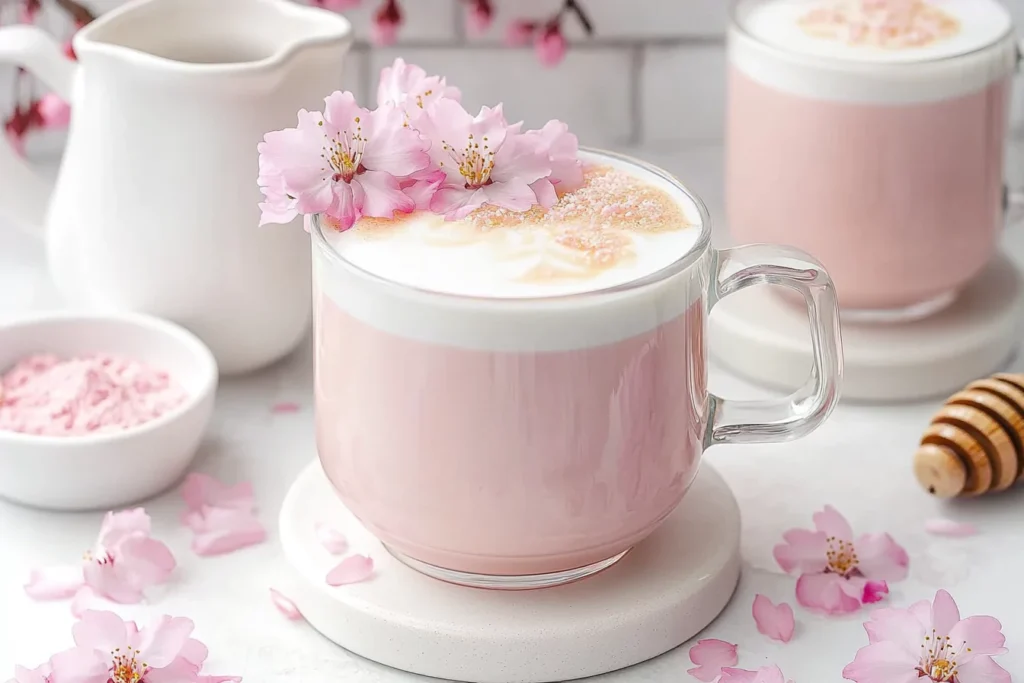
Strawberry matcha lattes, rose milk tea, sakura lattes, and bubble teas have become very popular. They combine traditional ingredients with modern café style and beautiful presentation.
Are Japanese beverages usually caffeinated?
Green teas like matcha and sencha contain caffeine, while mugicha (barley tea) and roasted rice teas are naturally caffeine-free. For late-night drinks, try hojicha or herbal infusions.
What ingredients should I keep for making Japanese drinks?
Stock up on matcha powder, roasted tea leaves (hojicha), sweetened condensed milk, yuzu syrup, and honey. These basics help you prepare both traditional and fusion-style beverages.
Can I make Japanese drinks without special tools?
Absolutely! Use a small whisk, milk frother, or even a jar with a tight lid to shake matcha or milk teas. While traditional tools like the chasen are ideal, they’re not mandatory for a good drink.
What are some healthy Japanese drink options?
Go for unsweetened green teas, hojicha, genmaicha, or kombu tea (seaweed tea). These are low in calories, rich in antioxidants, and promote good digestion.
How can I store and keep tea fresh?
Keep tea in an airtight container, away from light, moisture, and strong odors. For matcha, store it in the fridge after opening and use within a few weeks for best flavor.