What pantry staples do I need for Japanese main dishes?
Keep soy sauce, mirin, sake, miso, dashi (powder or packets), rice vinegar, sugar, and potato/corn starch. For oil, use neutral oil (canola) and a little sesame oil for finishing.
Don’t have sake or mirin — what can I use instead?
For mirin: 1 Tbsp mirin = 1 Tbsp white wine/rice vinegar + ½ tsp sugar.
For sake: dry white wine or water + a pinch of sugar works in most sauces and stews.
How do I make quick dashi for soups and donburi?
Use hon-dashi granules (½–1 tsp per cup hot water). Or steep a piece of kombu and a few shiitake in hot water for 10–15 minutes for a plant-based broth.
What rice is best for Japanese mains?
Use short-grain Japanese rice (uruchimai). Rinse until water is mostly clear, soak 20–30 minutes, then cook. For donburi and curry rice, slightly firmer rice holds up best.
How do I keep chicken katsu crispy (not soggy)?
Pat the cutlet dry, flour → egg → panko, fry at 170–175°C (340–350°F), and cool on a wire rack (not paper towel). Sauce on the side until serving.
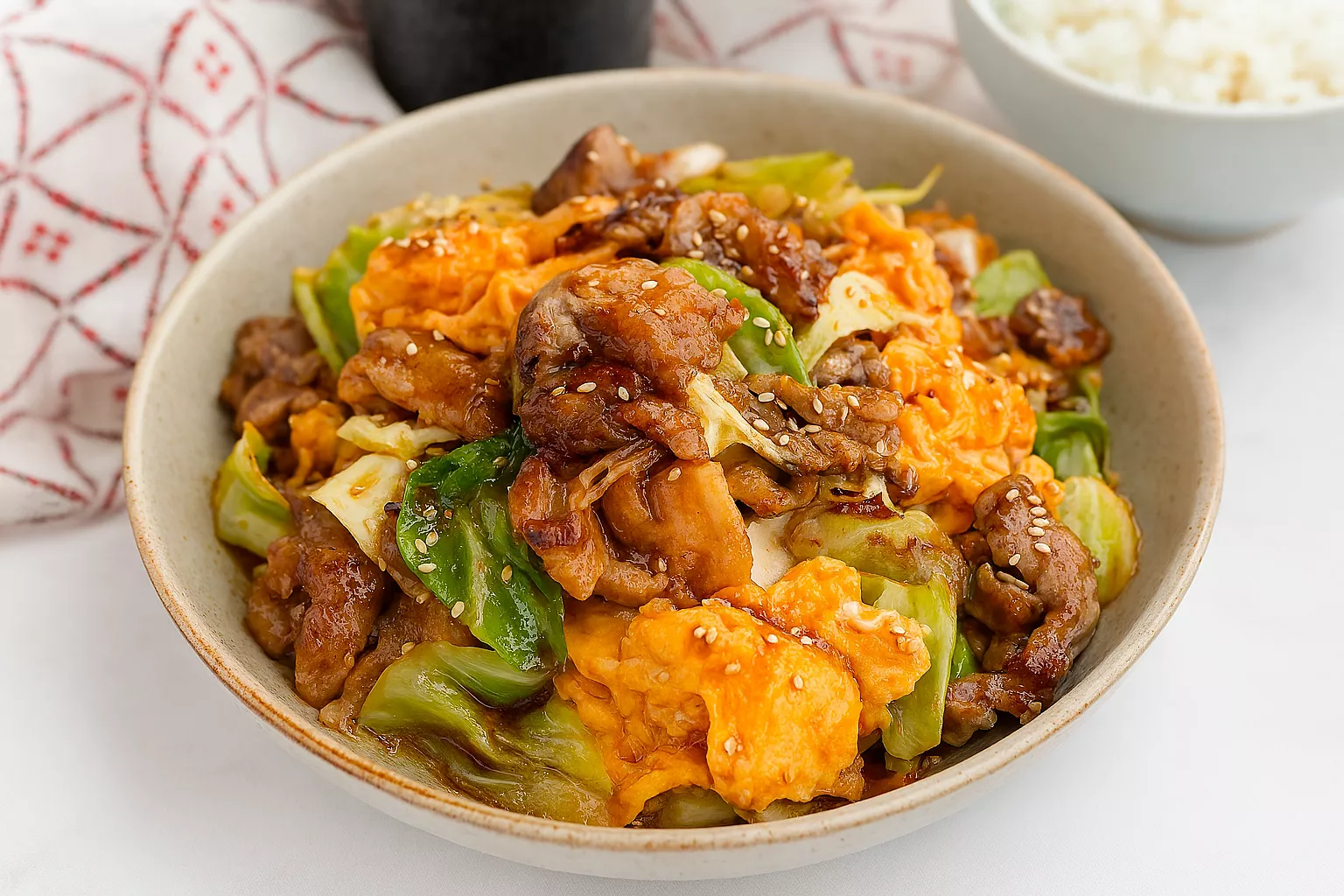
Tips for better stir-fries like itame?
Pre-slice everything, heat the pan until shimmering, cook protein in small batches, don’t crowd the pan, and sauce at the end. Finish with a few drops of sesame oil.
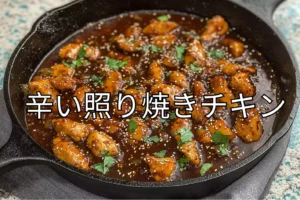
How can I thicken teriyaki or curry sauce?
Use a slurry (1 tsp potato/corn starch + 1 Tbsp water, whisked) and simmer 30–60 seconds. For curry, roux blocks already thicken—add splash of water if too thick.
Easy protein swaps for popular mains?
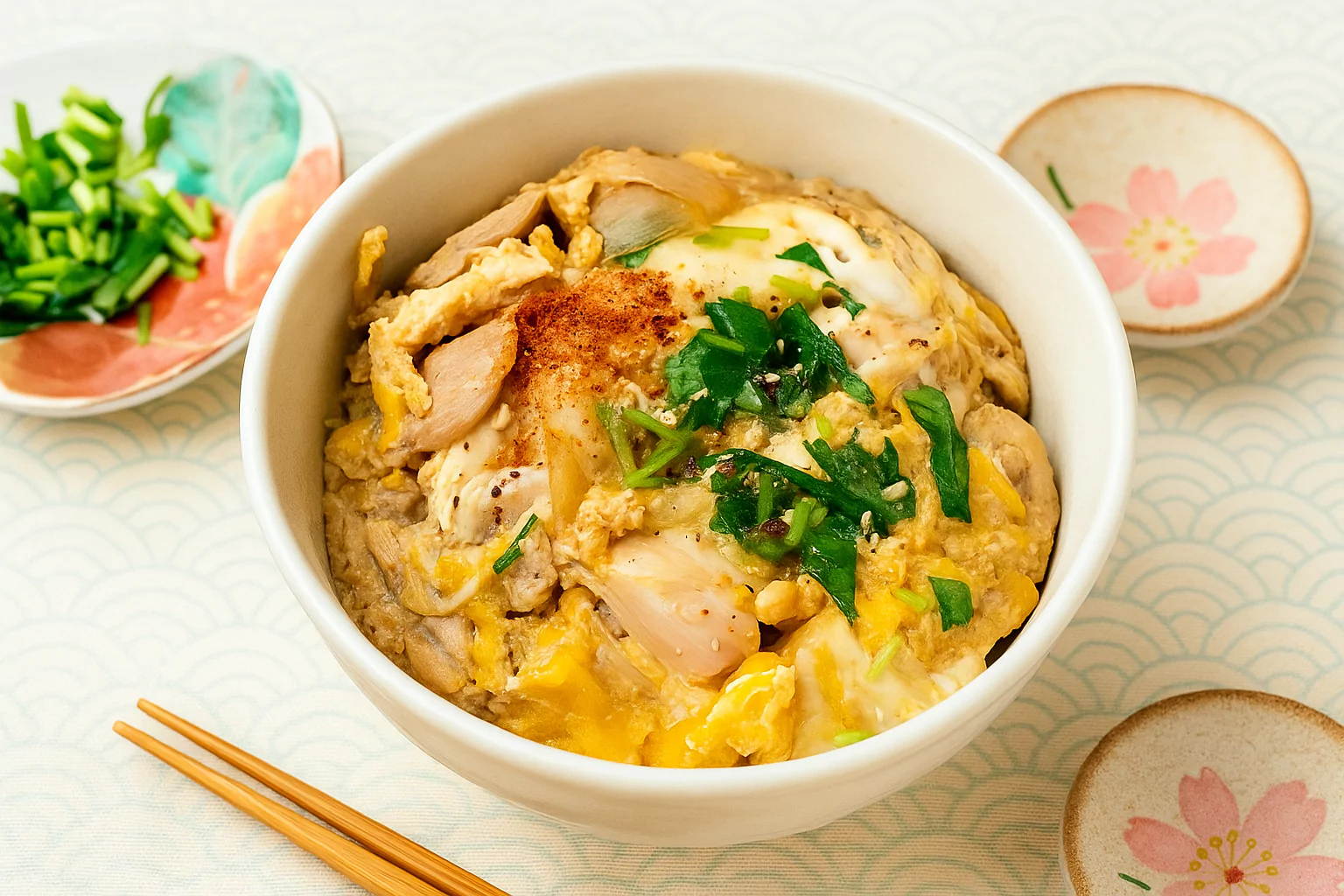
Oyakodon → sliced pork or tofu;
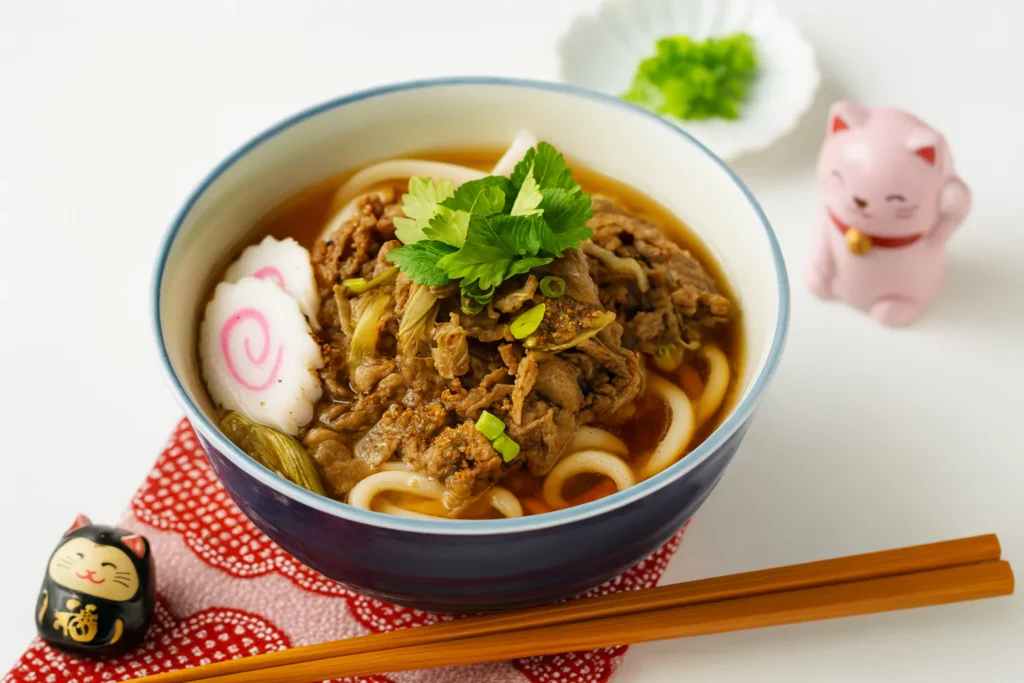
Niku Udon → chicken or mushrooms;
Katsu → pork, chicken, firm tofu, or eggplant;
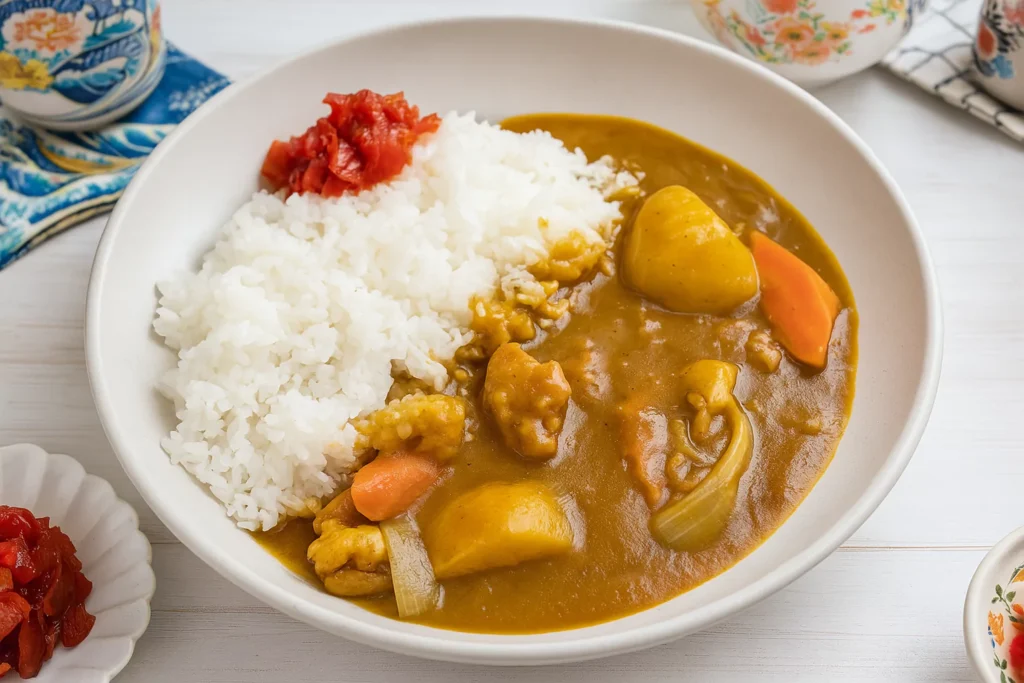
Curry → any protein or mixed veggies.
Vegetarian or gluten-free options?
Use kombu/shiitake dashi, tofu/tempeh, and vegetables. For GF, choose tamari or GF soy sauce, GF curry roux (or make from scratch), and GF breadcrumbs if breading.
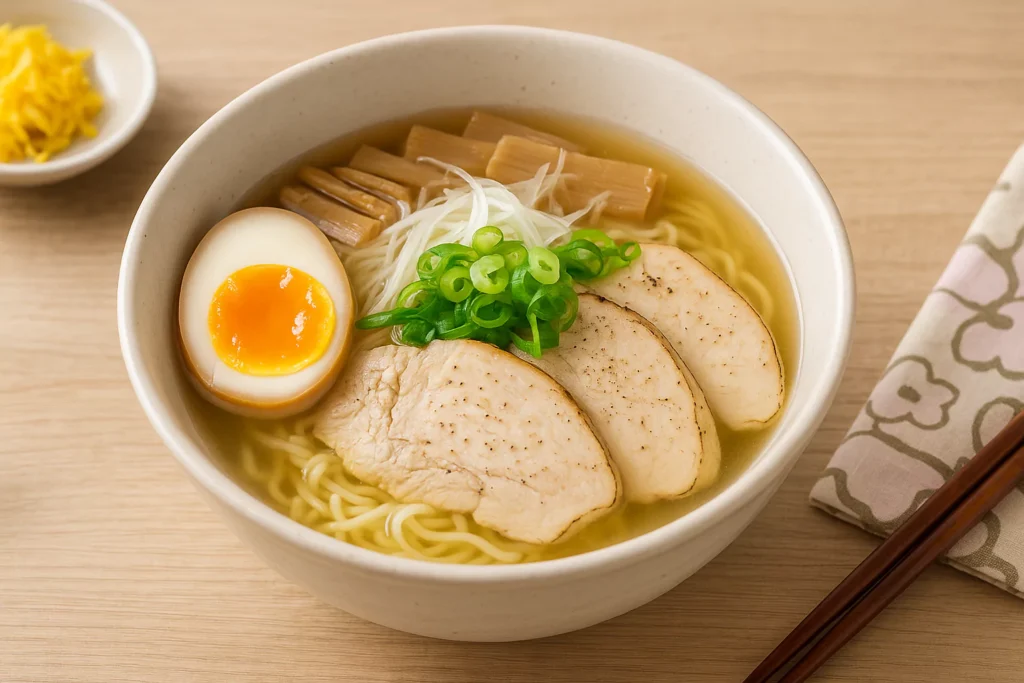
How do I make ramen broth quickly on a weeknight?
Make a tare (soy + mirin + dashi) and combine with good chicken stock or kombu-shiitake broth. Add aromatics (ginger/garlic) and finish with a little sesame oil.
Best way to reheat and store leftovers?
Cool quickly, store airtight up to 3 days. Reheat gently over low heat or microwave with a splash of water. Fried items re-crisp in a 190°C / 375°F oven or air-fryer for a few minutes.
How do I boost umami without adding more salt?
Add kombu, dried shiitake, a small piece of katsuobushi, miso, or a little tomato paste. Finish with a few drops of sesame oil instead of extra soy.