Matcha – The Heart of Japanese Flavor
From soft cakes to creamy lattes—discover our favorite matcha desserts & drinks.
What is Matcha?
Matcha (抹茶) is finely milled Japanese green tea. Tea fields are shaded 20–30 days before harvest to deepen the color and sweetness. After steaming and drying, the leaves are stone-ground into a silky powder—perfect for Japanese recipes like matcha cake, cookies, ice cream, and café-style lattes. Because you drink the whole leaf, matcha delivers more antioxidants and a rich, gentle umami.
Popular Matcha Recipes
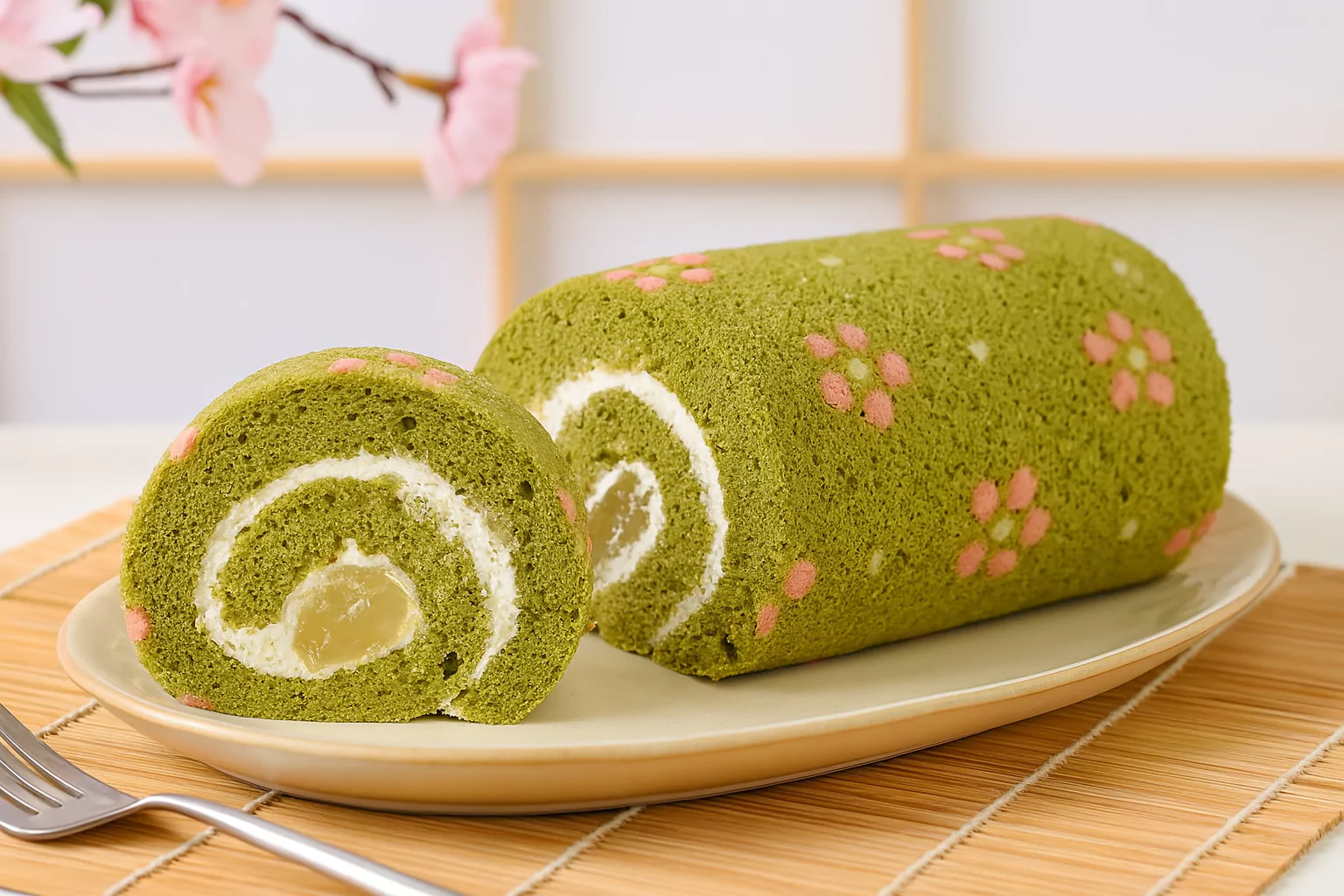
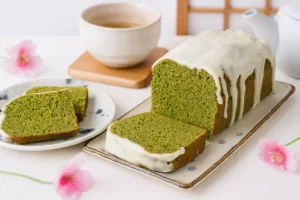
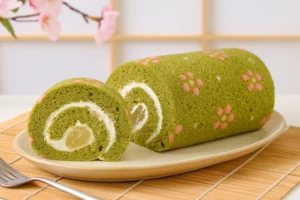
Matcha Roll Cake
★ community favorite
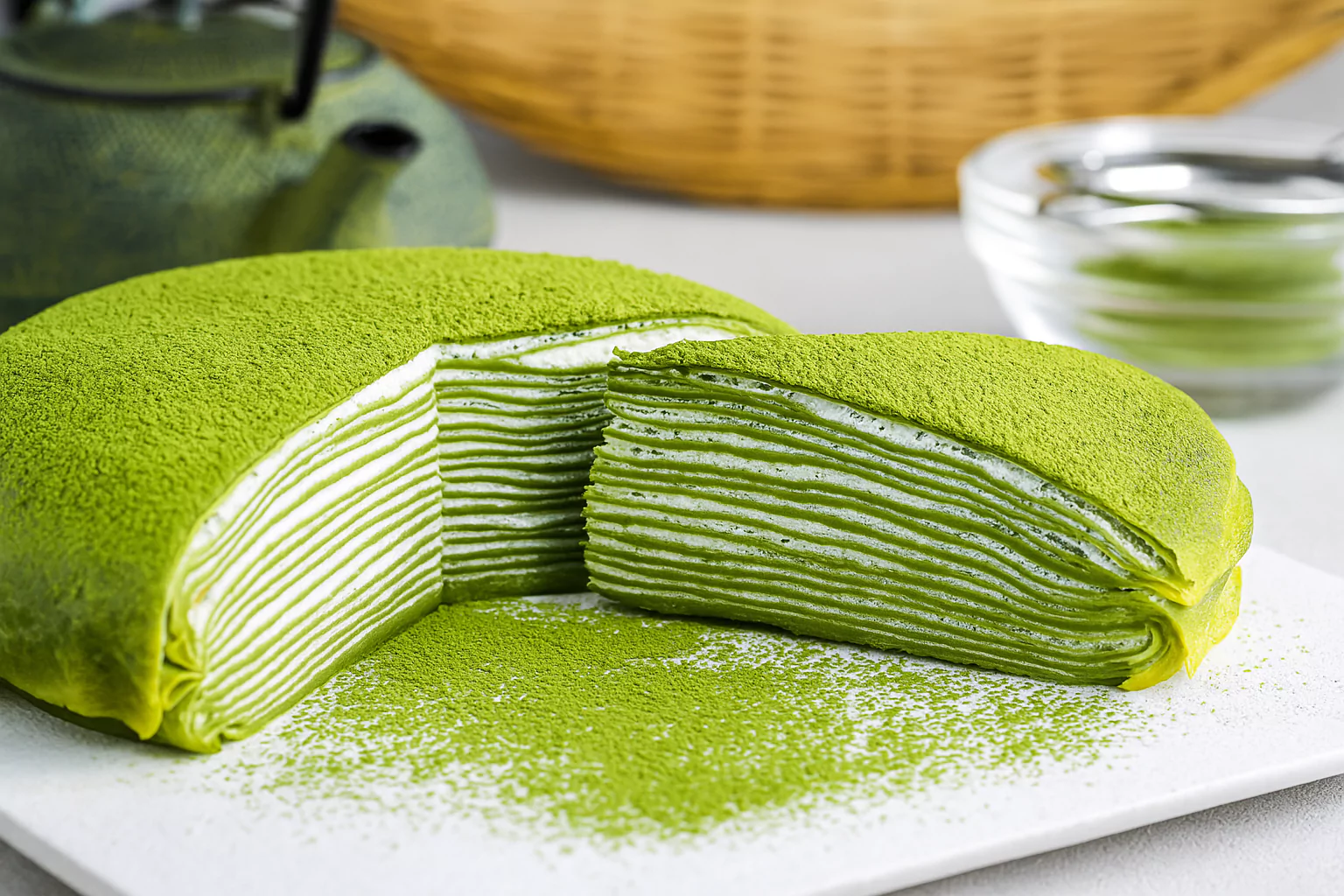
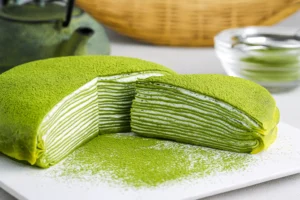
Matcha Mille Crepe Cake
★ buttery layers
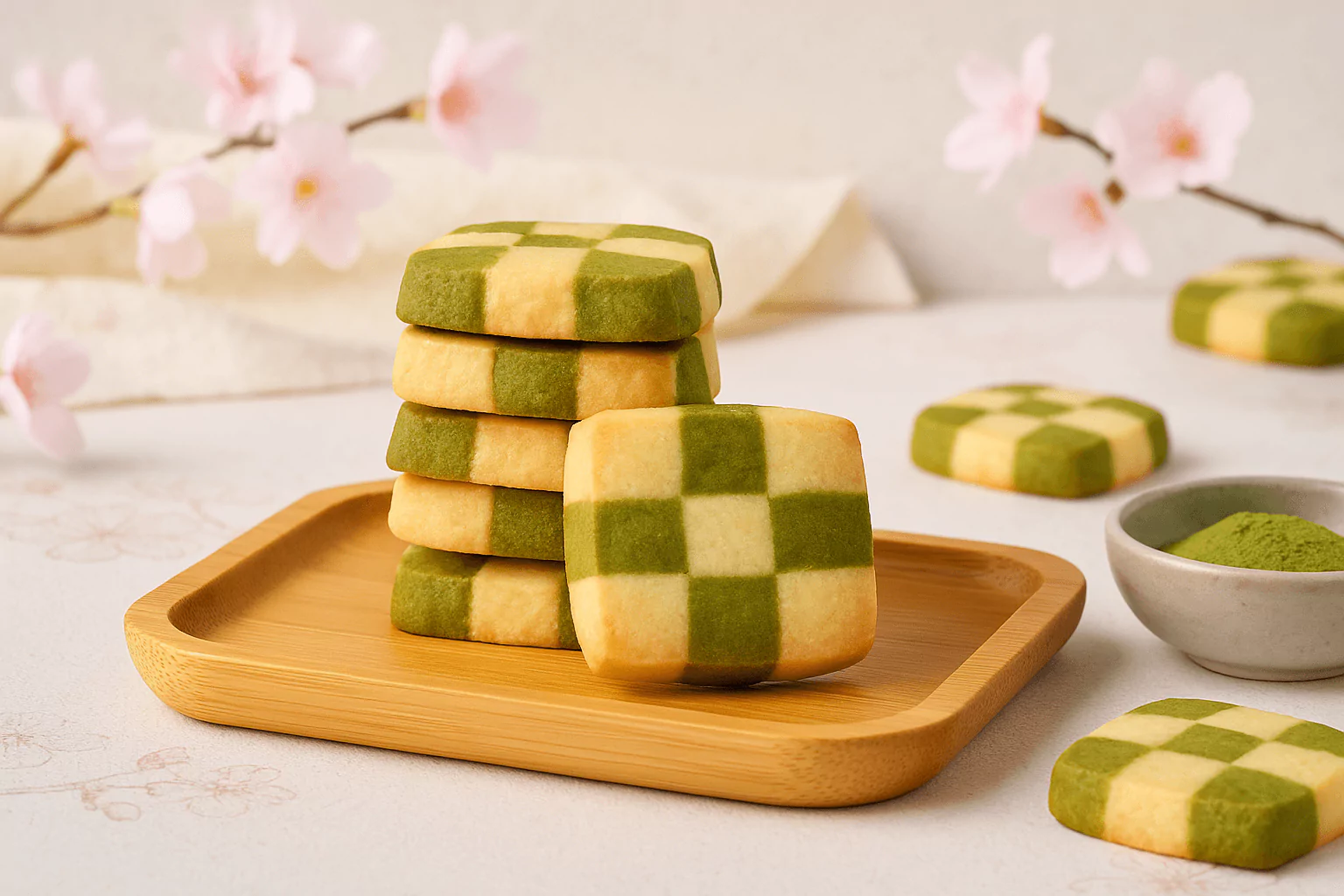
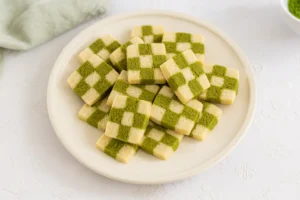
Checkerboard Cookies
★ bake-shop cute
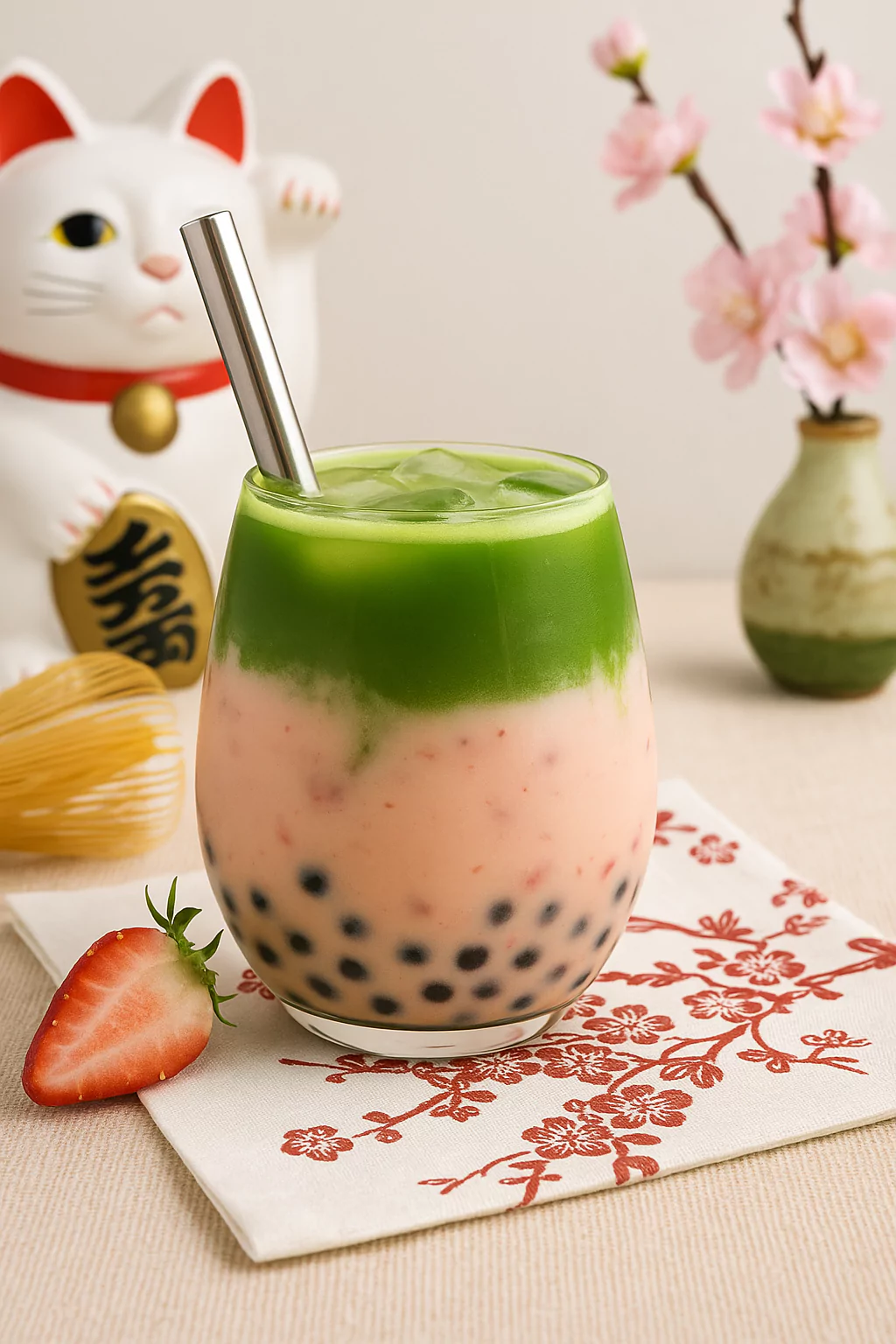
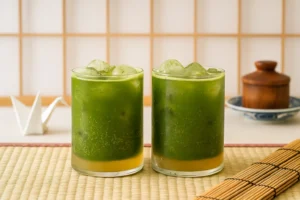
Strawberry Matcha Boba
★ café-style
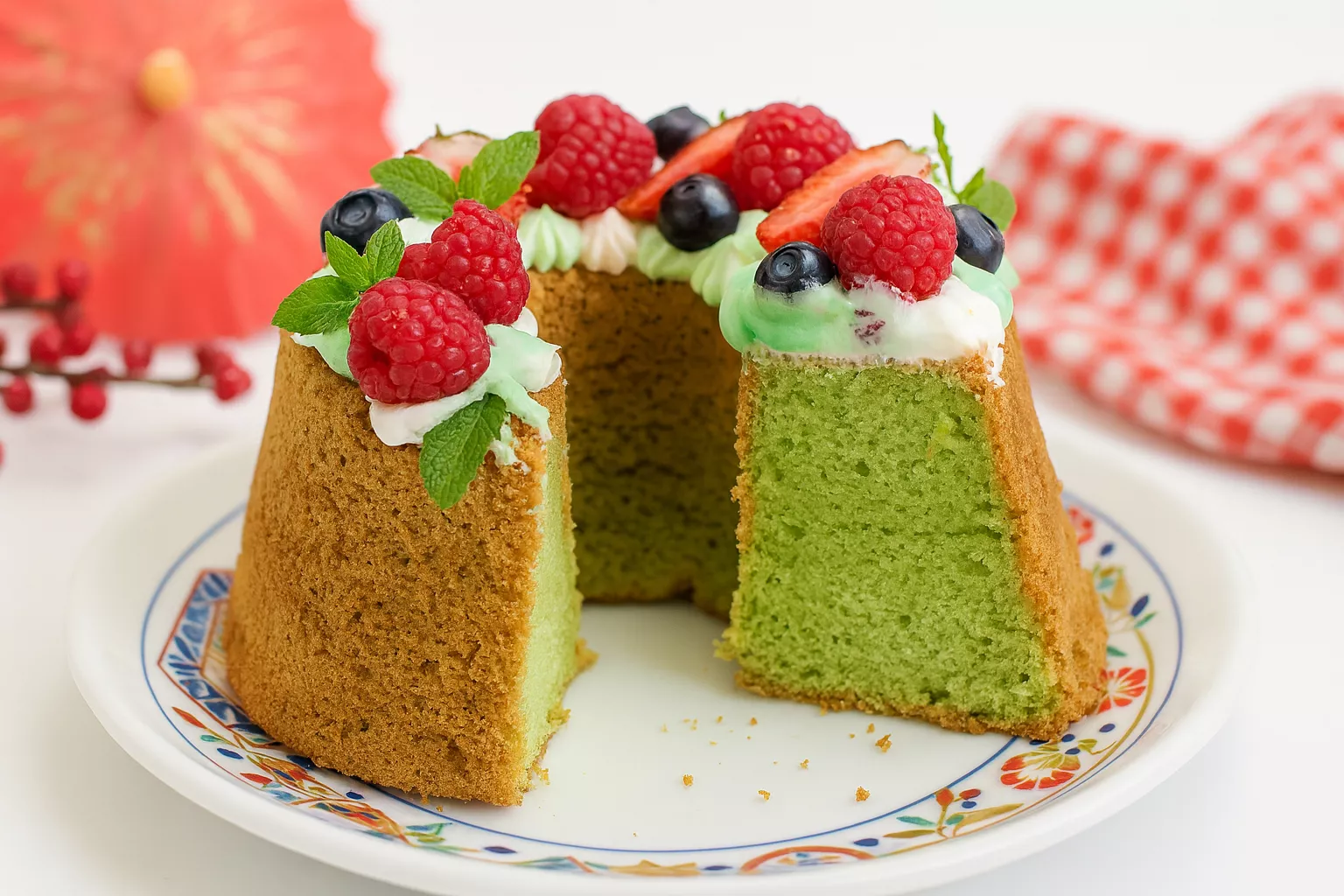
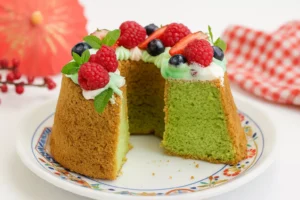
Pandan & Matcha Chiffon
light • airy • soft
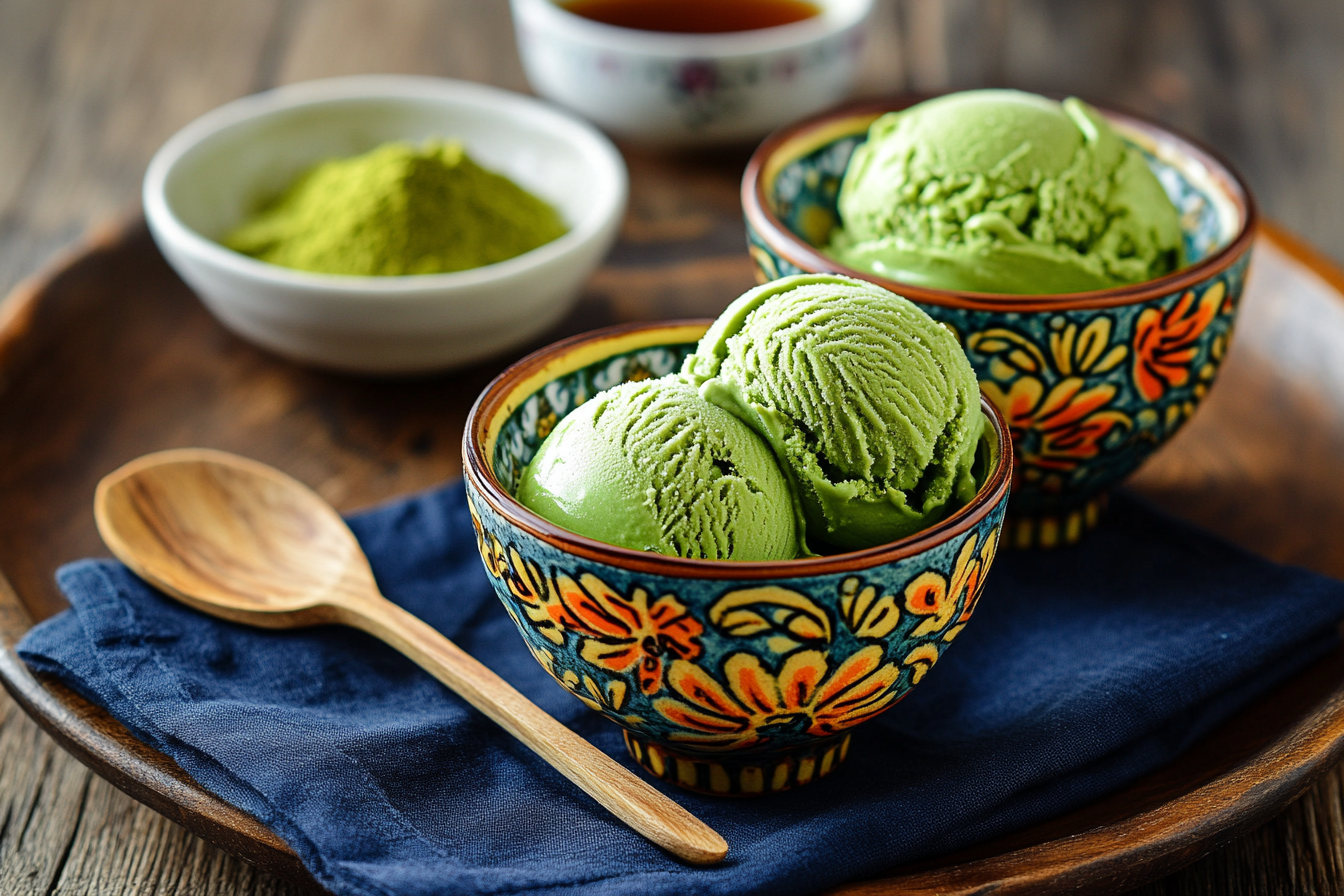
Matcha Ice Cream
ultra creamy
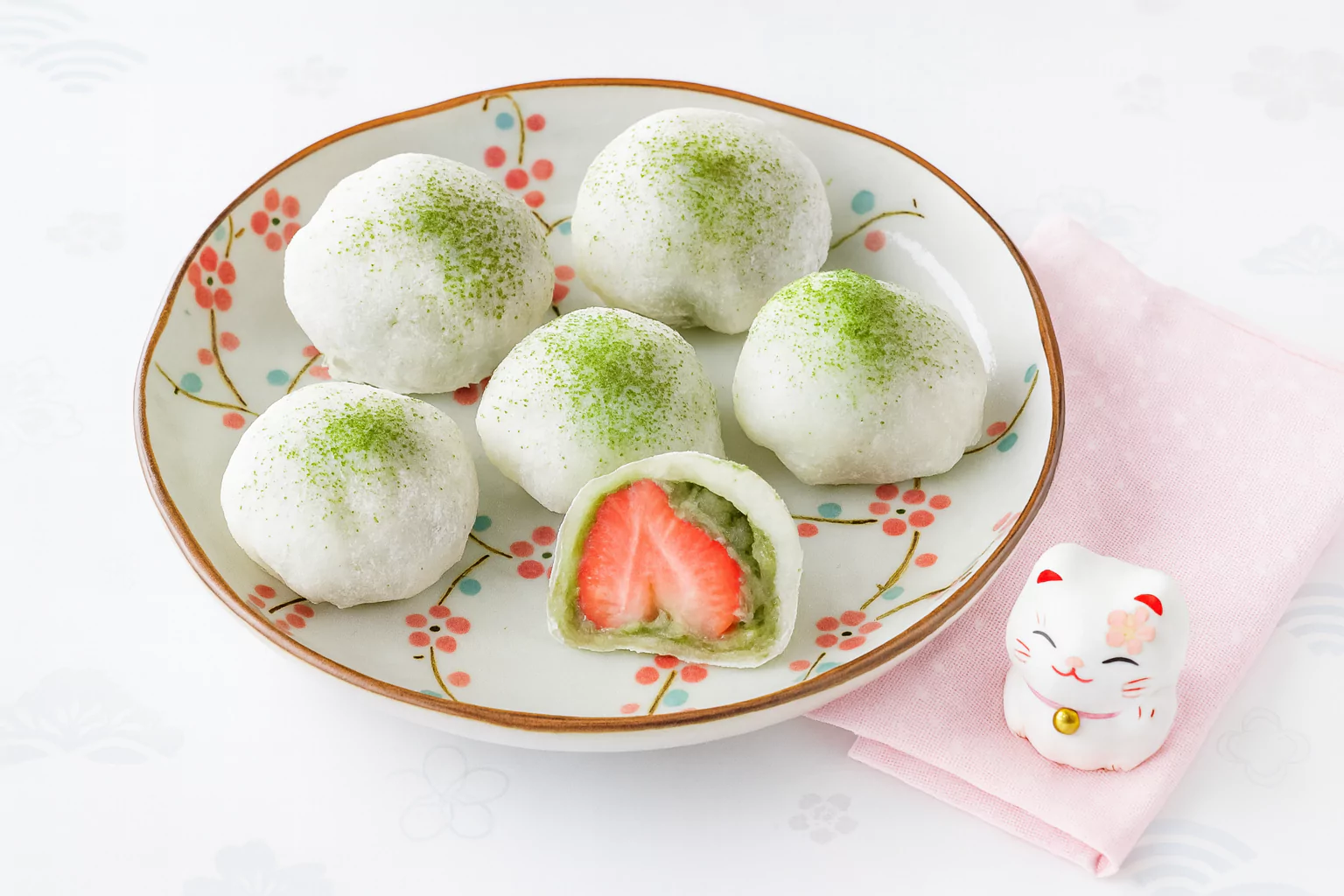
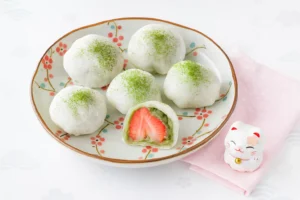
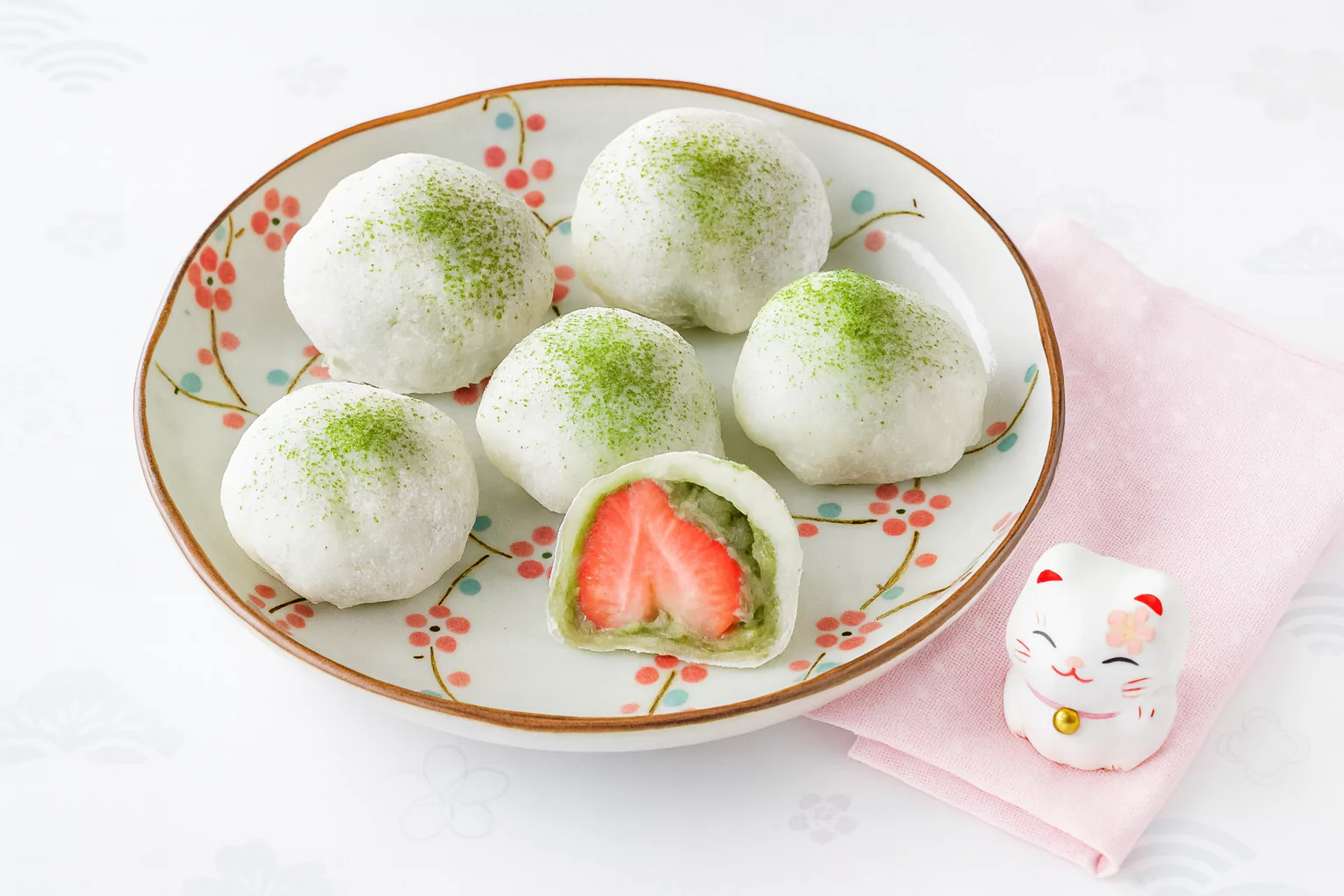
Matcha Daifuku Mochi
chewy & fresh
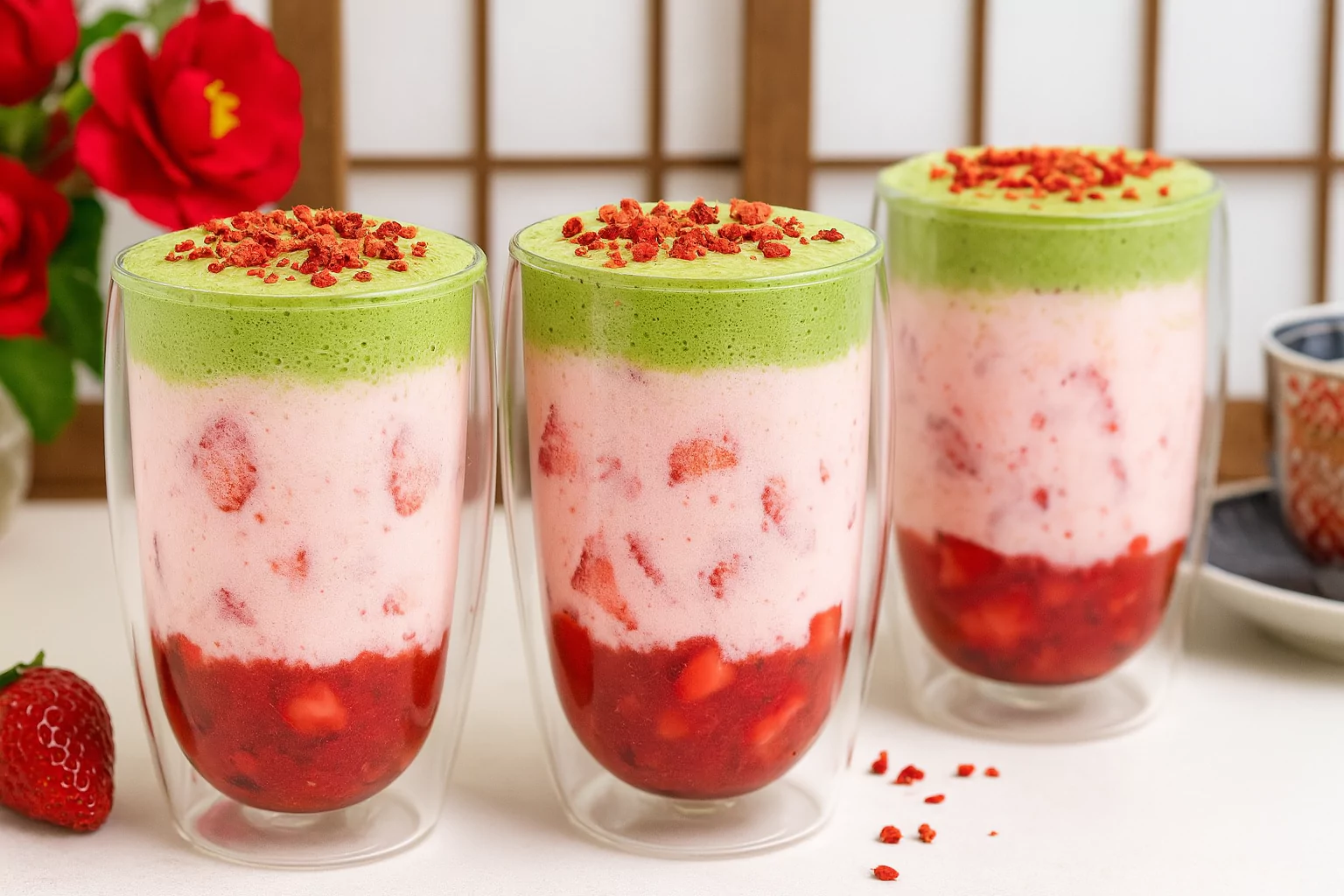
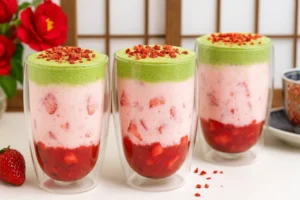
Strawberry Matcha Latte
pretty & pink
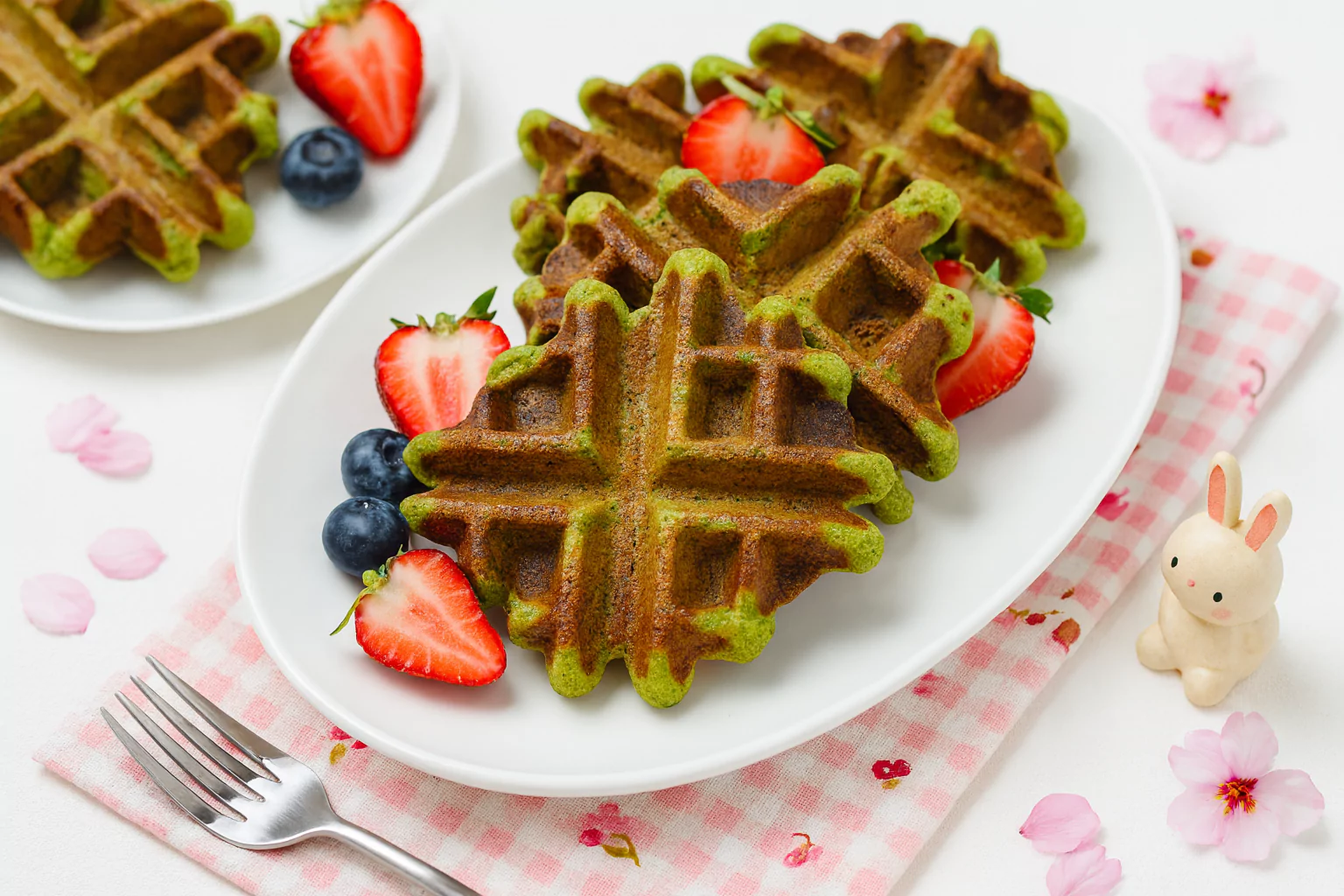
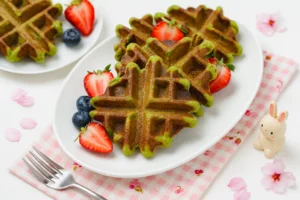
Mochi Waffles
crisp edges
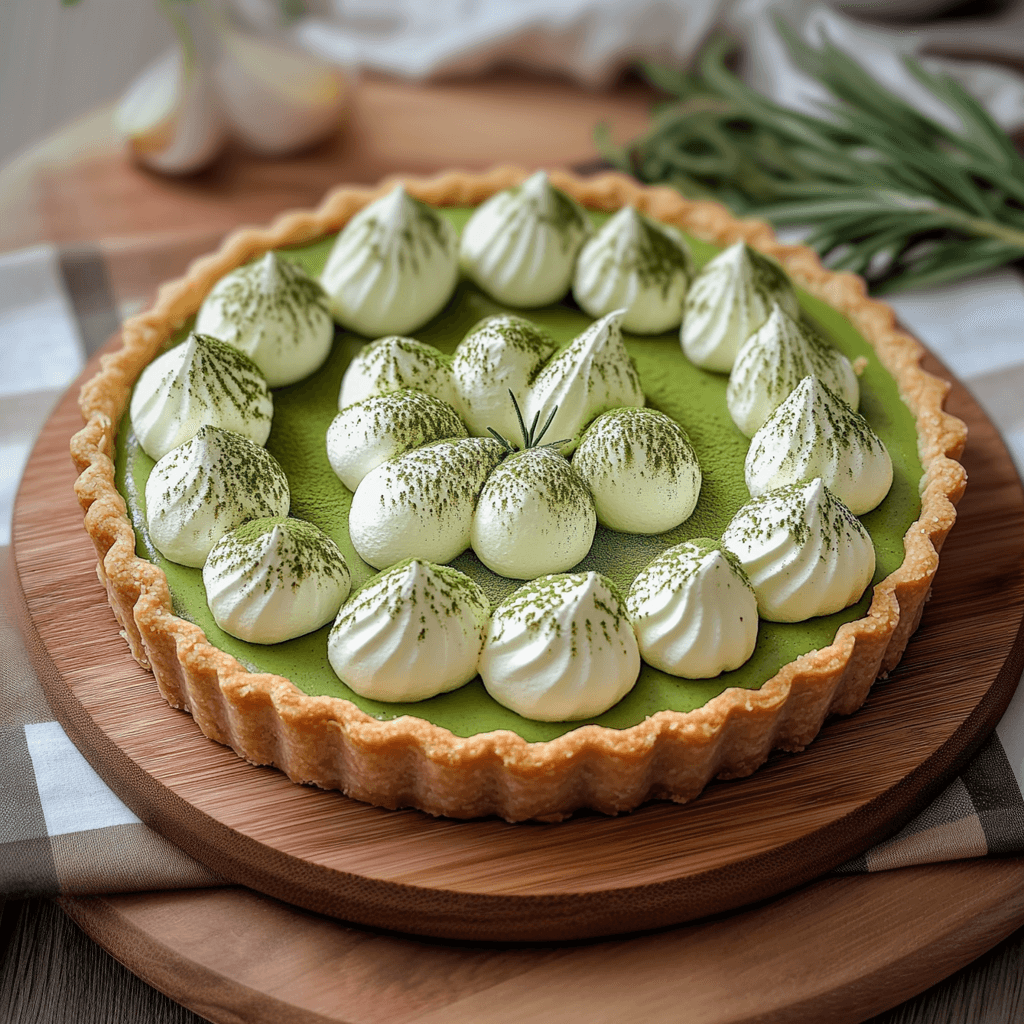
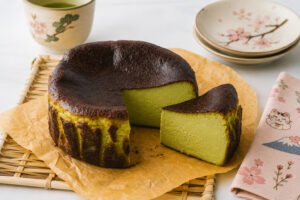
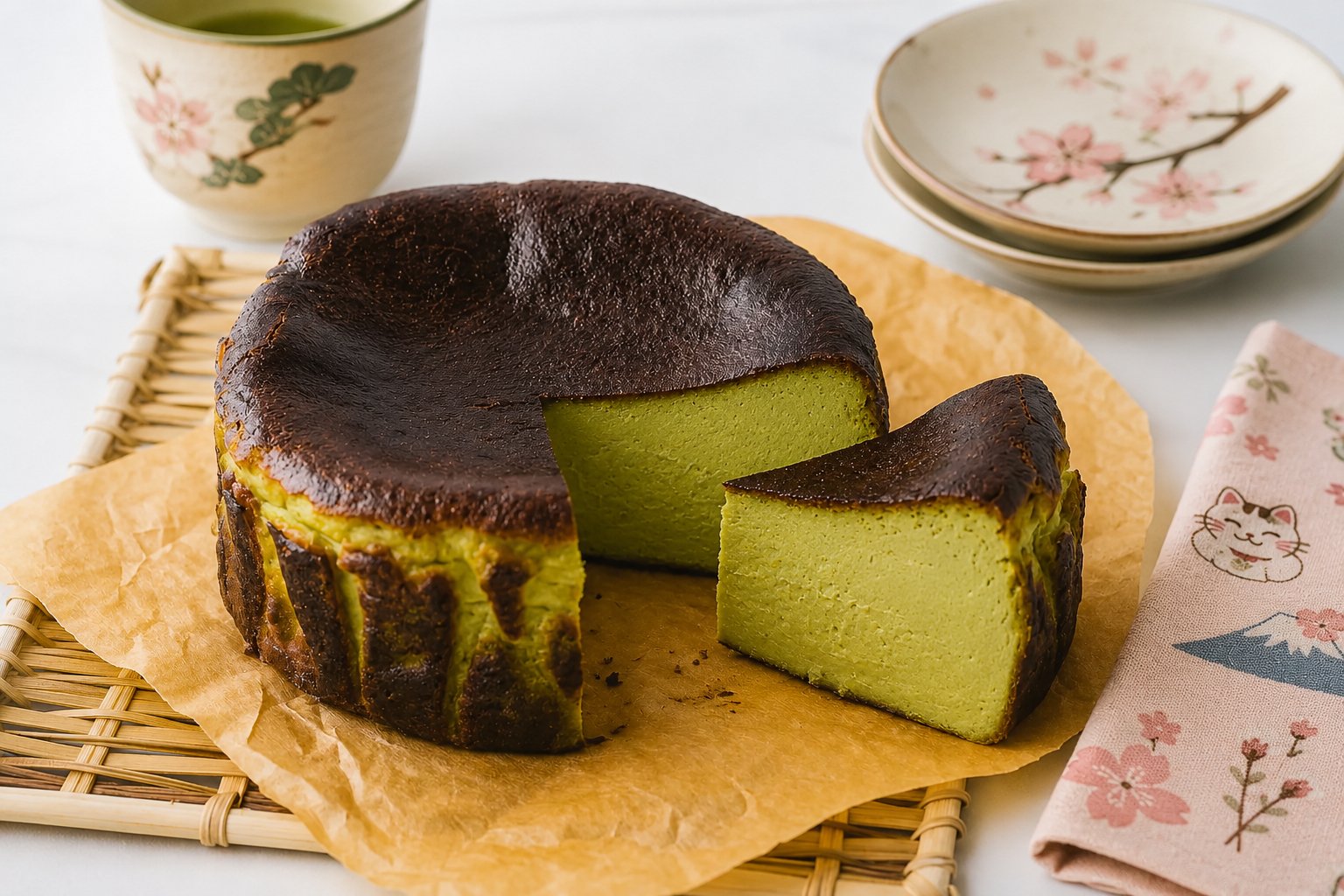
Matcha Cheesecake
silky & rich
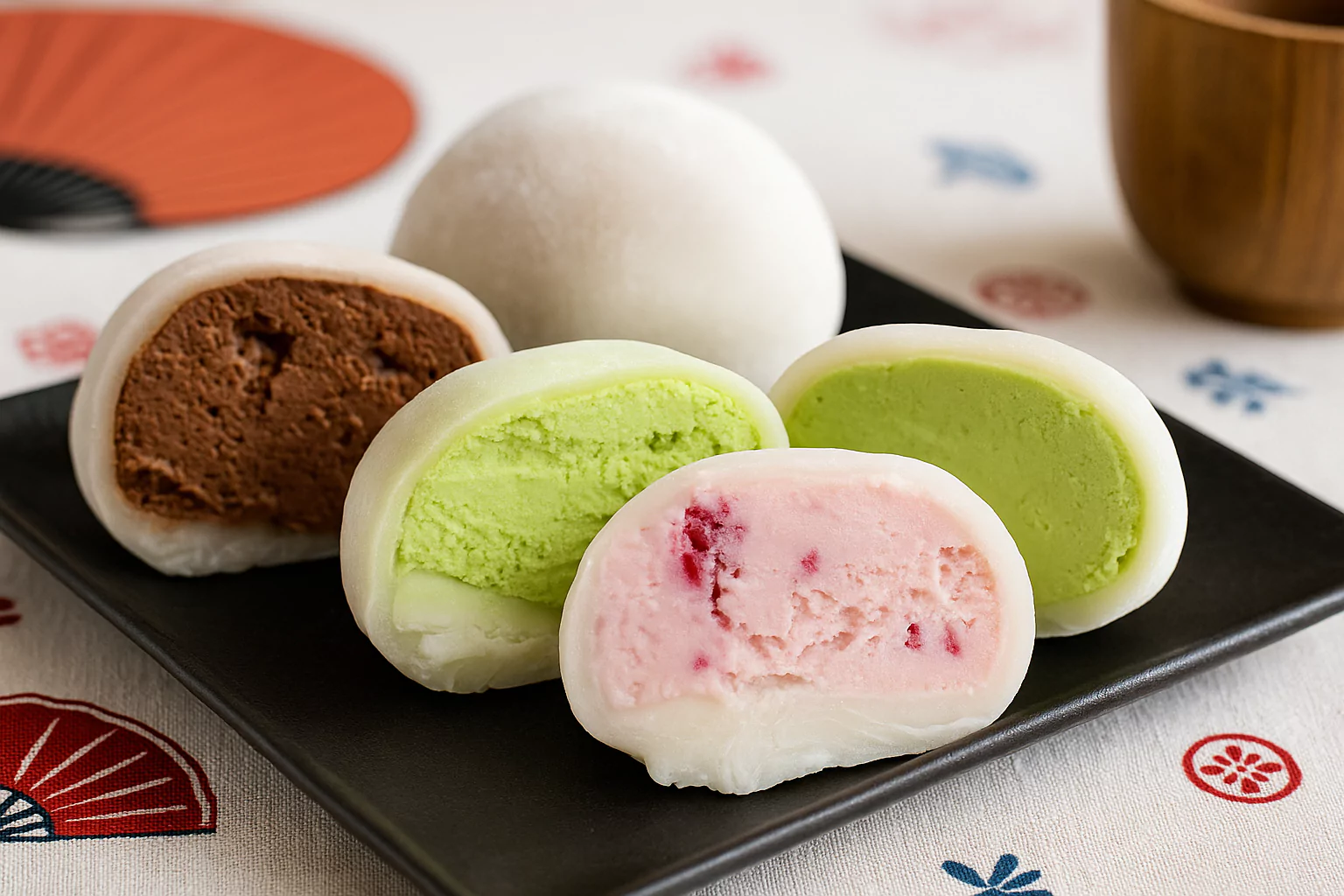
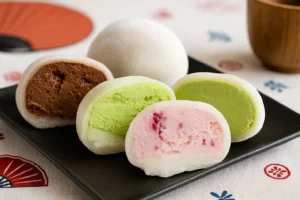
Easy Mochi Ice Cream
freezer-friendly
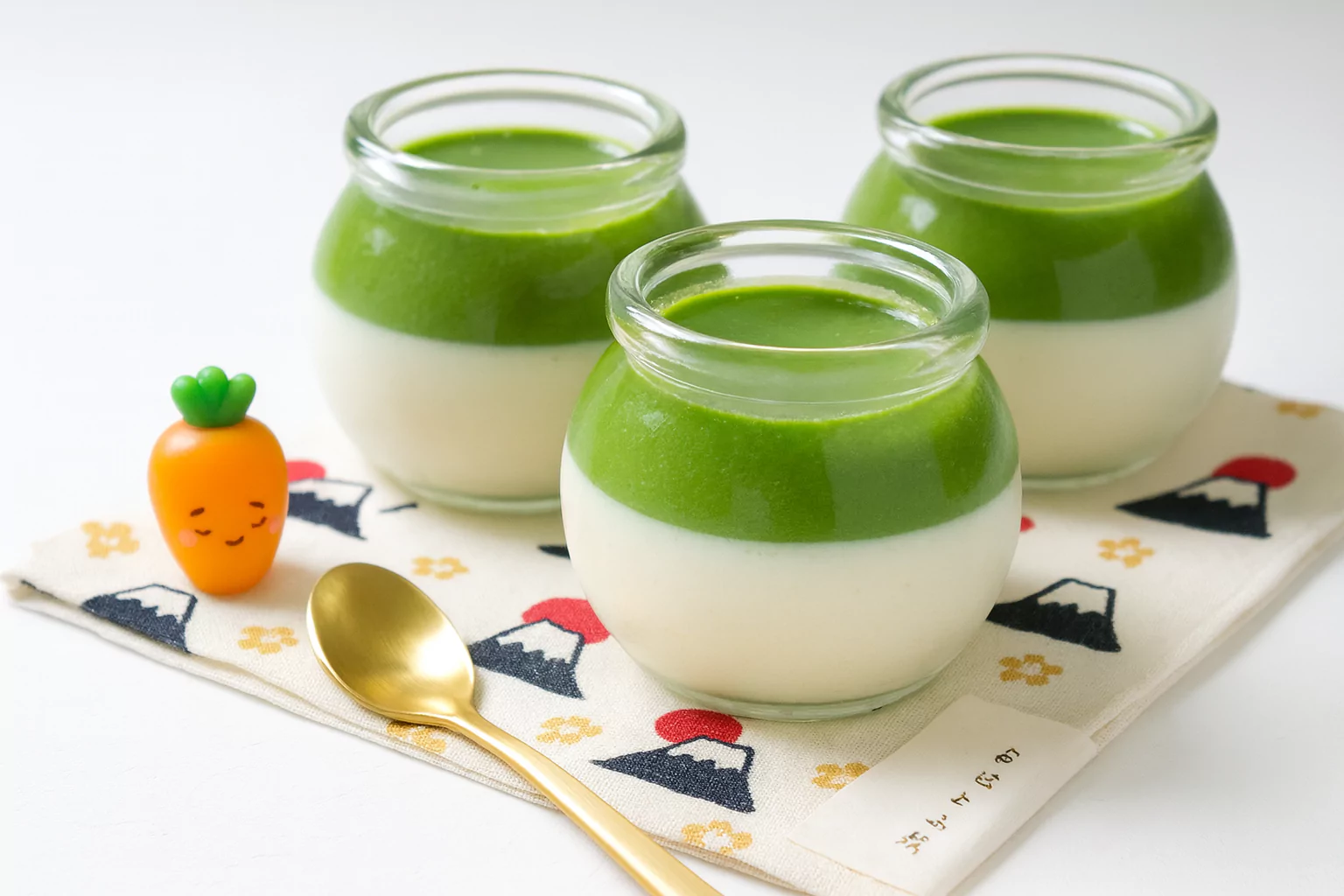
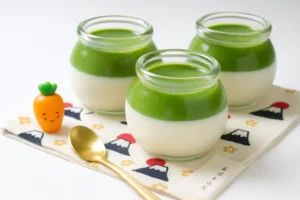
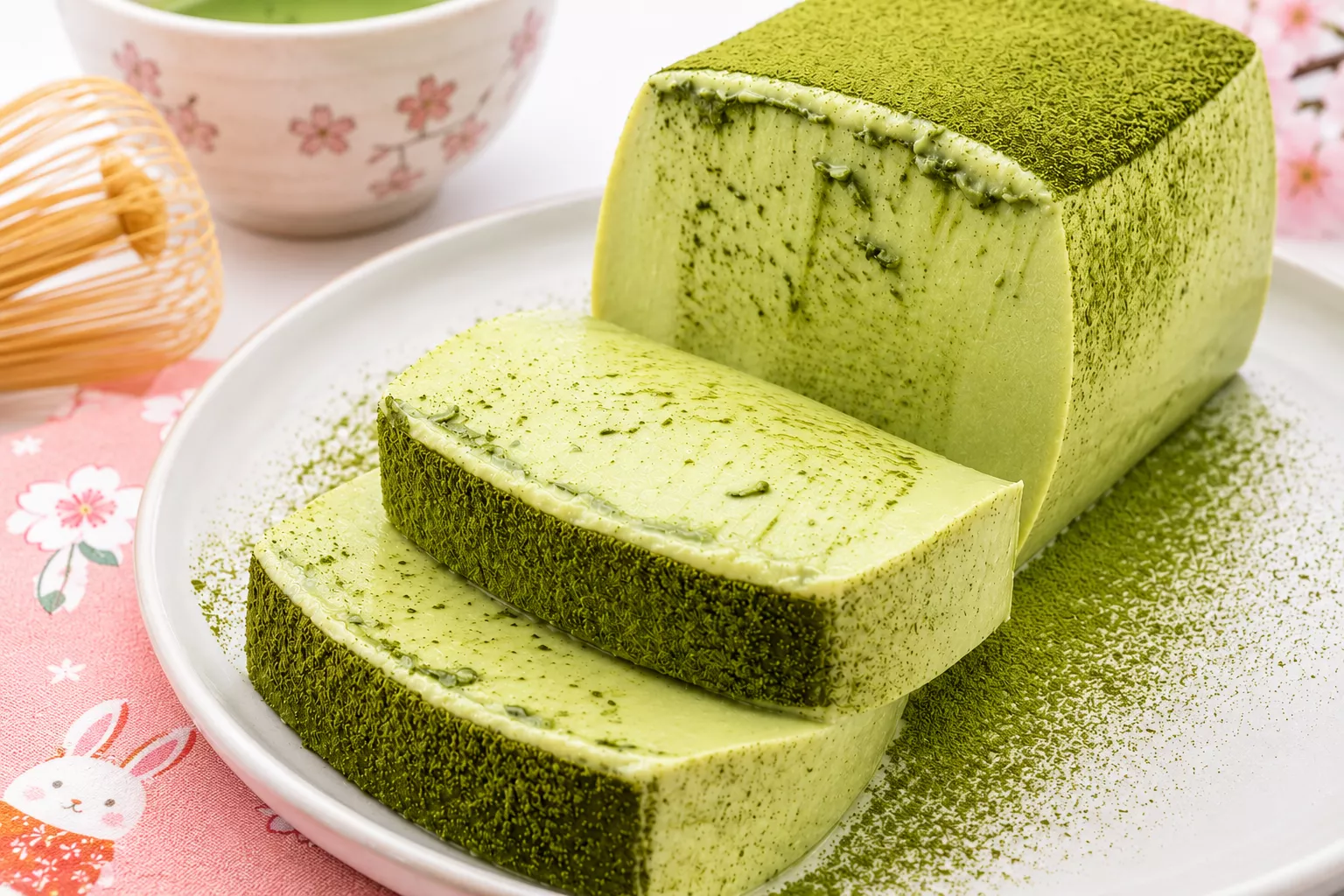
Two-Layer Matcha Pudding
jiggly delight



Matcha FAQ
Is matcha caffeinated?
Yes — about 60–80 mg per serving. Thanks to L-theanine, the energy from matcha feels smooth and focused rather than jittery.
Why can matcha taste bitter?
Bitterness often comes from water that’s too hot, old powder, or low-grade matcha. Use 70–80°C water and fresh, vibrant green tea powder for the best flavor.
What grade of matcha should I use for baking?
Culinary grade matcha is perfect for baking and desserts. Use premium or ceremonial grade for lattes or whisked tea — it’s smoother and brighter in color.
How do I keep the green color bright?
Always use fresh matcha, sift it with your dry ingredients, avoid over-baking, and store desserts away from sunlight to maintain their bright green hue.
Does matcha go bad?
Yes, after opening, matcha slowly loses flavor and color. Keep it sealed, cool, and away from light — ideally use within 1–3 months.
Is matcha healthier than coffee?
Matcha contains less caffeine than coffee but more antioxidants. It provides calm, long-lasting energy without a crash, making it a popular alternative to coffee.