CONTACT Style About

Pastry & Dessert

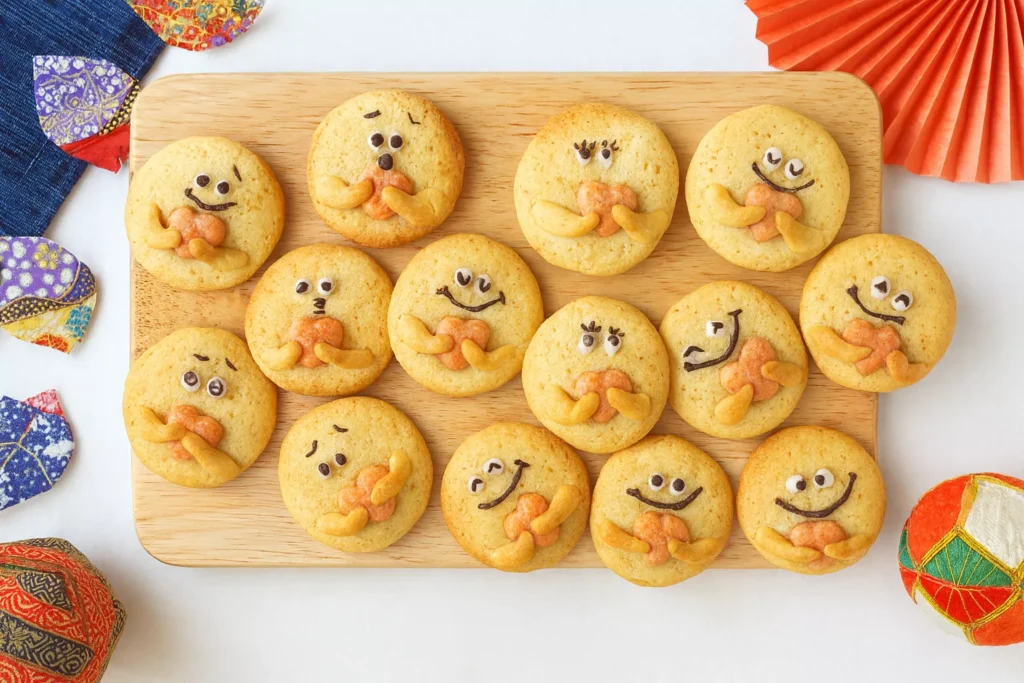
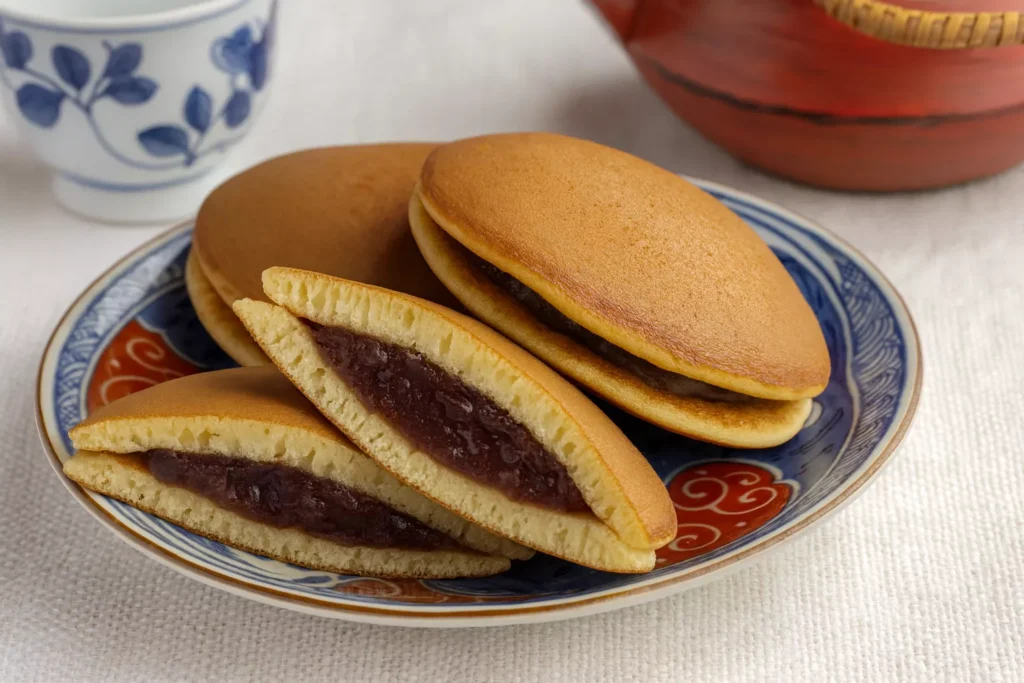
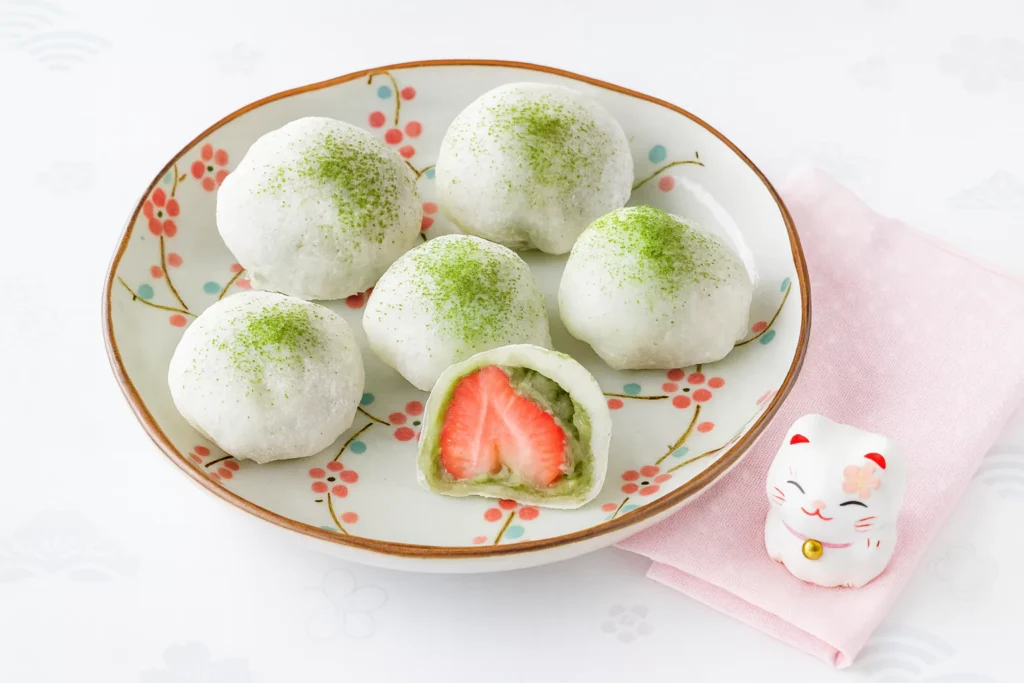
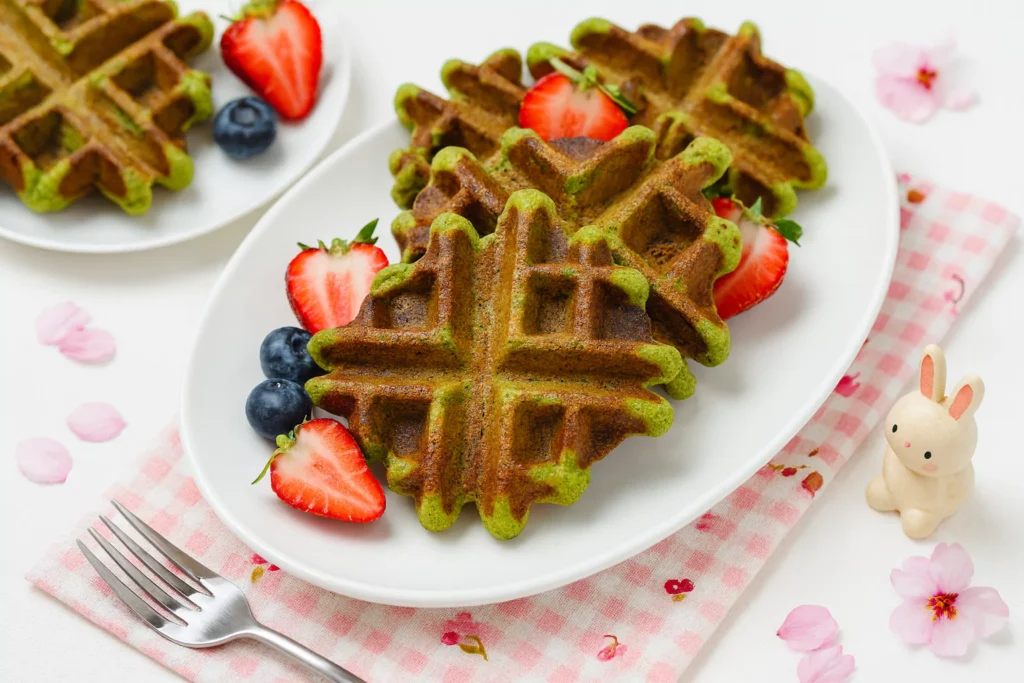
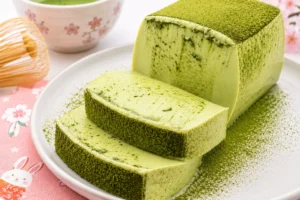
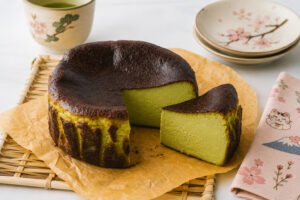
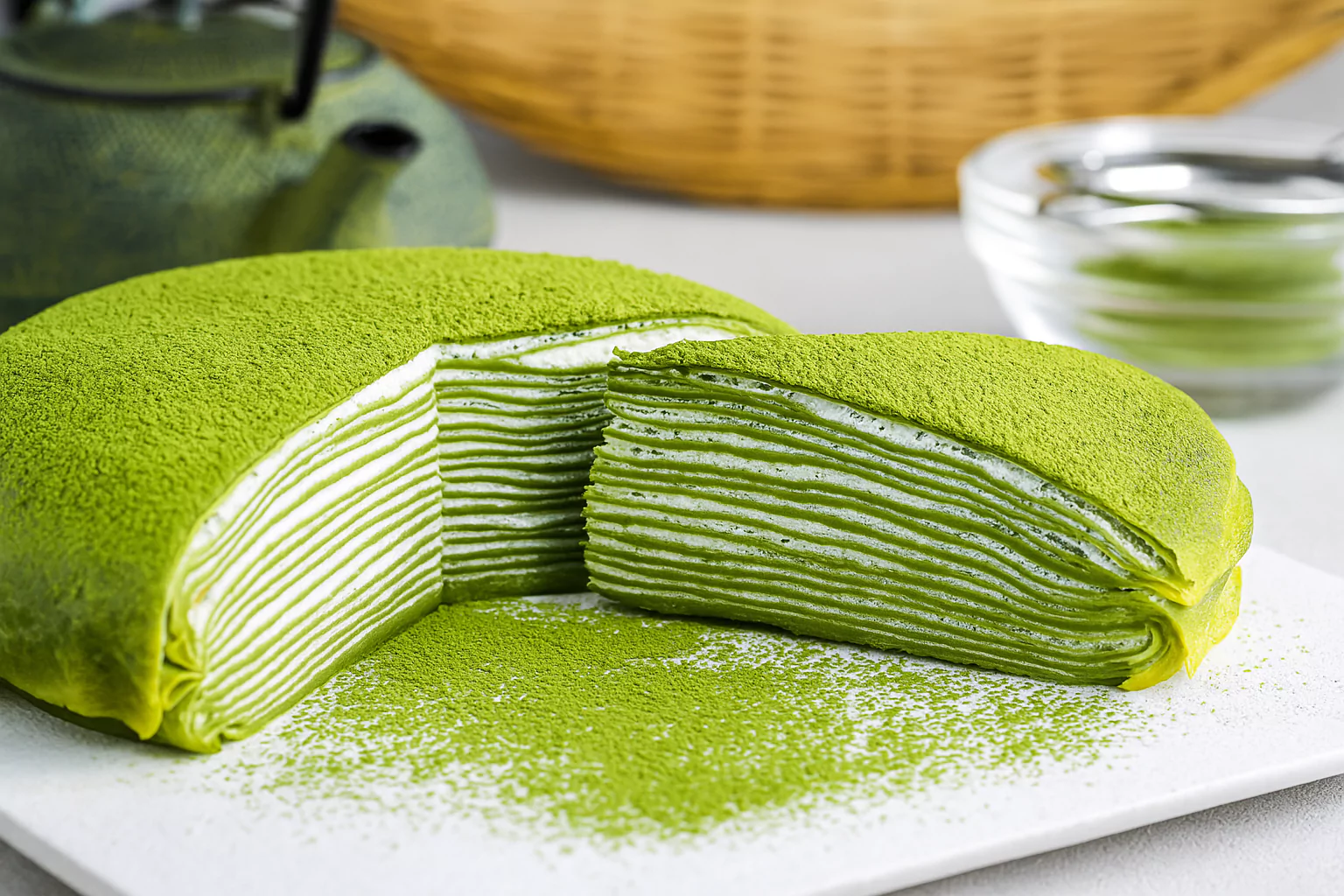
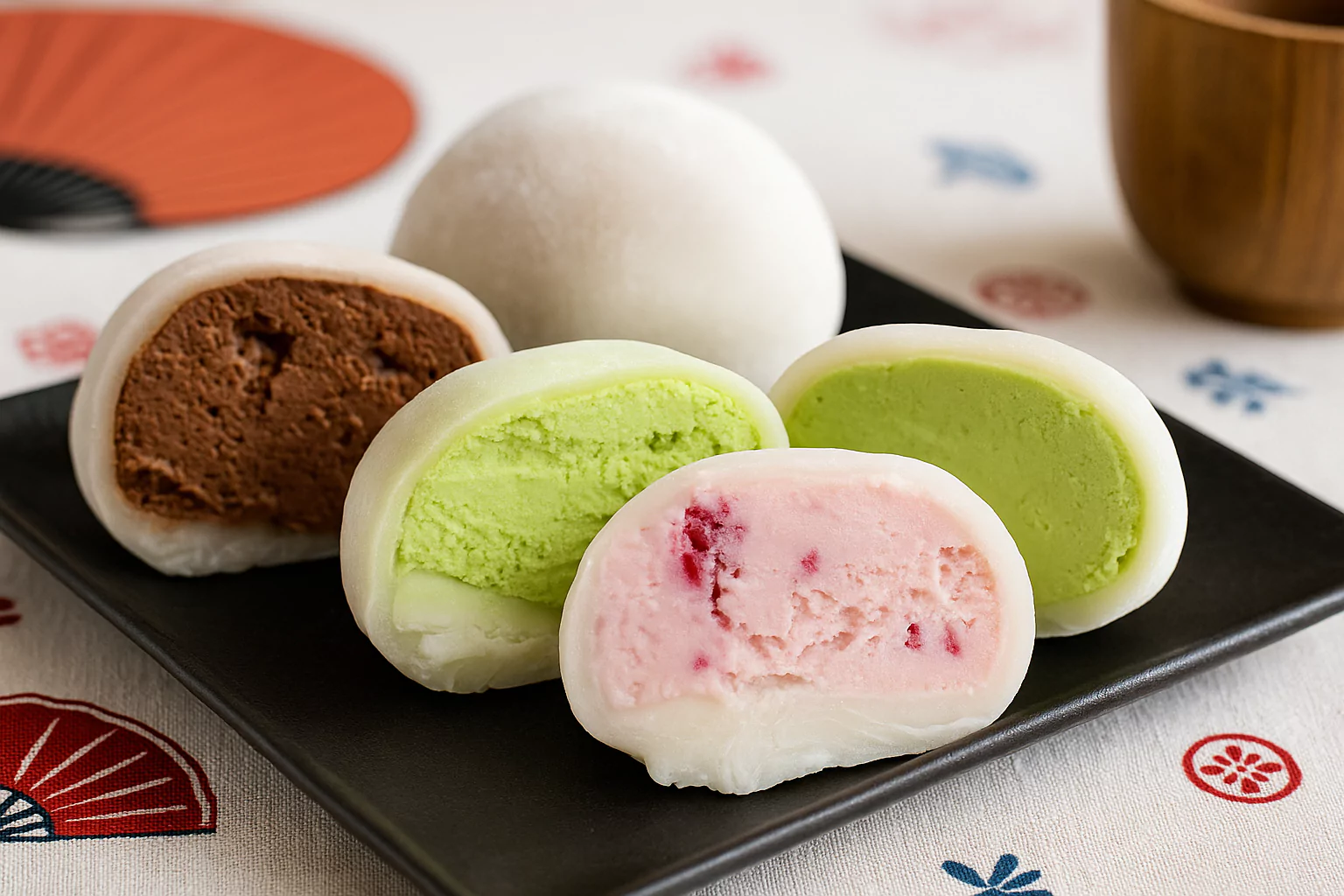
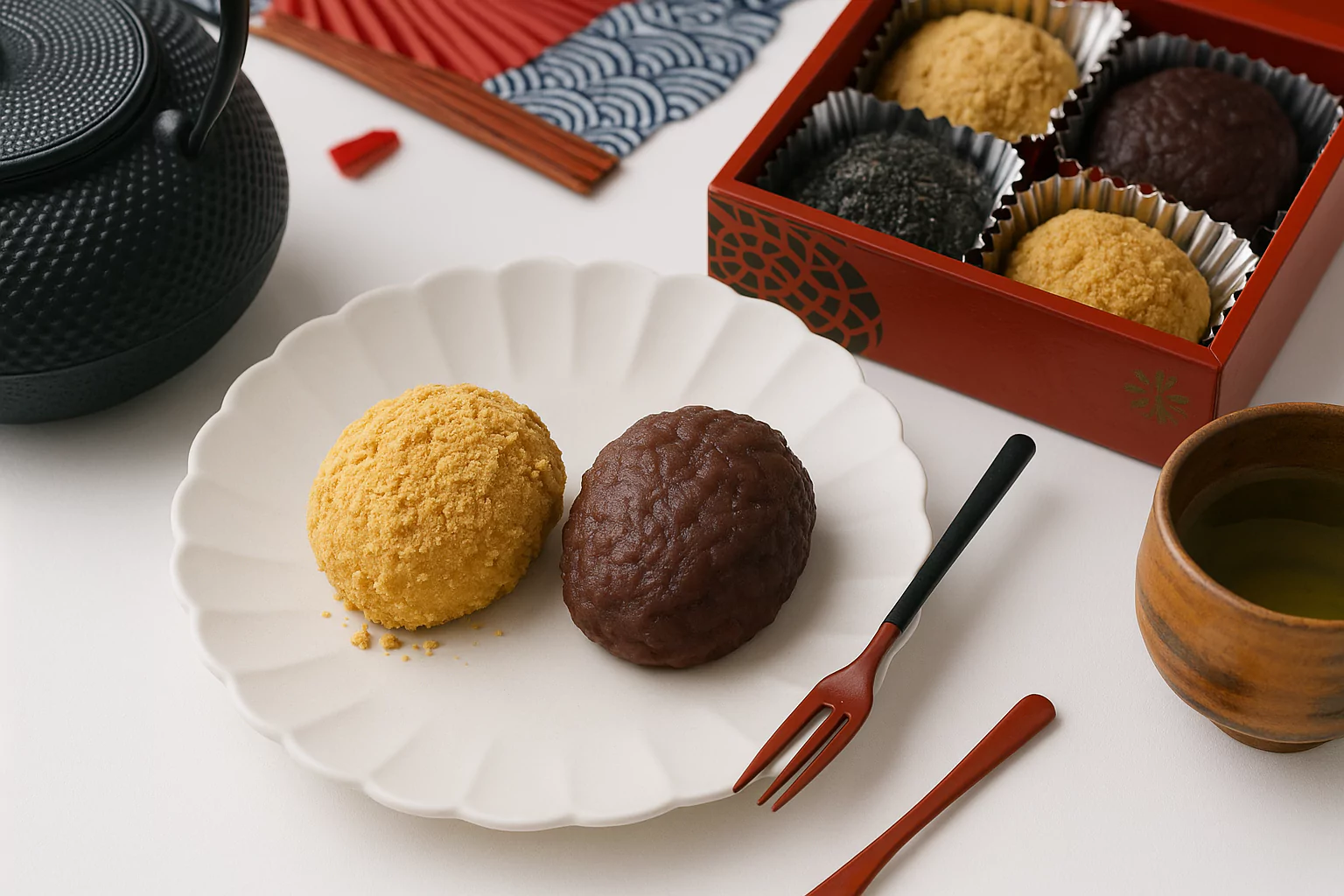
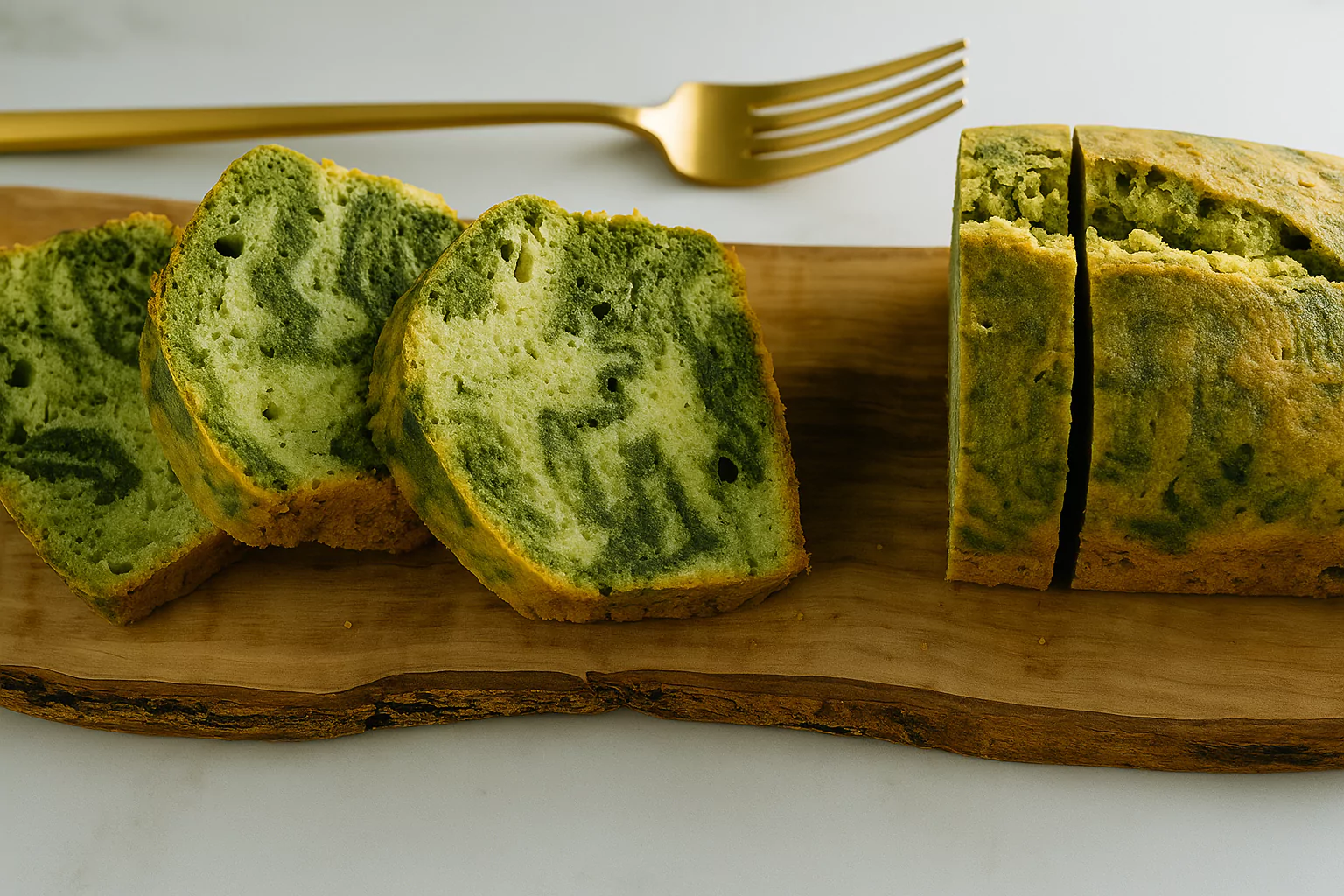
End your meal on a sweet note with our favorite wagashi (和菓子) and baked treats! From fluffy matcha cakes (抹茶ケーキ) and delicate dorayaki (どら焼き) to creamy mochi ice cream (もちアイス), these desserts are all about comfort and joy.

Whether you're after something traditional or modern, these sweet bites are easy to make and always amai (甘い) enough to make you smile.

Reader Favorites

Discover the Sweet Side of Japan

End your meal on a sweet note with our favorite wagashi (和菓子) and baked treats! From fluffy matcha cakes (抹茶ケーキ) and delicate dorayaki (どら焼き) to creamy mochi ice cream (もちアイス), these desserts are all about comfort and joy.

Whether you're looking for something traditional or modern, these sweet bites are easy to make and always amai (甘い) enough to make you smile.

Reader Favorites

Latest Japanese Pastry & Dessert

123 Next

Japanese Pastry & Dessert — Frequently Asked Questions

What are the most popular Japanese desserts?
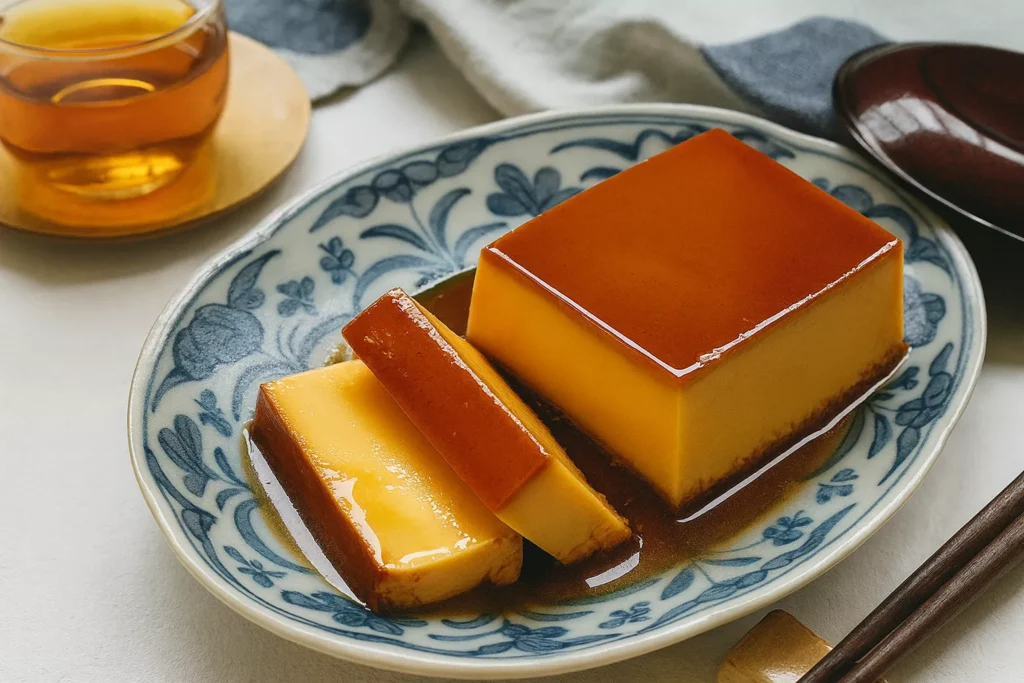
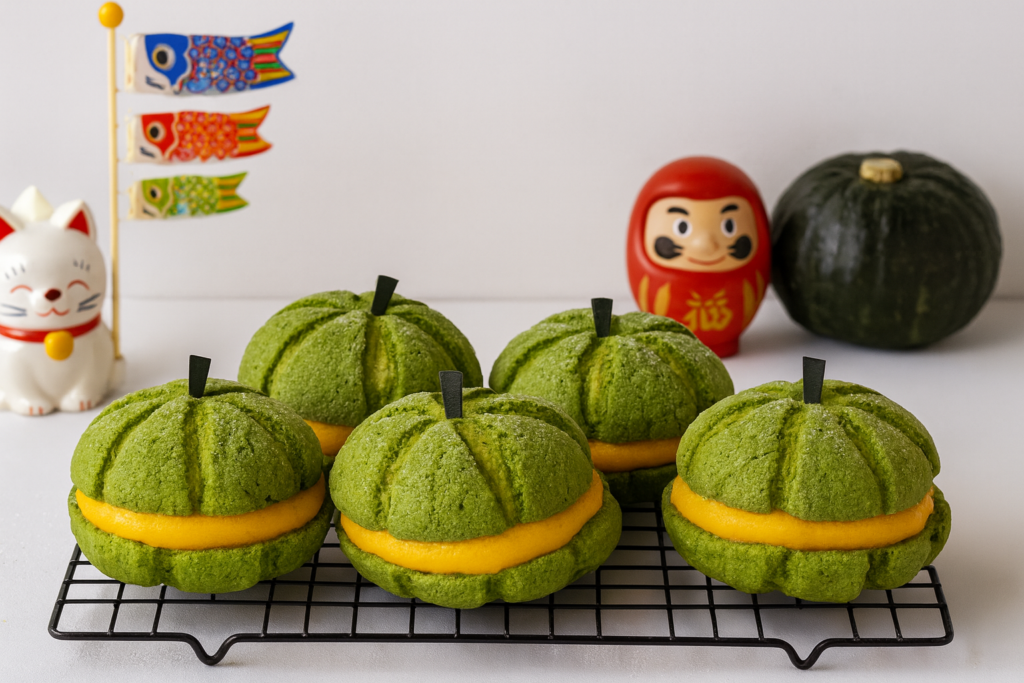
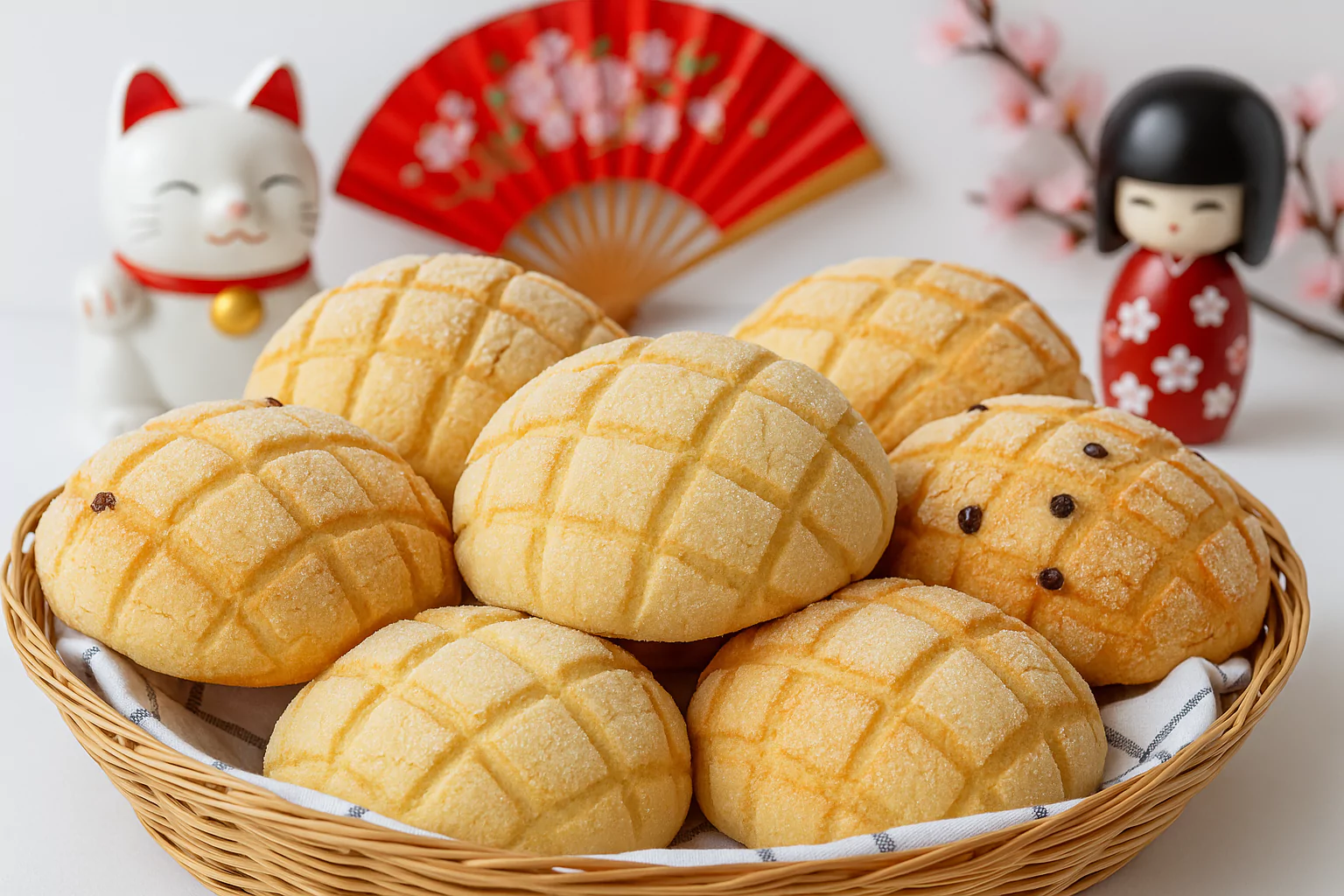
Favorites include dorayaki (sweet red-bean pancakes), matcha cakes, daifuku mochi (stuffed rice cakes), purin (custard pudding), and melon pan. Each one is loved for its gentle sweetness and beautiful presentation.
What ingredients do I need to make Japanese sweets at home?
Keep sweet red beans (anko), glutinous rice flour (mochiko), matcha powder, mirin, and sugar on hand. They form the base of most wagashi (和菓子) recipes.
What’s the difference between wagashi and yoshoku desserts?
Wagashi are traditional Japanese sweets made with rice flour, beans, and natural ingredients, usually served with tea. Yoshoku desserts are Western-inspired treats like cakes, cookies, and puddings adapted for Japanese tastes.
Can I make Japanese desserts without special tools?
Yes! A simple whisk, silicone spatula, and nonstick pan are enough. For mochi or dorayaki, just use a frying pan and small mold or bowl for shaping.
How do I get the perfect texture for mochi?
Steam or microwave mochiko flour with sugar and water, stirring until smooth and stretchy. Dust generously with cornstarch or potato starch before shaping to prevent sticking.
What’s the secret to fluffy Japanese sponge cakes?
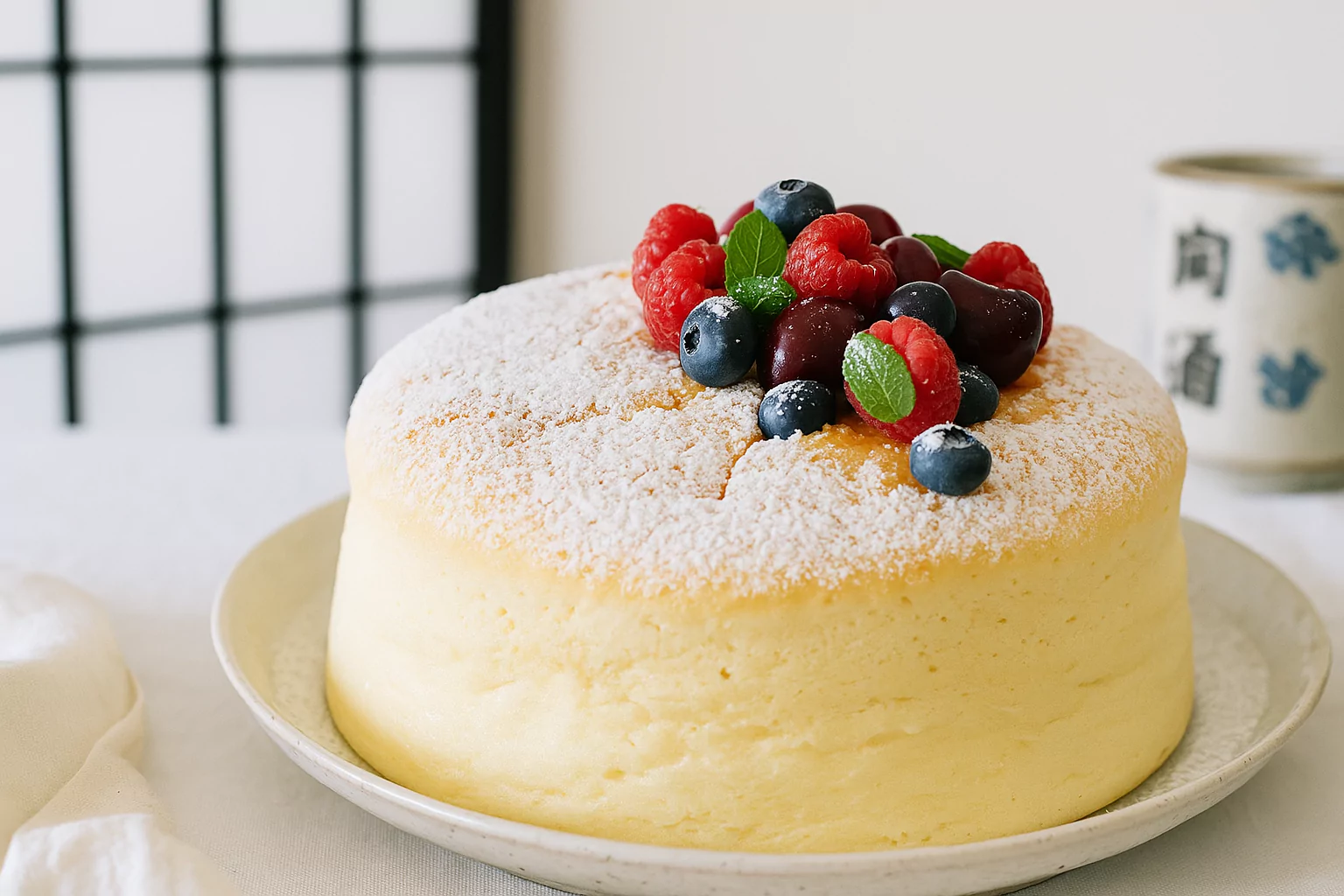
Whip the eggs and sugar until thick and pale, then fold in flour gently to keep the air bubbles. Bake at a moderate temperature — patience gives that cloud-soft texture.
Are Japanese desserts very sweet?
No — most are lightly sweetened compared to Western desserts. The goal is to balance sweetness with natural flavors like matcha bitterness or bean richness.
How can I make healthy Japanese desserts?
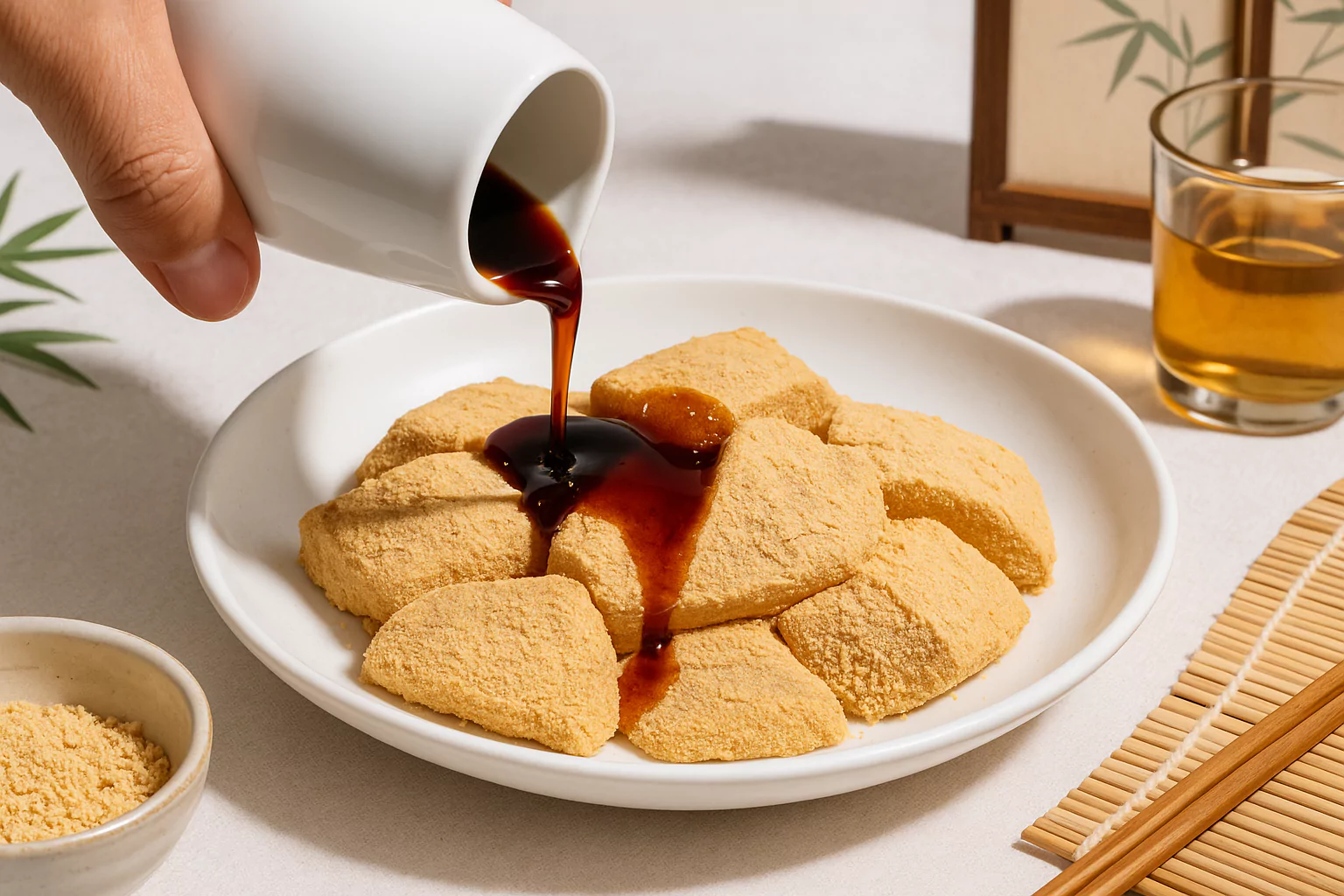
Choose recipes with rice flour, soy milk, tofu, or fruits instead of heavy cream. Desserts like warabi mochi or kuzukiri are naturally low-fat and refreshing.
Can I make desserts in advance?
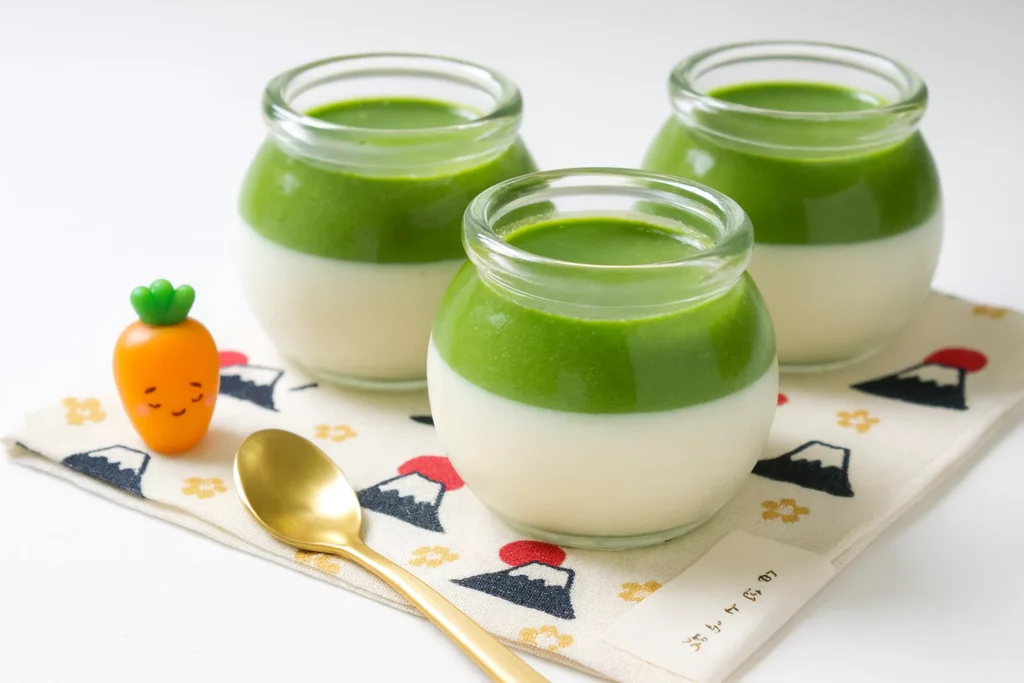
Definitely. Daifuku, dorayaki, and cookies can be made a day early and kept airtight. Creamy desserts like purin or matcha pudding taste even better after chilling overnight.
How should I store and serve Japanese desserts?
Most wagashi are best stored in a cool, dry place and eaten within 1–2 days. Refrigerate puddings or mochi ice cream, and serve with hot green tea for the perfect balance.