
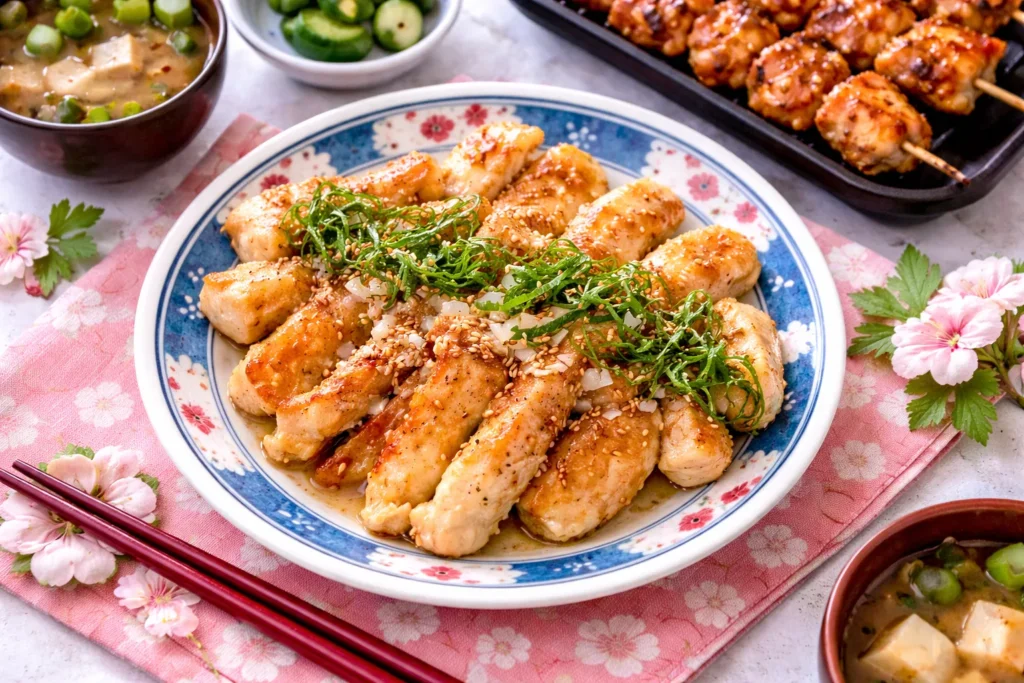
Have you ever thought that chicken breast has to be dry or boring to be healthy?
Many people believe that lean chicken cannot be juicy or full of flavor. This recipe proves the opposite. Stick Chicken スティックチキン is light, tender, and deeply satisfying, even though it uses simple ingredients and very little oil. Once you try it, you may never look at chicken breast the same way again.
Overview
Stick Chicken スティックチキン is a Japanese-style chicken dish made with sliced chicken breast cooked in a gentle salt-based sauce. The chicken is cut into easy-to-eat sticks, lightly coated, pan-fried, and then finished in a savory broth that adds shine and flavor.
What makes this recipe special is its balance. It is soft inside, lightly crisp outside, and coated in a clean, umami-rich sauce. The dish feels comforting but not heavy.
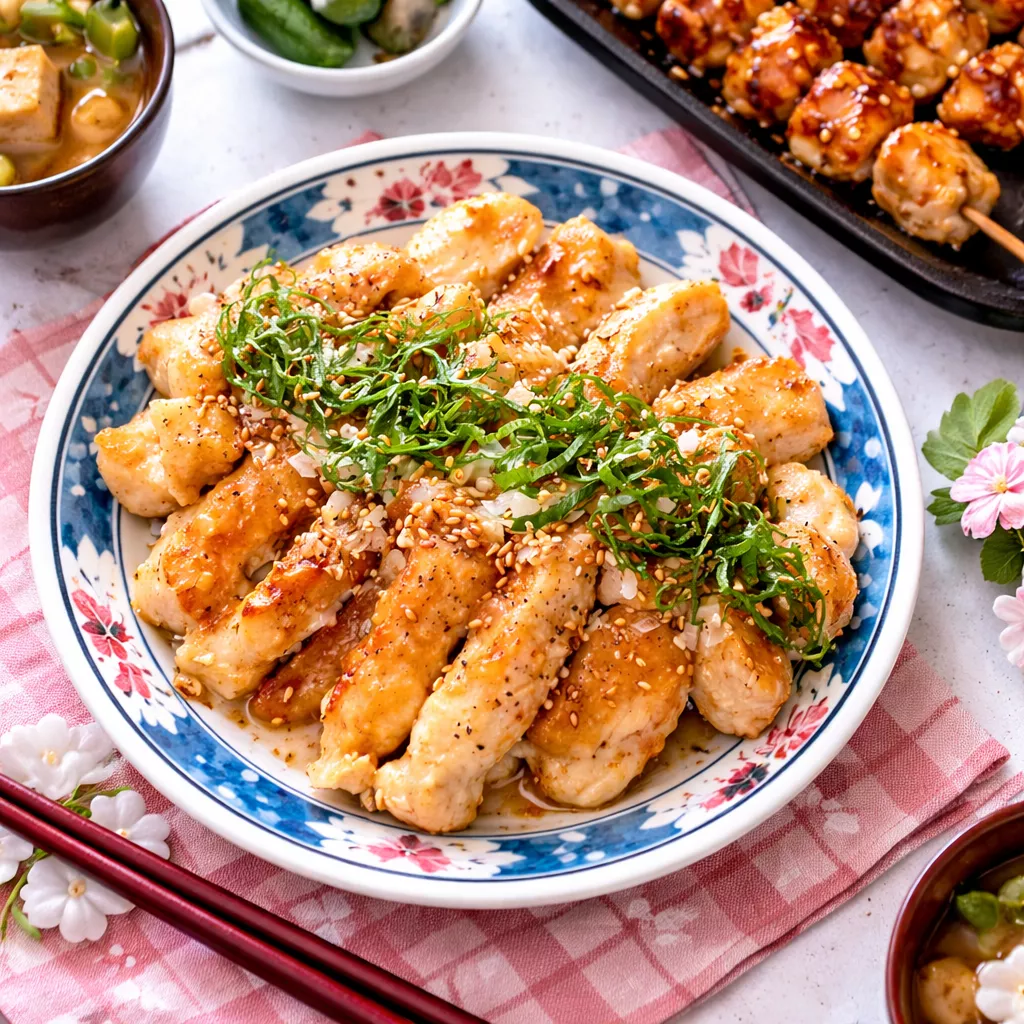
What is Stick Chicken スティックチキン?
Stick Chicken スティックチキン is inspired by simple Japanese home cooking. Instead of thick cuts or deep frying, the chicken is sliced into uniform sticks so it cooks evenly and stays moist. A light starch coating protects the meat, while a gentle broth made with Japanese seasonings adds flavor without overpowering the chicken. Fresh shiso leaves are added at the end to give a clean, herbal finish.
Essential Ingredients
Key Ingredients (材料)
Stick Chicken スティックチキンThese carefully chosen ingredients create tender, juicy chicken with a light Japanese-style salt sauce. Each card explains the role of the ingredient and offers simple substitution ideas.
Step-by-Step Instructions
Step 1: Prepare the Chicken
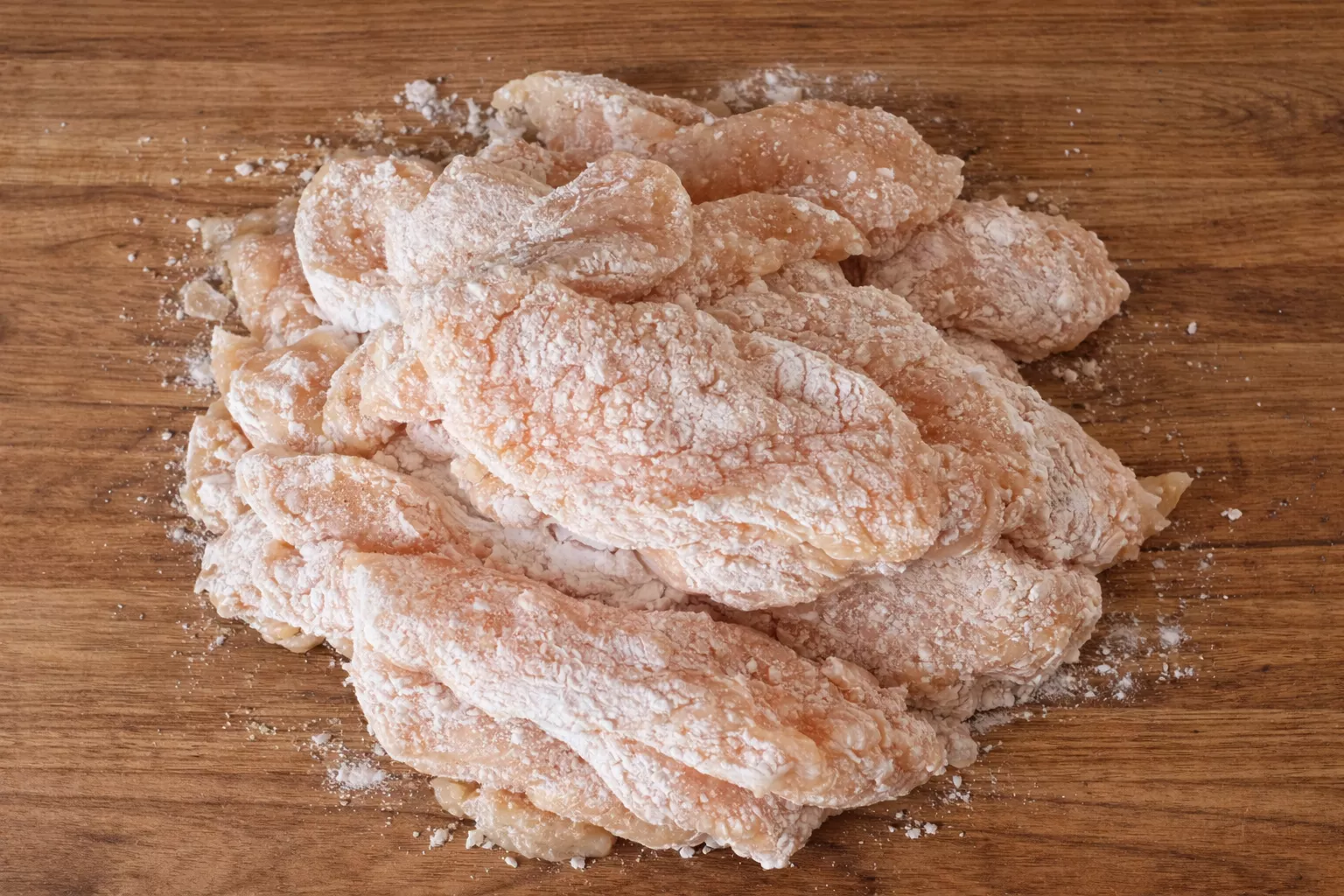
Cut the chicken breast into even sticks about 1.5 cm wide. Lightly sprinkle with salt, then coat each piece thinly with potato starch. Shake off any extra starch so the coating stays light.
Step 2: Pan-Fry
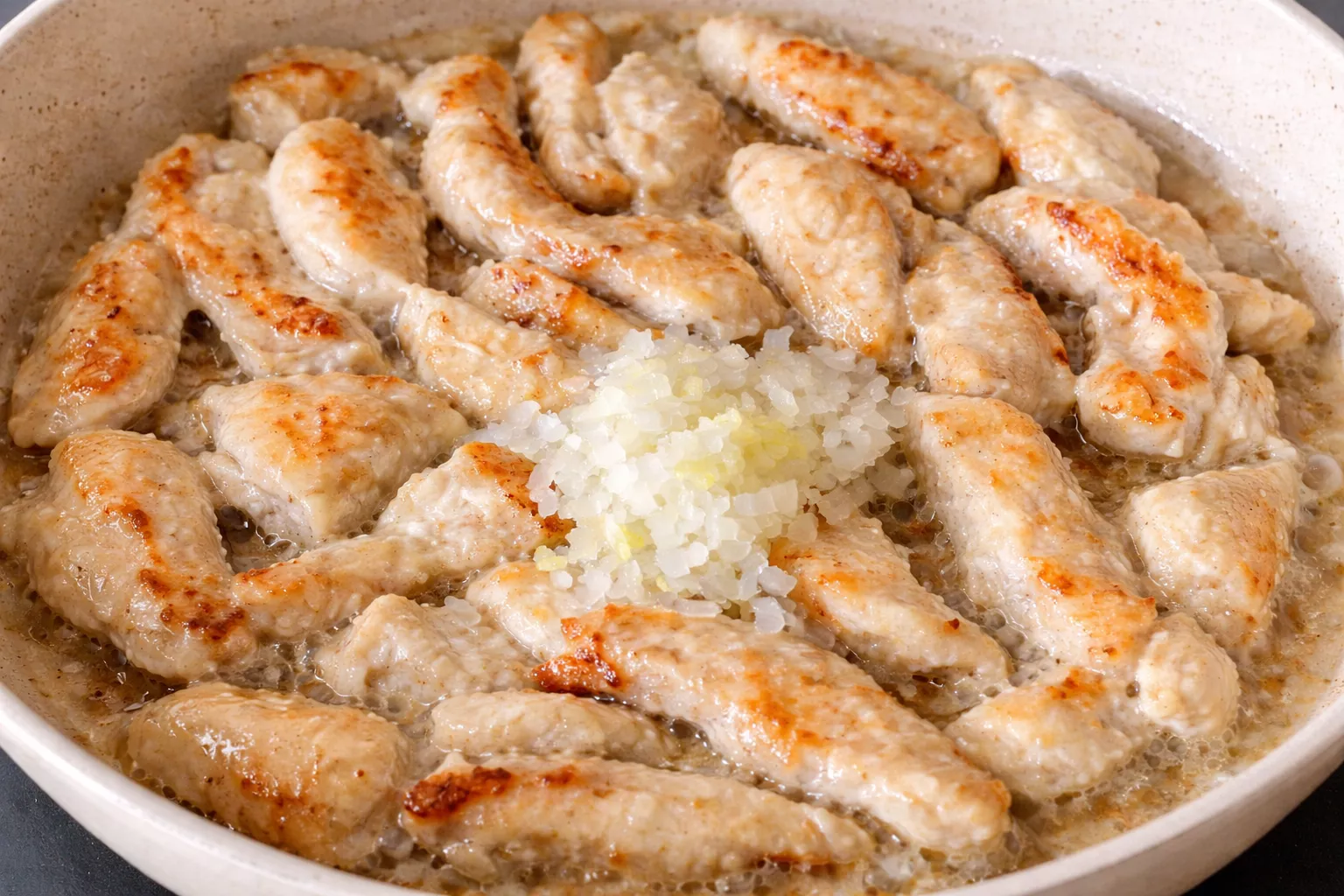
Heat a small amount of oil in a frying pan over medium heat. Add the chicken sticks and cook while turning gently. Fry until all sides are lightly golden and the surface feels firm.

Step 3: Simmer in Sauce
In a small bowl, mix water, sake, chicken stock, and salt. Pour this mixture into the pan along with the chopped onion. Let it simmer briefly while turning the chicken so the sauce coats every piece and becomes glossy.
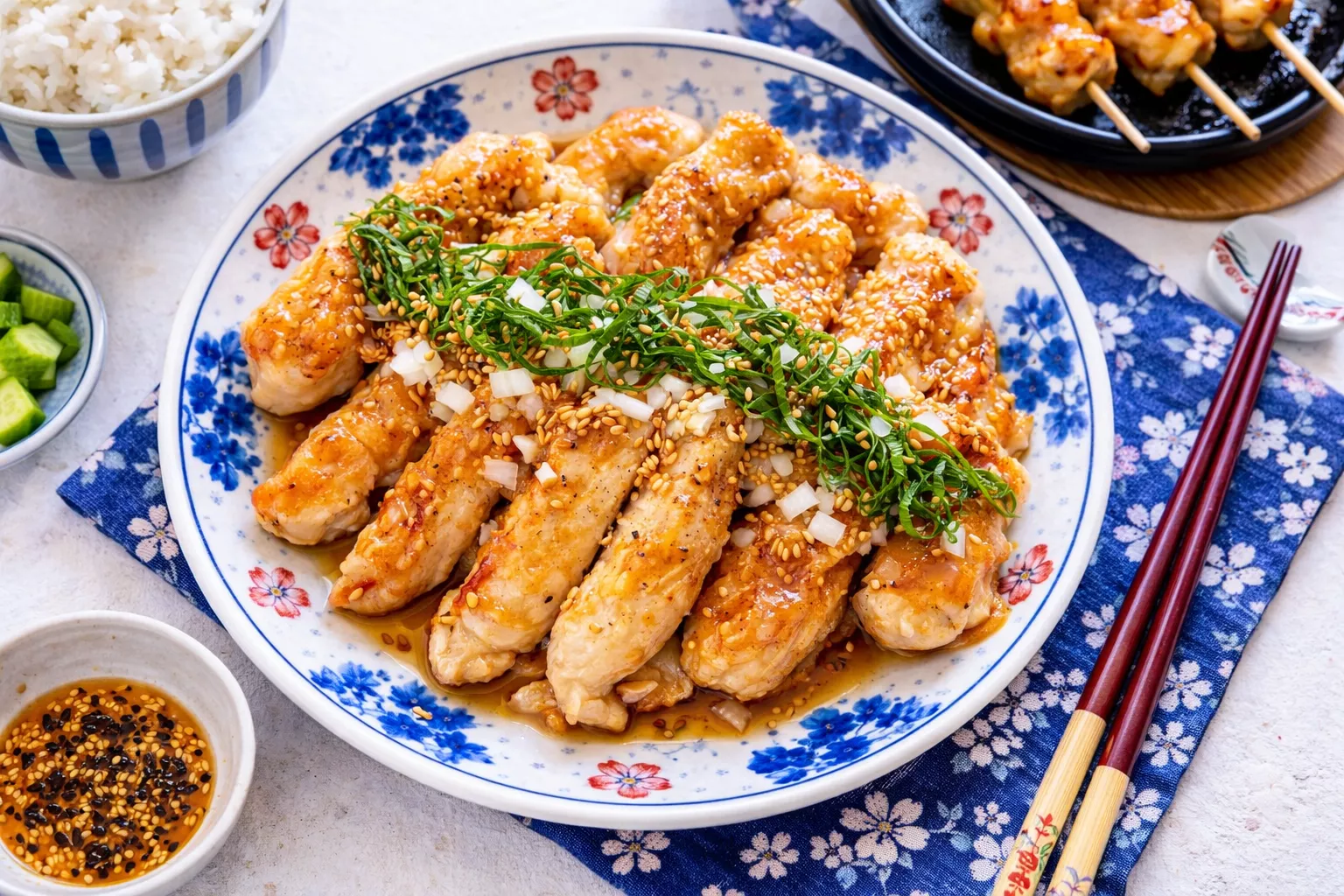
Step 4: Finish and Serve
Transfer the chicken to a serving bowl. Sprinkle with shredded green shiso leaves just before serving to keep their fresh aroma.
Secrets to Success and Expert Tips
These practical tips will help you cook tender, juicy Stick Chicken スティックチキン with a light, glossy finish every time:
-
♥
Slice the chicken evenly
Cutting the chicken into similar-sized sticks helps it cook at the same speed and keeps every piece tender. -
♥
Use a light starch coating
A thin layer of potato starch protects the meat from drying out and creates a soft surface without heaviness. -
♥
Cook over medium heat
Gentle heat allows the chicken to brown lightly while staying moist inside. High heat can make it tough. -
♥
Simmer the sauce briefly
Once the sauce is added, keep the cooking time short so the chicken absorbs flavor without overcooking. -
♥
Add shiso at the end
Fresh shiso leaves should be added just before serving to keep their aroma bright and refreshing.
Assembly and Presentation
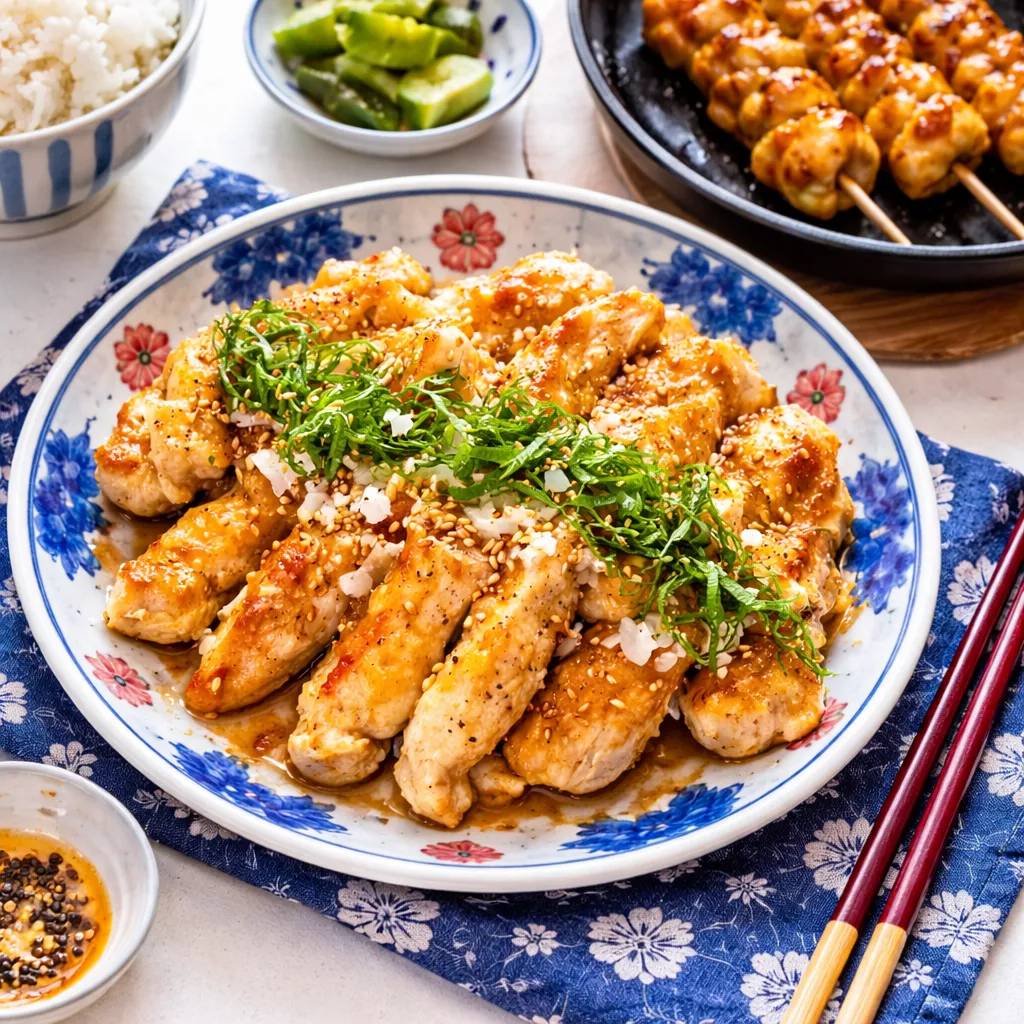
Arrange the chicken sticks neatly in a shallow bowl or Japanese plate. Spoon a little of the glossy sauce over the top. Finish with finely shredded shiso leaves placed lightly in the center.
Hana’s Recipe Tips
- Serve with plain rice to let the chicken shine.
- Use a white or beige plate to highlight the glossy finish.
- Keep the portion simple; this dish looks best when not crowded.
Storage and Make-Ahead Tips
- Store leftovers in an airtight container in the refrigerator for up to 2 days.
- Reheat gently in a pan with a small splash of water to keep the chicken soft.
- Avoid microwaving for too long, as chicken breast can dry quickly.
- This dish is best enjoyed fresh but works well for next-day meals.
Recipe Variations
Stick Chicken スティックチキン is easy to adapt, making it perfect for different tastes and meals. With small changes, you can enjoy new flavors while keeping the dish light and balanced.
Add Extra Flavor
Small additions can change the taste without making the dish heavy:
- Grated ginger for warmth
- A few drops of light soy sauce for deeper umami
- Garlic paste for a richer aroma
Change the Sauce Style
Adjust the liquid ingredients to suit your preference:
- Add butter at the end for a smooth finish
- Use dashi instead of water for a Japanese depth
- Reduce the sauce longer for a thicker glaze
Adjust the Texture
You can control how crisp or soft the chicken feels:
- Pan-fry longer before adding sauce for crisp edges
- Use less starch for a lighter surface
- Cover the pan briefly to keep extra moisture
Serve It Differently
This dish fits many meals and settings:
- Serve over steamed rice as a bowl
- Add to ramen or noodle soup as a topping
- Pack in a bento box with vegetables
Recipe to Try Next
If you enjoyed making Stick Chicken スティックチキン, here are two Japanese recipes that pair beautifully with it or are worth trying next. Both focus on simple techniques, clean flavors, and tender textures.
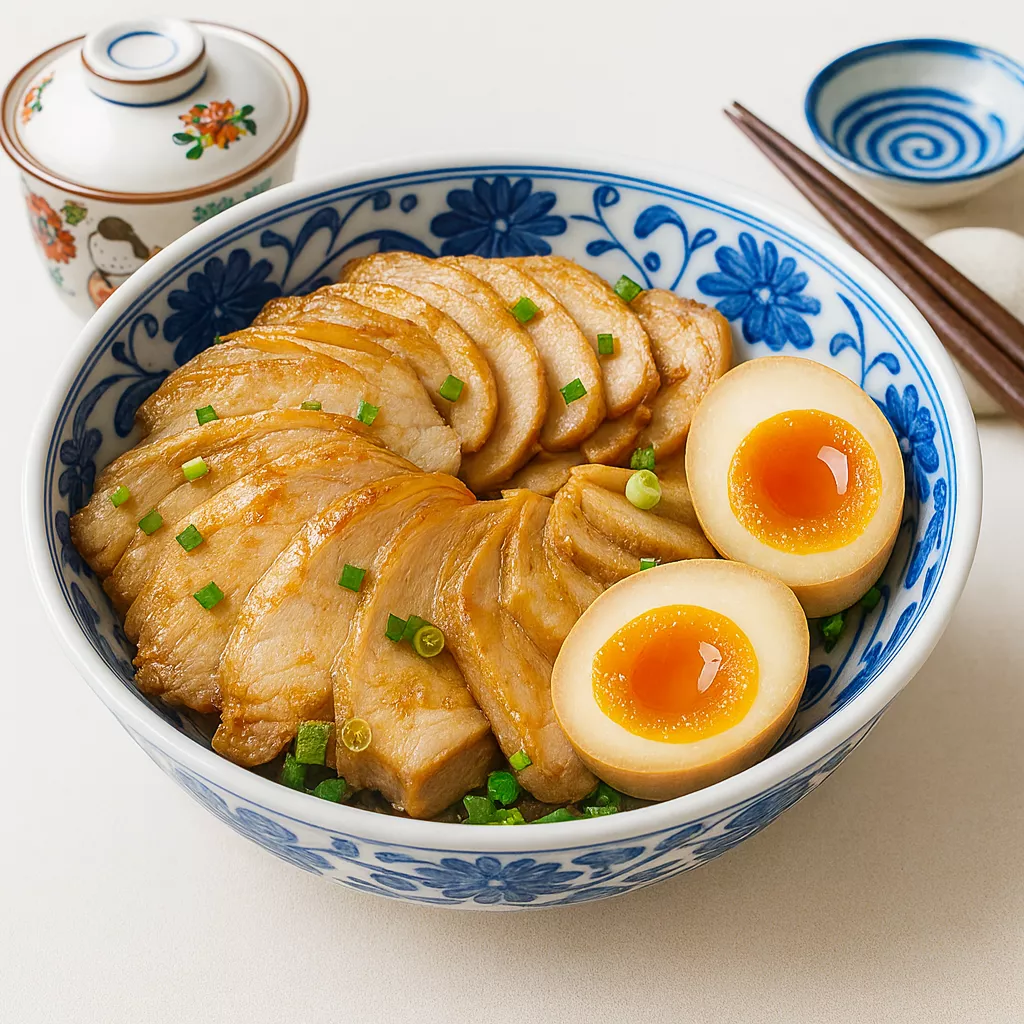
Tender Chicken Breast Char Siu チキンチャーシュー
This recipe transforms chicken breast into a soft, juicy char siu-style dish using a gently sweet and savory Japanese-inspired sauce. It is perfect for meal prep, rice bowls, or as a protein topping for noodles. The cooking method keeps the chicken moist while adding deep flavor.
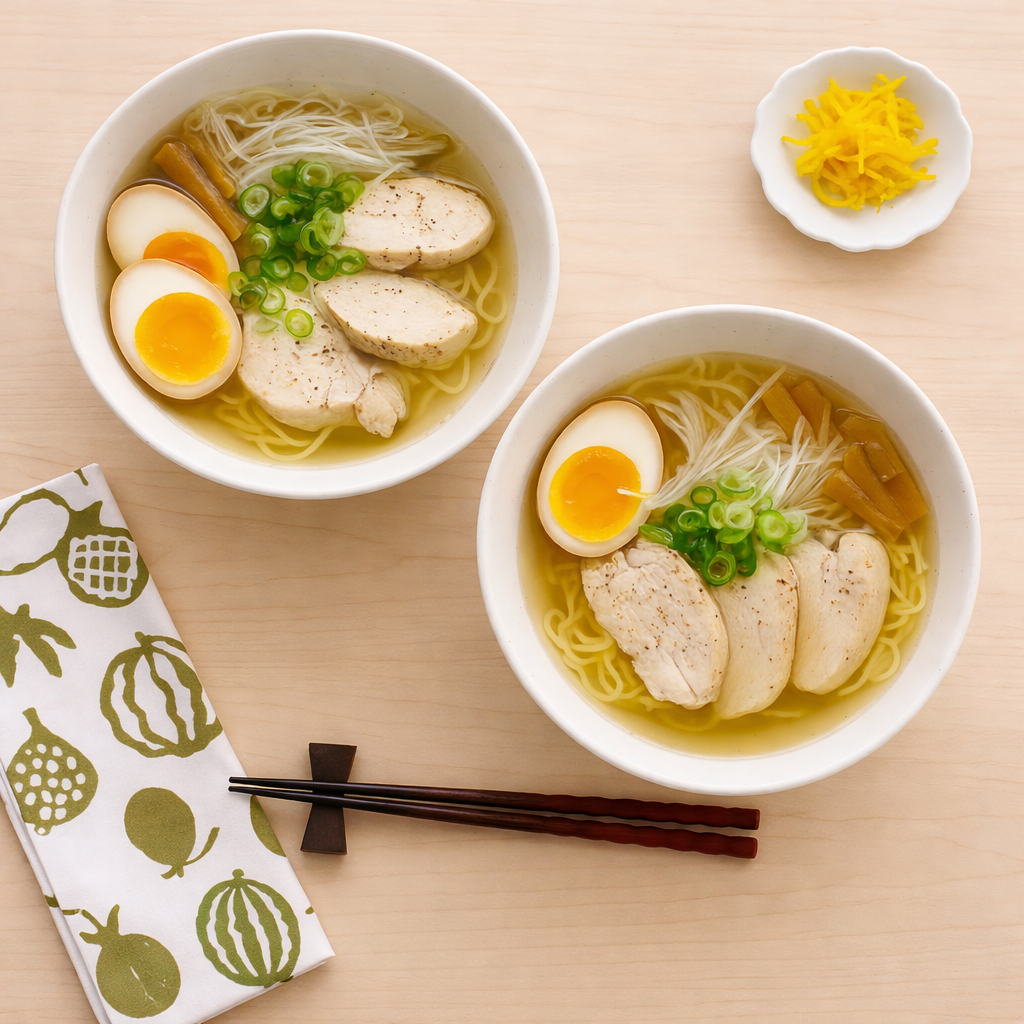
Shio Ramen 塩ラーメン
Shio Ramen is a light and clear Japanese ramen known for its clean, umami-rich broth. It pairs very well with chicken-based toppings and simple side dishes. This recipe focuses on balance, making it ideal when you want a comforting meal that does not feel heavy.
Conclusion
Stick Chicken スティックチキン shows how simple ingredients can create a satisfying and elegant meal. It is quick, light, and flexible, making it perfect for busy days or careful eating. With just a few Japanese touches, chicken breast becomes something comforting and enjoyable. Try it once, and it may become a regular dish in your kitchen.
FAQs
Is Stick Chicken スティックチキン healthy?
Yes. It uses lean chicken breast, minimal oil, and a light sauce.
Can I make this without sake?
Yes. You can replace sake with water, but the flavor will be lighter.
Why use potato starch instead of flour?
Potato starch creates a softer coating and keeps the chicken moist.
Can I prepare this in advance?
You can prep the chicken and onion ahead of time, but cook just before serving.
What can I serve with this dish?
Steamed rice, miso soup, or simple vegetables pair well with this recipe.
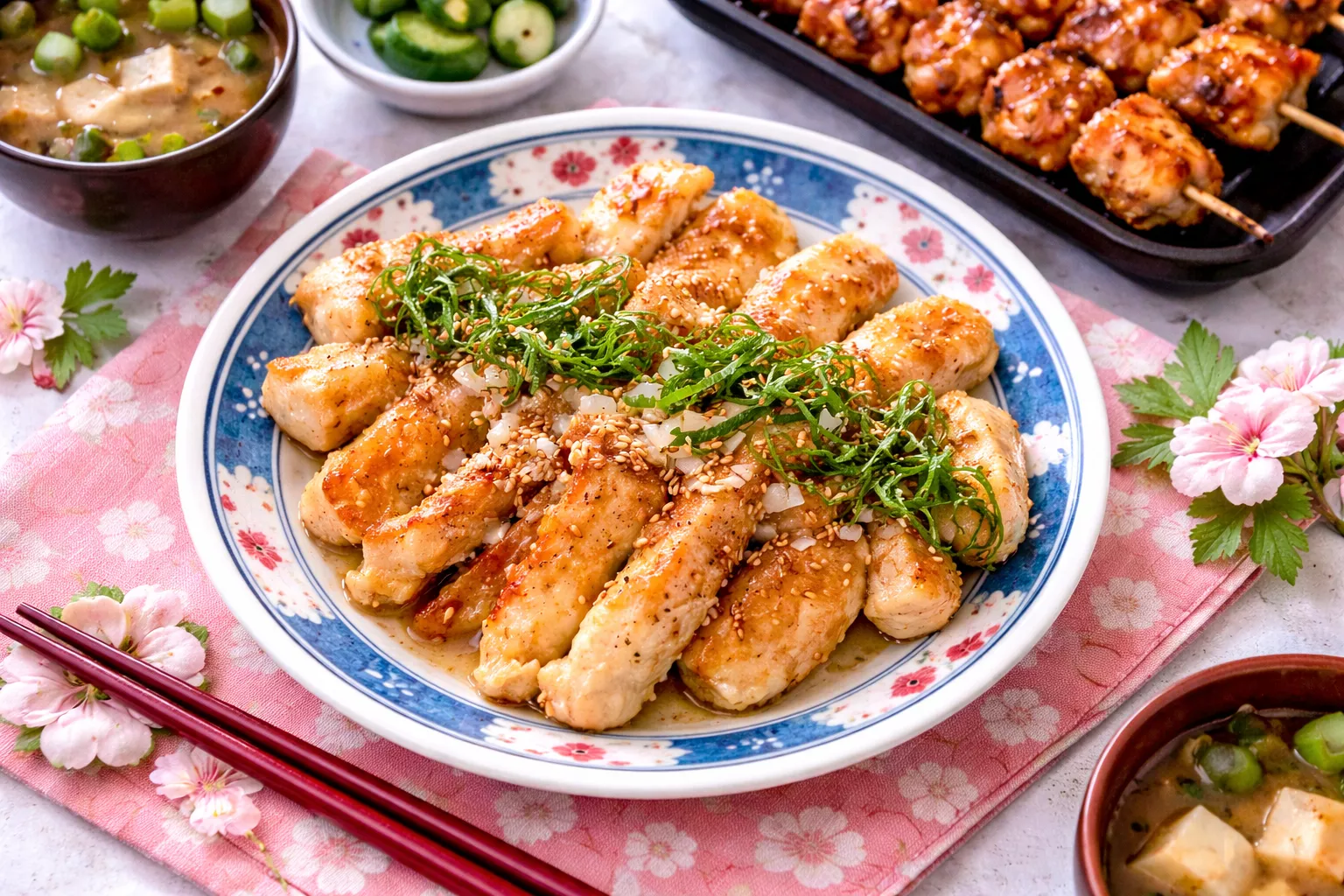
Stick chicken スティックチキン
Course: Main CoursesCuisine: JapaneseDifficulty: Easy2
servings10
minutes10
minutes260
kcalTender chicken breast cut into sticks, lightly coated, pan-fried, and finished in a delicate Japanese salt sauce. This Stick Chicken スティックチキン recipe is quick to make, healthy, and full of clean umami flavor.
Ingredients
Chicken breast (1 large piece, about 350 g)
White onion (40 g, finely chopped)
Potato starch (as needed, for coating)
Potato starch (as needed, for coating)
Fresh green shiso leaves (to taste, shredded)
Neutral oil (for frying)
- Seasoning Mix
Seasoning Mix
Sake (1 tablespoon)
Granulated chicken stock (2 teaspoons)
Salt (1/2 teaspoon)
Directions
- Cut the chicken breast into even sticks about 1.5 cm wide. Lightly season with a pinch of salt, then coat each piece thinly with potato starch. Shake off any excess.
- Heat a small amount of oil in a frying pan over medium heat. Add the chicken sticks and cook while turning gently until all sides are lightly golden and cooked through.
- In a bowl, mix the water, sake, chicken stock, and salt. Add this mixture and the chopped onion to the pan. Simmer briefly while turning the chicken so the sauce coats it evenly and becomes glossy.
- Transfer the chicken to a serving bowl and top with shredded green shiso leaves just before serving.
Notes
- ✪ Slice the chicken evenly to ensure tender, juicy results.
✪ Do not overcook after adding the sauce; a short simmer keeps the meat soft.
✪ Shiso should be added at the end to keep its fresh aroma.
✪ This dish pairs well with steamed rice or as a topping for noodles.
Did you make this recipe?
Tag @jp.dishes on Instagram so we can see your delicious creation!