
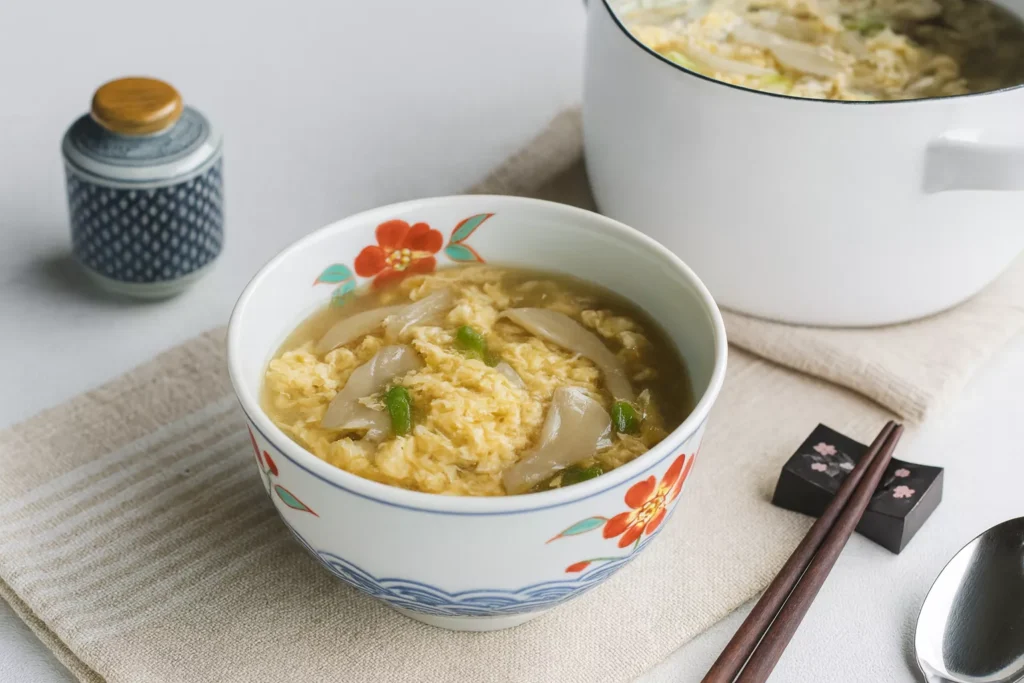
Have you ever wondered how a simple spoonful of seasoning can turn a basic pot of soup into something warm, deep, and full of quiet flavor? Many people think great taste always comes from long cooking times or rich ingredients, but that is not always true. One traditional ingredient in Japan proves this idea wrong. With just a few everyday items and one special seasoning, you can create a bowl of soup that feels gentle, comforting, and surprisingly full of depth.
The answer lies in a mixture called shio koji, and today we will explore how it transforms a simple homemade soup into something memorable. This guide will show you how to make Japanese Salted Rice Malt Soup in a way that is easy, fast, and clear for anyone to follow.
Overview
Japanese Salted Rice Malt Soup is a light, soothing broth made with mushrooms, tuna, eggs, and green onions. What sets this recipe apart is its use of shio koji, a fermented mixture of salt, rice, and koji mold. This ingredient works quietly to add natural sweetness, umami, and a soft texture to the final soup. Even though the flavor seems layered and complex, the recipe itself is simple and perfect for beginners.
The whole soup comes together in roughly fifteen minutes, making it a great choice for a fast lunch or a simple, comforting dinner. The difficulty level is low, and most steps involve placing ingredients into a pot and letting the heat do the work.
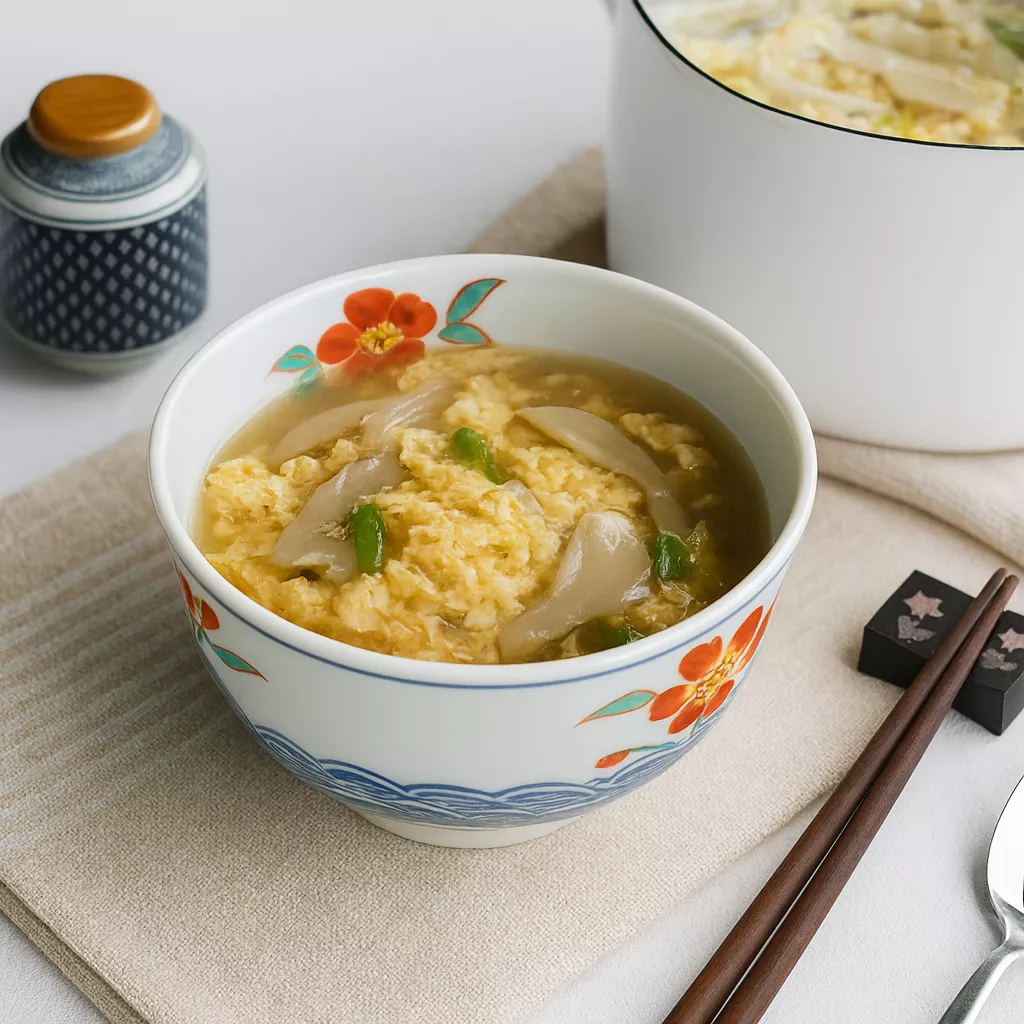
What Is Shio Koji Soup?
Shio koji soup is a gentle broth flavored with shio koji, which acts as both a seasoning and a natural tenderizer. It gives the soup a slightly sweet, salty, and savory taste without overpowering the other ingredients. In this recipe, shio koji brings together the soft eggs, earthy maitake mushrooms, mild tuna, and crisp green onion into one balanced bowl. Unlike heavy soups, this one focuses on clean taste, warmth, and the quiet depth created by fermentation. Each spoonful carries a mild umami that develops naturally from the koji itself.
Essential Ingredients
Key Ingredients (材料)
Shio Koji Soup 塩麹スープThese ingredients form the gentle, umami-rich base of Japanese Salted Rice Malt Soup. Each card explains the ingredient’s role and possible substitutions.
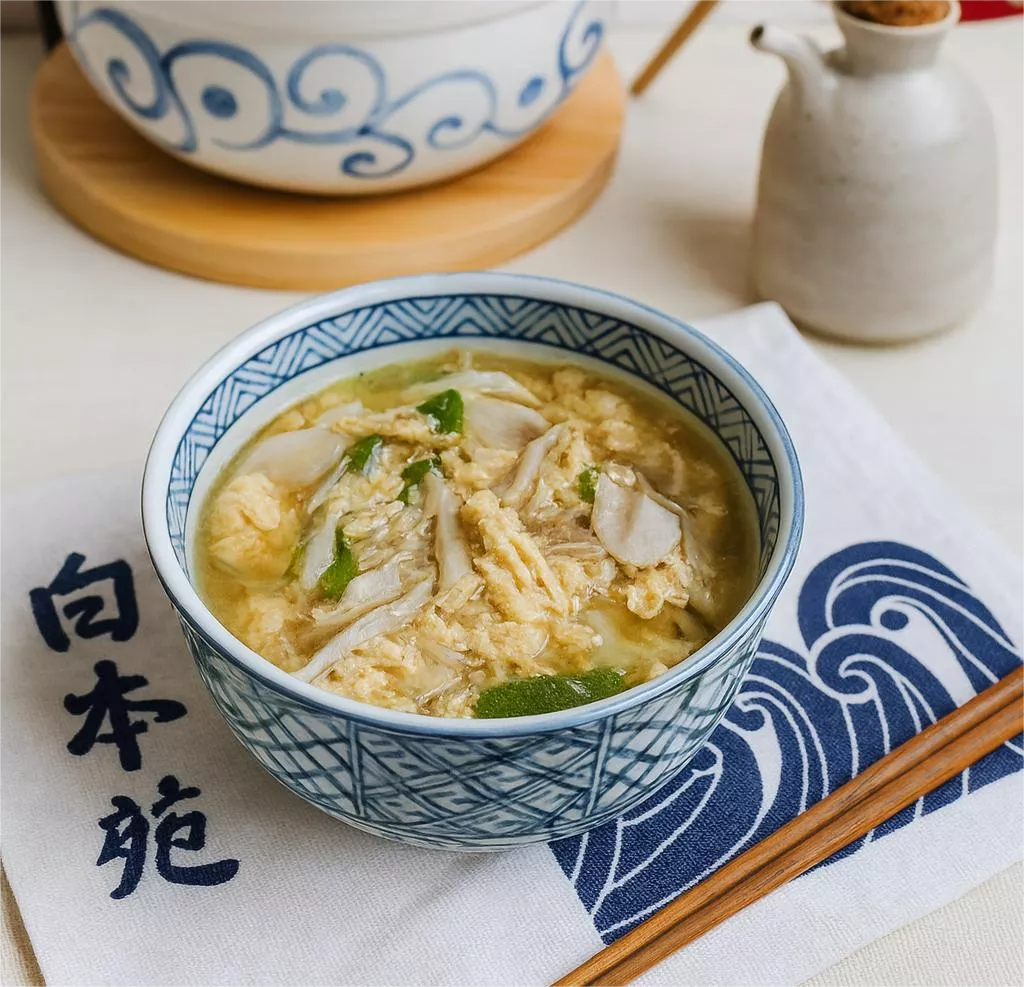
Step-by-Step Instructions
Here is a simple four-step version of the recipe, rewritten uniquely and easy to follow:
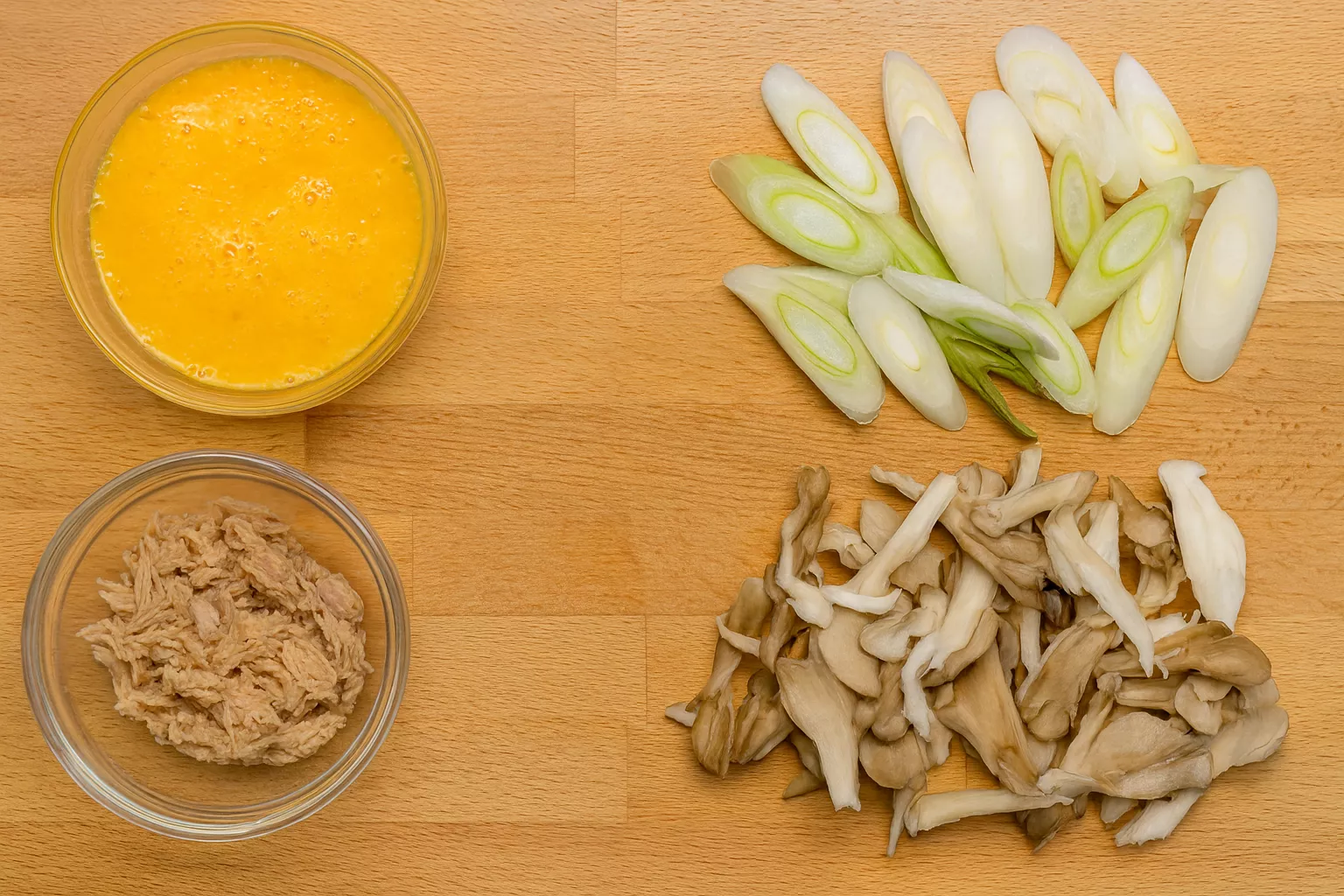
Step 1: Prep the Ingredients
Beat the eggs in a bowl until smooth. Gently pull apart the maitake mushrooms into small pieces. Slice the long green onion into thin diagonal strips. Drain the oil from the tuna can so the soup stays light.
Step 2: Start the Broth
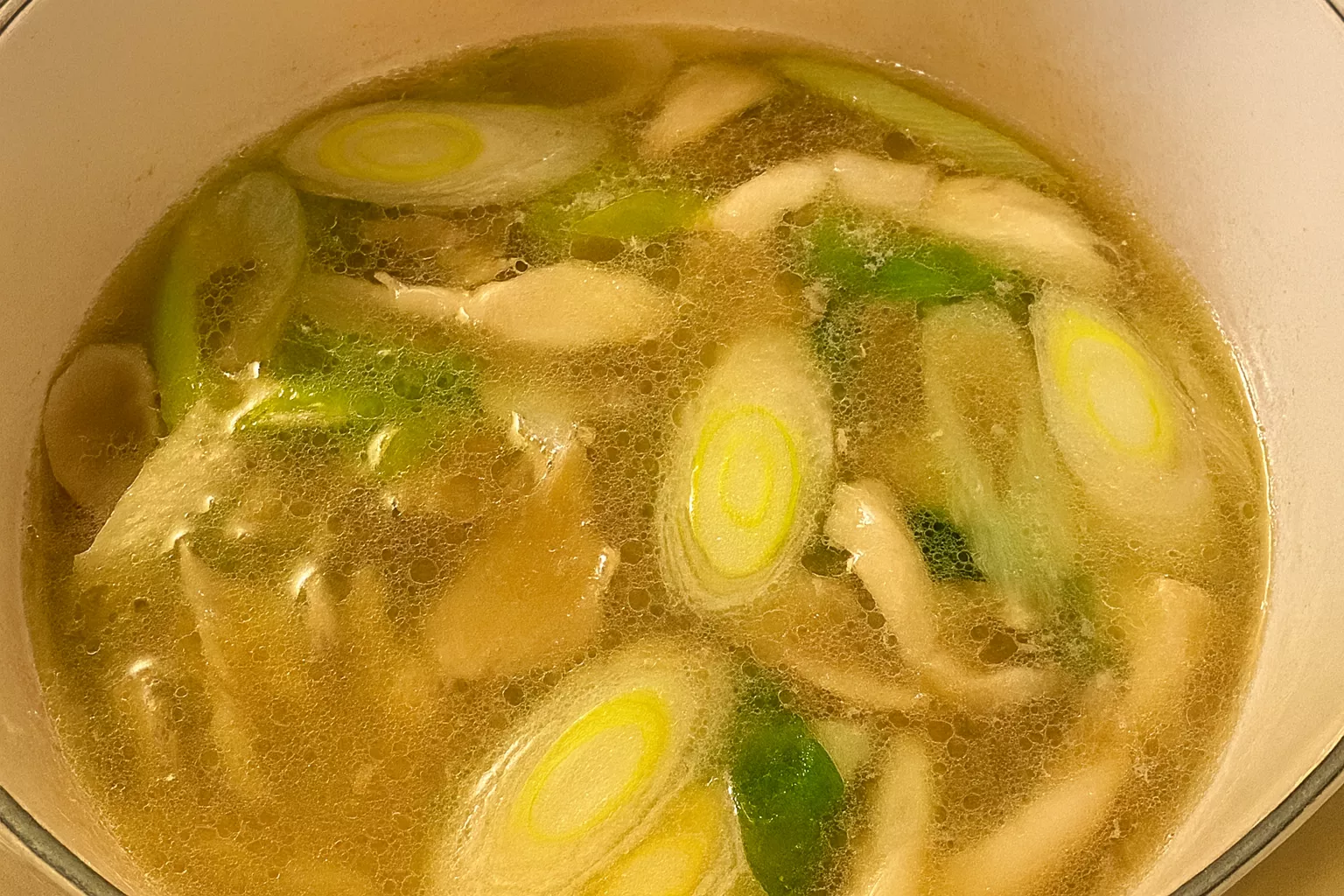
Pour the water into a pot and warm it over medium heat. When the water reaches a steady simmer, add the mushrooms and sliced green onion. Let them cook for about three minutes so they soften and release their flavors.

Step 3: Build the Flavor
Stir in the tuna, chicken stock granules, shio koji, and sake. Mix well so the seasoning spreads evenly. Allow the broth to come back to a gentle boil. The tuna will break apart and blend naturally into the soup.
Step 4: Add the Eggs
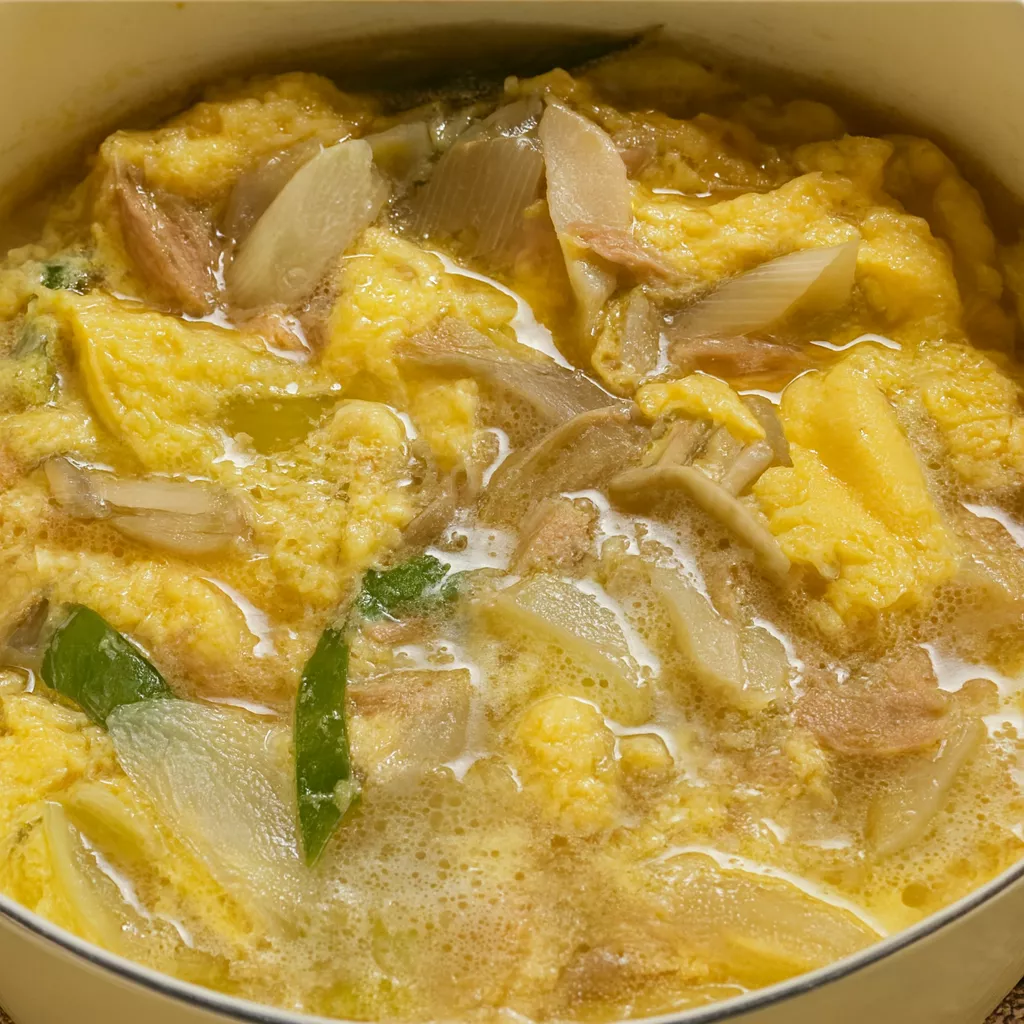
Slowly drizzle the beaten eggs into the simmering broth. Wait a few seconds for the strands of egg to set, then lightly stir the pot once to spread them out without breaking them too much. Turn off the heat once the eggs are firm but still tender. Serve the soup in warm bowls.
Secrets to Success and Expert Tips
These simple but important tips will help you make a smooth, flavorful, and perfectly balanced Shio Koji Soup every time:
-
♥
Add the eggs slowly
Pour the beaten eggs in a thin stream while the broth is gently simmering. This creates soft, delicate ribbons instead of clumps. -
♥
Keep the heat low when adding shio koji
High heat can reduce its natural sweetness. Add it once the soup is gently simmering to preserve its mellow umami flavor. -
♥
Drain the tuna well
Removing excess oil keeps the broth light and prevents the soup from becoming heavy or cloudy. -
♥
Slice the green onion thinly
Thin slices soften quickly and release more aroma, giving the soup a cleaner and brighter taste. -
♥
Do not over-stir the eggs
A gentle swirl is enough. Stirring too much breaks the ribbons and makes the soup cloudy instead of silky.
Assembly
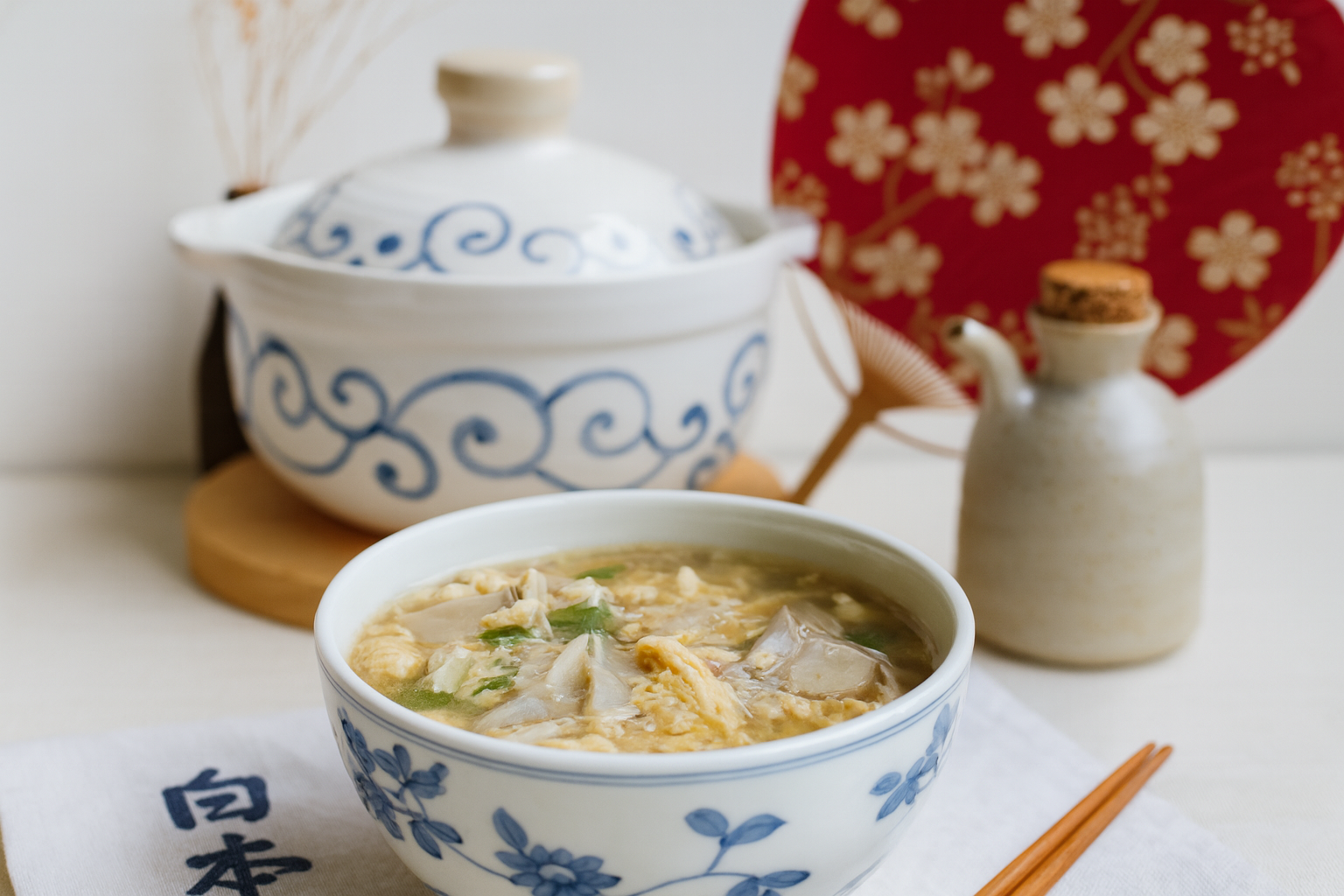
Once the cooking is complete, divide the soup into serving bowls. Make sure each bowl has a balance of mushrooms, egg ribbons, green onion, and tuna. The broth should sit lightly over the ingredients, not bury them. If you want the soup to look brighter, add a few fresh slices of green onion on top before serving.
Presentation Tips
- Use deep bowls that show off the contrast between the white egg strands and the darker mushrooms.
- Serve the soup immediately so the ingredients keep their texture.
- If preparing this for guests, consider placing the mushrooms and tuna near the surface for a more appealing look.
Hana’s Recipe Tips
This soup can be adjusted to fit your taste. If you prefer a stronger flavor, add a little more shio koji at the end, but always start small because its saltiness increases as it cooks. For a softer, milder soup, increase the amount of water slightly. If you want more protein, add extra tuna or a second egg. Hana also recommends using a high-quality shio koji paste because the flavor varies between brands.
Storage and Make-Ahead Tips
Japanese Salted Rice Malt Soup tastes best fresh, but it can be stored if needed.
- Let the soup cool before transferring it to a sealed container.
- Store in the refrigerator for up to two days.
- When reheating, warm it gently over low heat so the eggs do not become tough.
- If the soup thickens after chilling, add a little water when reheating to bring back the original texture.
- Do not freeze this soup because the eggs and mushrooms can turn rubbery.
If you want to prepare ahead, you can chop the vegetables and beat the eggs in advance. Keep them refrigerated separately until ready to cook.
Recipe Variations
Shio Koji Soup is very flexible, and you can adjust the flavor, protein, or vegetables based on what you enjoy or what you have at home. Here are some simple and delicious ways to customize your Japanese Salted Rice Malt Soup:
Try New Flavor Boosters
Add gentle seasonings to deepen or brighten the broth:
- Fresh ginger slices for warmth
- A spoon of miso for richer umami
- A dash of soy sauce for a savory edge
Change the Protein
Swap tuna for a different protein depending on your taste:
- Canned salmon for a richer broth
- Cooked shredded chicken for a mild flavor
- Soft tofu cubes for a vegetarian version
Add More Vegetables
Enhance color, texture, and nutrition with extra vegetables:
- Spinach for a soft, bright green finish
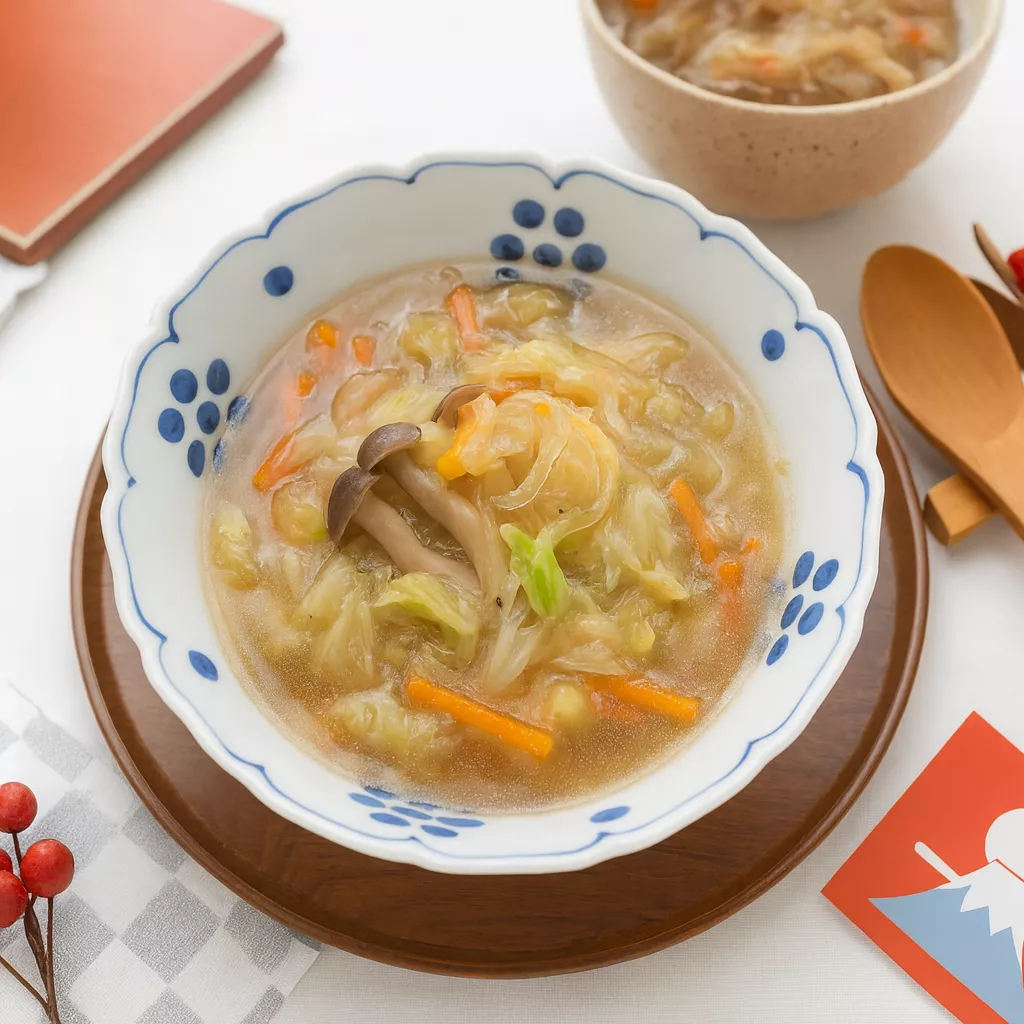
- Napa cabbage for sweetness
- Carrot slices for gentle sweetness and color
Try New Soup Styles
Adjust the base to create slightly different soup experiences:
- Use dashi instead of chicken stock for a more traditional taste
- Add a spoon of miso to make it creamier
- Use chili oil for a mild spicy kick
More Variation Recipes to Try
For more easy soup ideas, try the gentle and flavorful Salt-Koji Soup Umami 塩麹スープのうま味, which highlights the natural depth of shio koji.
You can also enjoy the bold and hearty Dandan Vermicelli Soup 担々麺スープ, a simple noodle soup with rich flavor.

Conclusion
Japanese Salted Rice Malt Soup is a simple recipe that shows how powerful shio koji can be in everyday cooking. With only a few steps and a short cooking time, you can create a bowl of soup that feels warm, balanced, and full of quiet depth. This dish invites you to experiment with ingredients, adjust the broth to your liking, and enjoy the natural flavor that comes from shio koji. Once you learn how easily this recipe comes together, you may find yourself making it again and again.
FAQs
What does shio koji do in the soup?
Shio koji adds mild sweetness, natural umami, and a soft salty taste that blends the ingredients together without overwhelming them.
Can I make this soup without tuna?
Yes. You can replace tuna with salmon, tofu, chicken, or even just mushrooms if you prefer a lighter version.
Is Japanese Salted Rice Malt Soup healthy?
Yes. It is light, low in fat, and includes protein, mushroom nutrients, and fermented seasoning that supports digestion.
How long does the soup take to make?
The entire recipe is usually ready in about fifteen minutes, including preparation and cooking.
Can I reheat the soup?
Yes, but warm it gently over low heat so the eggs stay soft and do not become tough.
Shio Koji Soup: Japanese Salted Rice Malt Soup
Course: MainCuisine: JapaneseDifficulty: Easy2
servings5
minutes10
minutes120
kcalA warm and gentle Japanese soup made with shio koji, maitake mushrooms, tuna, and soft egg ribbons. Light, savory, and ready in minutes, this simple broth highlights the natural umami of salted rice malt.
Ingredients
2 eggs
1 pack maitake mushrooms, separated into small pieces
1 can tuna (80 g), drained
1 long green onion, thinly sliced
600 ml water
1 tablespoon chicken stock granules
2 tablespoons shio koji
2 tablespoons sake (optional but recommended)
Directions
- Prepare the ingredients
Beat the eggs until smooth. Split the maitake mushrooms into small florets. Slice the long green onion thinly. Drain the oil from the tuna so the broth stays light. - Start the broth
Pour the water into a pot and bring it to a gentle boil. Add the maitake mushrooms and green onion, then simmer for about 3 minutes until the vegetables soften. - Build the flavor
Stir in the tuna, chicken stock granules, shio koji, and sake. Mix well and let the soup return to a light boil so the ingredients blend together. - Add the eggs
Slowly drizzle the beaten eggs into the simmering broth. Let the ribbons set, then give the soup one gentle stir. Remove from heat and divide into bowls.
Notes
- ✪ Add the eggs in a thin stream for soft ribbons.
✪ Reduce the heat before adding shio koji to preserve its natural sweetness.
✪ For a vegetarian version, replace tuna with more mushrooms or tofu.
✪ The soup tastes best served immediately while the egg strands are still tender.
Did you make this recipe?
Tag @jp.dishes on Instagram so we can see your delicious creation!