

Have you ever wondered how a simple bowl of soup can feel so light, warm, and comforting at the same time? Japanese home cooking is full of quiet dishes like this, and Kani Tamago Soup is one of them. It looks gentle, tastes clean, and comes together quickly, yet it carries deep flavor and balance in every spoonful.
This soup is often made at home on busy days, served as a side dish, or enjoyed when the body needs something soft and easy. With fluffy eggs, silky tofu, and delicate crab flavor, it is a dish that feels calm and nourishing from the first sip.
What Makes This Recipe Special
Kani Tamago Soup is special because it uses very few ingredients but still feels complete. The soup relies on Japanese soup stock and gentle seasoning rather than heavy spices. Everything is cooked softly so the texture stays light and smooth.

What Is Kani Tamago Soup 蟹と卵のスープ?
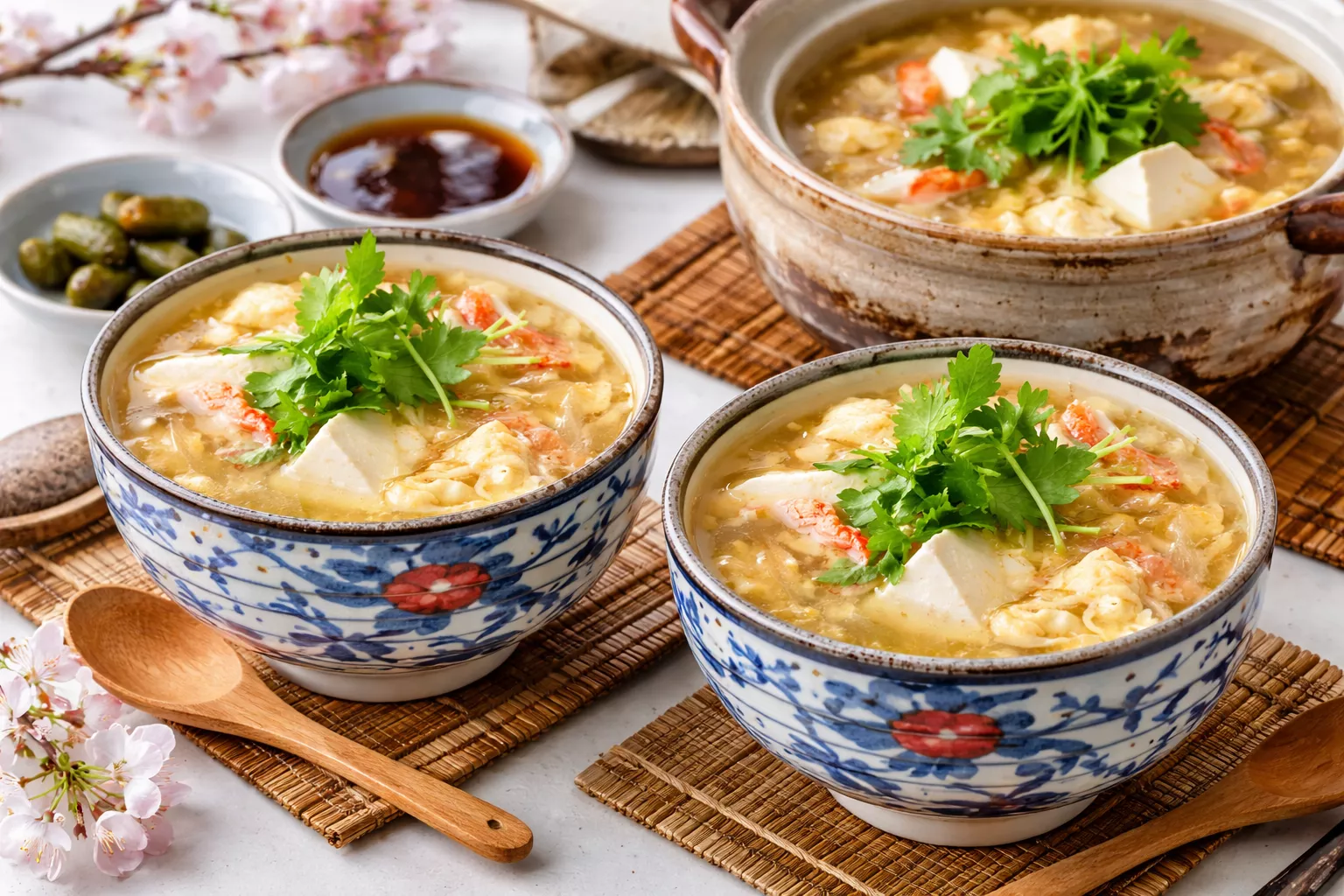
Kani Tamago Soup is a Japanese-style egg drop soup made with crab-flavored kamaboko, tofu, and a clear dashi-based broth. The eggs are poured slowly to create soft ribbons, while the tofu stays tender and the crab adds mild sweetness. This soup is common in Japanese households because it is quick, affordable, and easy to digest. It is often served with rice, as part of a set meal, or alongside heavier dishes to bring balance to the table.
Essential Ingredients and Their Roles
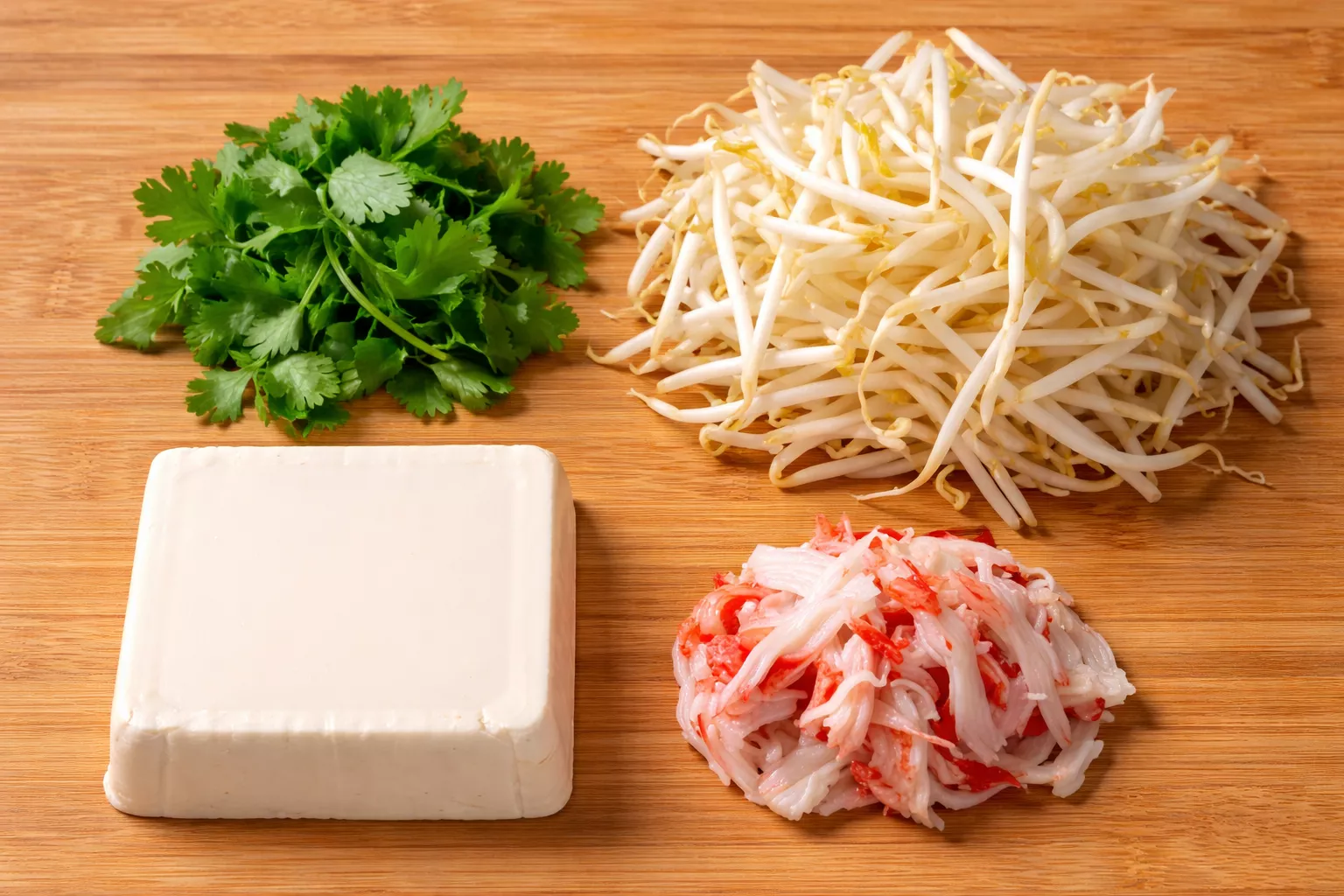
Key Ingredients (材料)
Kani Tamago Soup 蟹と卵のスープThese ingredients create a light, silky Japanese soup with gentle umami. Each item plays a small but important role in texture, flavor, and balance.

Step-by-Step Instructions
Step 1: Prepare the Broth
Pour the water into a medium pot and add white dashi, light soy sauce, salt, and dashi powder. Heat over medium heat until the broth gently boils. Add the bean sprouts and simmer briefly until they soften. Stir in the dissolved potato starch and mix well until the soup lightly thickens.

Step 2: Add the Egg
Lower the heat slightly. Slowly pour the beaten egg into the soup in a thin stream while gently stirring in one direction. Allow the egg to set into soft ribbons before lightly mixing once.

Step 3: Add Tofu and Crab
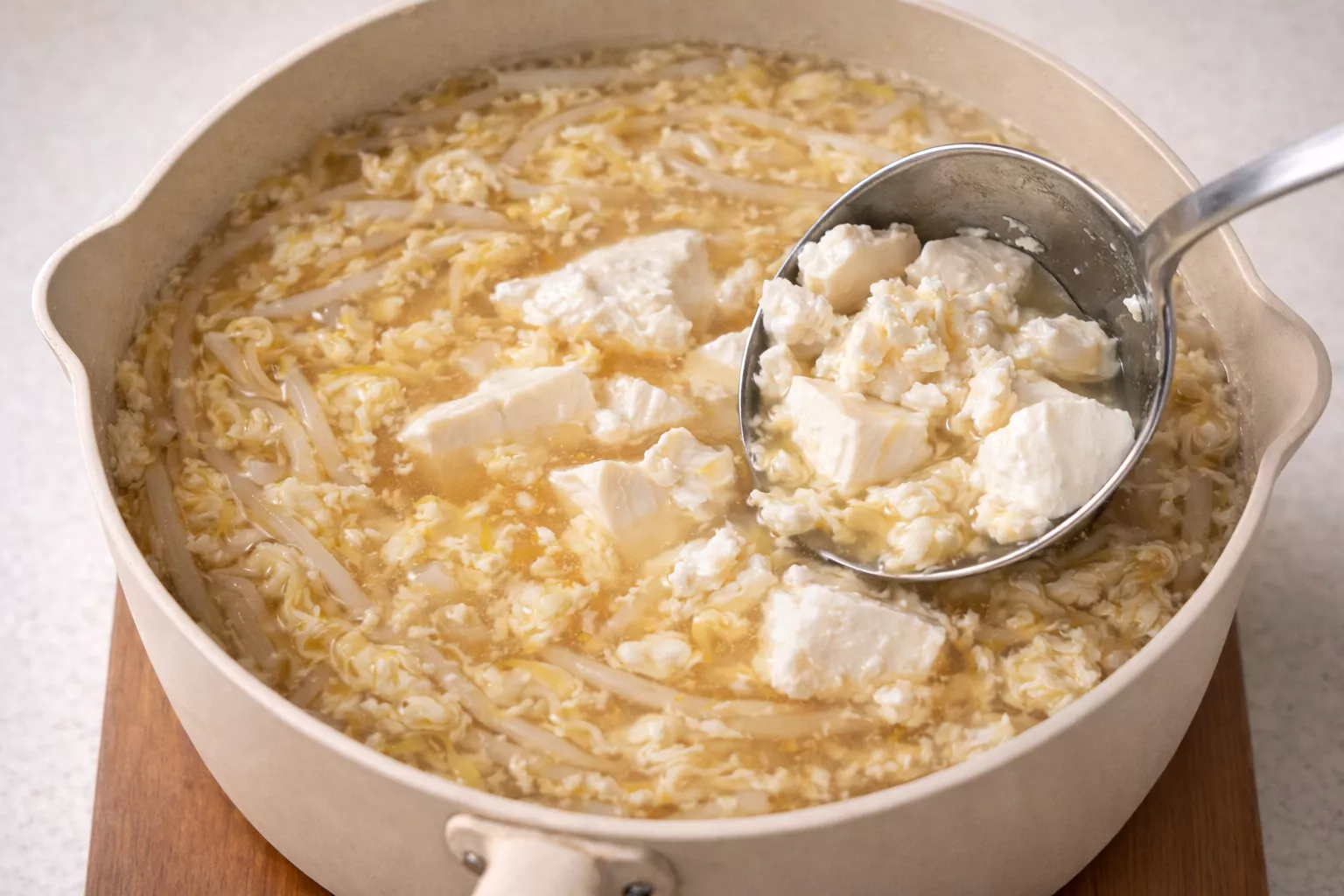
Reduce the heat to low. Add the silken tofu and gently break it into large pieces using a ladle. Add the crab-flavored kamaboko and warm everything without boiling.

Step 4: Finish and Serve
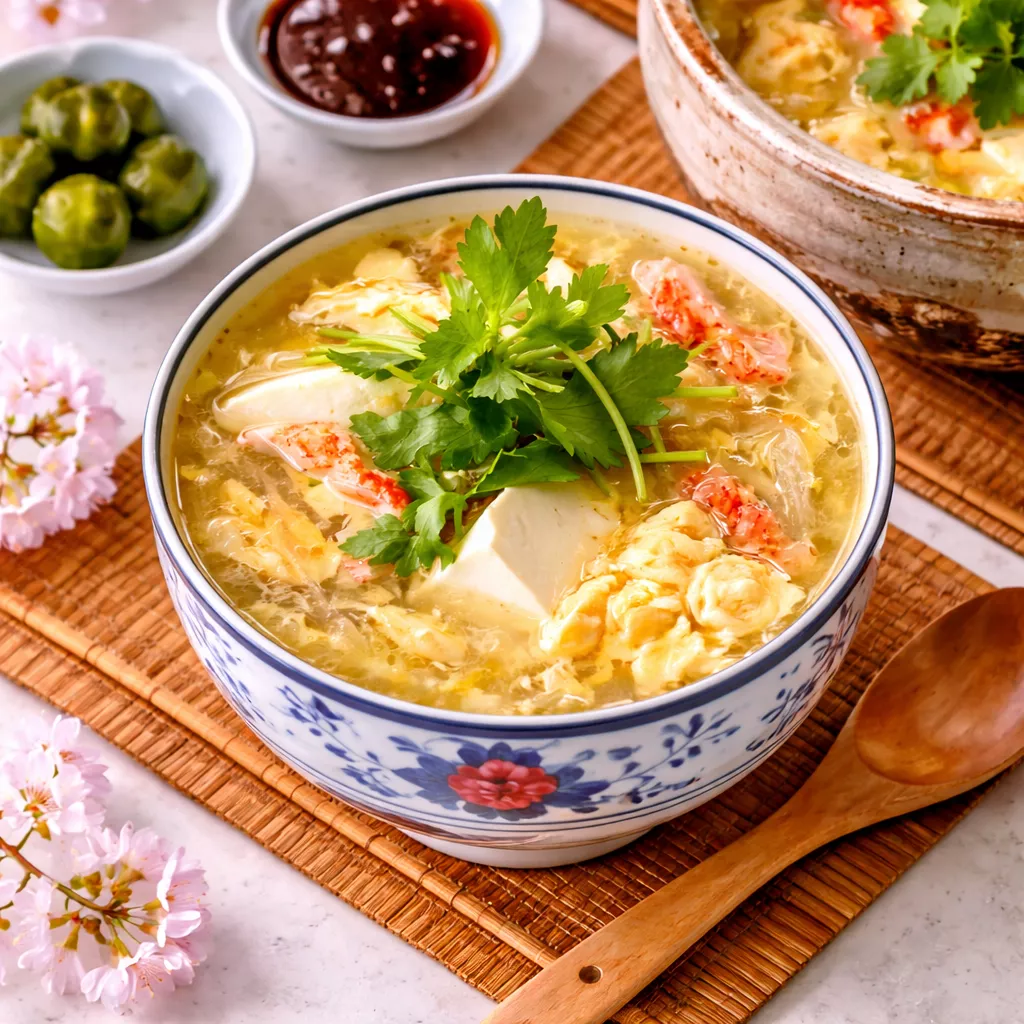
Turn off the heat and add the thread agar. Let it soften in the hot soup. Serve in bowls and top with mitsuba or green onion. Add a drop of sesame oil if desired.

Assembly and Presentation
Start with the broth as the foundation, then layer textures carefully. The egg should float softly, the tofu should remain visible, and the crab pieces should be spread evenly. Serve the soup in simple Japanese bowls to highlight its pale color. A small green garnish on top adds contrast and freshness without overpowering the dish.

Hana’s Recipe Tips
- Tear kamaboko by hand instead of cutting for a natural look
- Add agar only after turning off the heat to keep it tender
- Use silken tofu for the smoothest texture
- Serve immediately for best flavor and appearance
Storage and Make-Ahead Tips
Kani Tamago Soup is best enjoyed fresh, but it can be stored if needed.
- Store in an airtight container in the refrigerator for up to 2 days
- Reheat gently on low heat to avoid breaking the egg and tofu
- Do not boil when reheating
- Add fresh garnish after reheating, not before
Freezing is not recommended, as eggs and tofu lose texture.
Recipe Variations
Kani Tamago Soup is gentle and flexible, making it easy to adjust with small changes. These variations let you adapt the soup using simple Japanese ingredients while keeping its light character.
Change the Protein
Swap or add protein for a different texture:
- Small shrimp for extra seafood flavor
- Thin chicken slices for a heartier soup
- Extra tofu for a vegetarian-friendly version
Add Seasonal Vegetables
Light vegetables blend well into the broth:
- Napa cabbage for softness
- Spinach or komatsuna for color
- Thin carrot strips for mild sweetness
Adjust the Flavor
Small seasoning changes can shift the taste:
- Add grated ginger for warmth
- Use white pepper for gentle spice
- Finish with a few drops of sesame oil
Change the Serving Style
Serve the soup differently depending on the meal:
- As a light starter before a main dish
- With rice for a simple meal
- In small bowls as part of a Japanese set meal
More Japanese Soup Recipes to Try
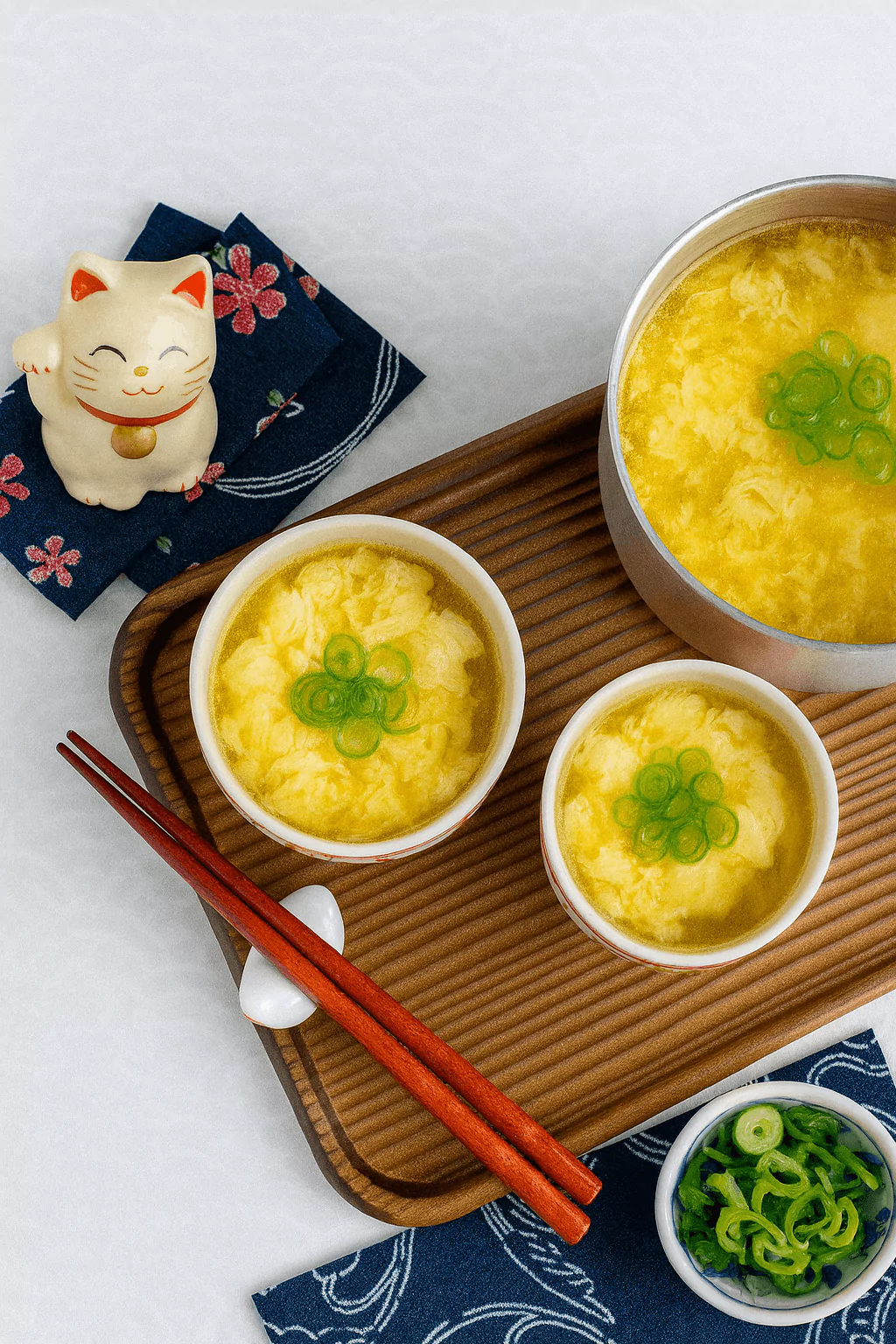
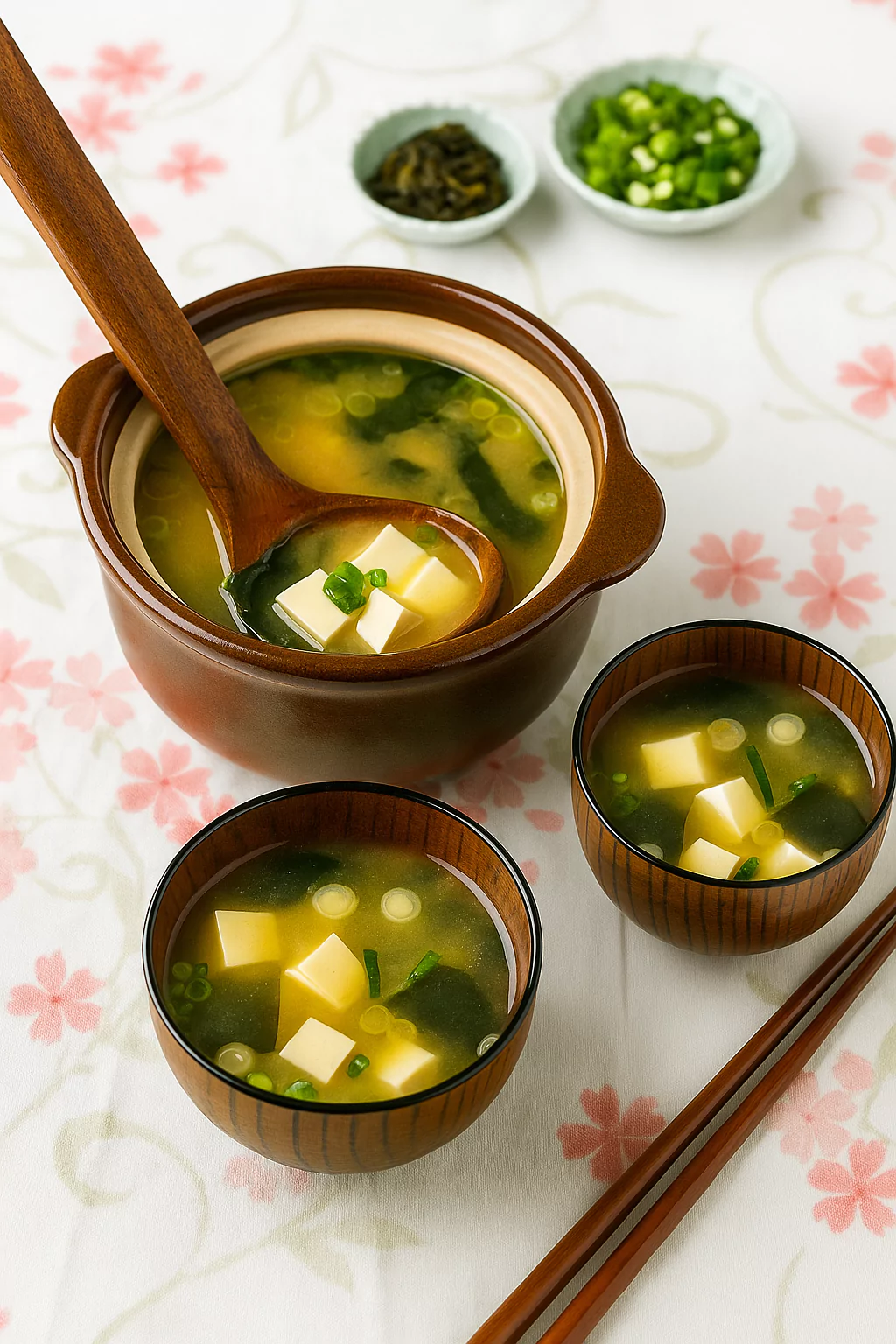
If you enjoy the gentle taste of Kani Tamago Soup, you may also like other classic Japanese soups that are simple, warming, and easy to prepare at home. Japanese Egg Drop Soup (Kakitamajiru) かきたま汁 features soft egg ribbons in a clear dashi broth with a smooth and comforting flavor. Another timeless option is Japanese Homemade Miso Soup 味噌汁, a daily staple in Japan made with fermented miso paste, tofu, and seaweed that offers deep umami and nourishing warmth. Both soups pair well with rice and are perfect for everyday meals.
Conclusion
Japanese Kani Tamago Soup is a perfect example of how simple cooking can feel complete and satisfying. With soft eggs, smooth tofu, and a clean dashi broth, this soup fits into everyday meals and special moments alike. It is quick to prepare, easy to customize, and gentle on the body. Once you make it, it often becomes a regular part of home cooking.
FAQs
Is Kani Tamago Soup healthy?
Yes. It is low in fat, high in protein, and easy to digest.
Can I make it without crab?
Yes. You can omit kamaboko or replace it with vegetables.
Why is my egg not fluffy?
The broth may be too hot or stirred too much.
Can I use cornstarch instead of potato starch?
Yes, but potato starch gives a smoother texture.
Can I make this soup ahead of time?
It can be made earlier in the day but tastes best fresh.
Japanese Kani Tamago Soup 蟹と卵のスープ
Course: Main CoursesCuisine: JapaneseDifficulty: Easy2–3
servings5
minutes10
minutes~120
kcalA light and comforting Japanese soup made with fluffy egg ribbons, soft tofu, and gentle crab flavor in a clear dashi broth. Quick to prepare and perfect for everyday meals.
Ingredients
Bean sprouts – 200 g
Silken tofu – 150 g
Crab-flavored kamaboko – 40 g
Egg – 1 large
Thread agar (for soup) – 1 small handful
Mitsuba or green onion – to taste
- Soup Base
Water – 800 ml
Light soy sauce – 1 tablespoon
White dashi – 2 tablespoons
Salt – ½ teaspoon
Japanese dashi powder – 1 teaspoon
- Thickener
Potato starch – 1½ tablespoons
Water – 2 tablespoons (for dissolving starch)
Directions
- Add water, light soy sauce, white dashi, salt, and dashi powder to a pot. Heat over medium heat until gently boiling, then add the bean sprouts and simmer briefly.
- Stir in the dissolved potato starch and cook until the broth becomes lightly thickened. Lower the heat and slowly drizzle in the beaten egg while gently stirring to form soft ribbons.
- Reduce heat to low. Add the silken tofu and break it into large pieces using a ladle. Add the crab-flavored kamaboko and warm without boiling.
- Turn off the heat and add the thread agar. Let it soften in the hot soup. Serve in bowls and garnish with mitsuba or green onion.
Notes
- ✪ Keep the soup at a gentle simmer to maintain a clear broth.
✪ Add the egg slowly for fluffy texture.
✪ Do not boil after adding tofu to prevent breaking it.
✪ Best enjoyed fresh, but can be reheated gently on low heat.
Did you make this recipe?
Tag @jp.dishes on Instagram so we can see your delicious creation!