
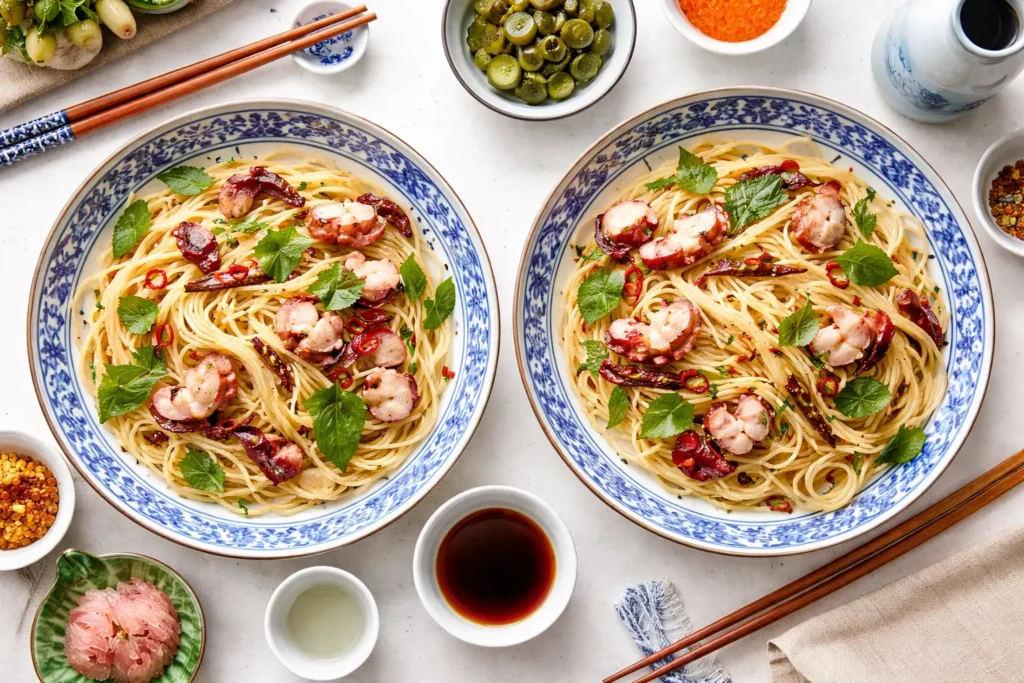
Have you ever wondered how Japanese cooking turns a few simple ingredients into something that tastes deep, fresh, and comforting at the same time? This Japanese-style Octopus & Shiso Leaf pasta is a perfect example. It mixes the soft bite of octopus, the bright aroma of shiso leaves, and the gentle umami of dashi into one easy and satisfying dish. This recipe brings Japanese flavor into a familiar pasta meal without making it complicated.
What Makes This Recipe Special
Japanese-style Octopus & Shiso Leaf pasta is special because it blends two food cultures into one plate. Pasta gives the dish comfort and fullness, while Japanese ingredients add clean flavor and balance. The dish is light but rich, simple but elegant.
This recipe takes about 20 minutes from start to finish. The cooking process is fast and smooth, making it perfect for busy days or relaxed evenings. The difficulty level is easy, even for beginners. There are no hard techniques, and everything cooks quickly in one pan.
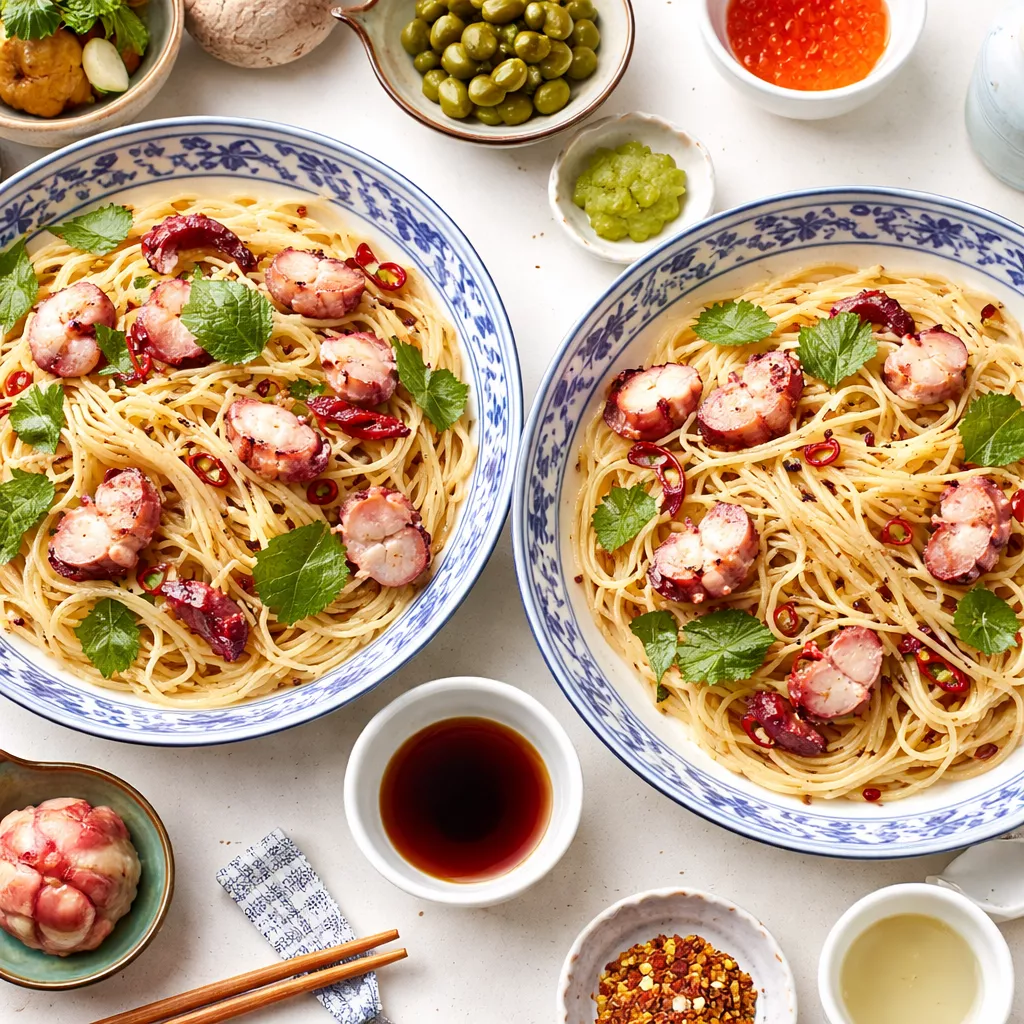
What Is Japanese-style Octopus & Shiso Leaf Pasta?
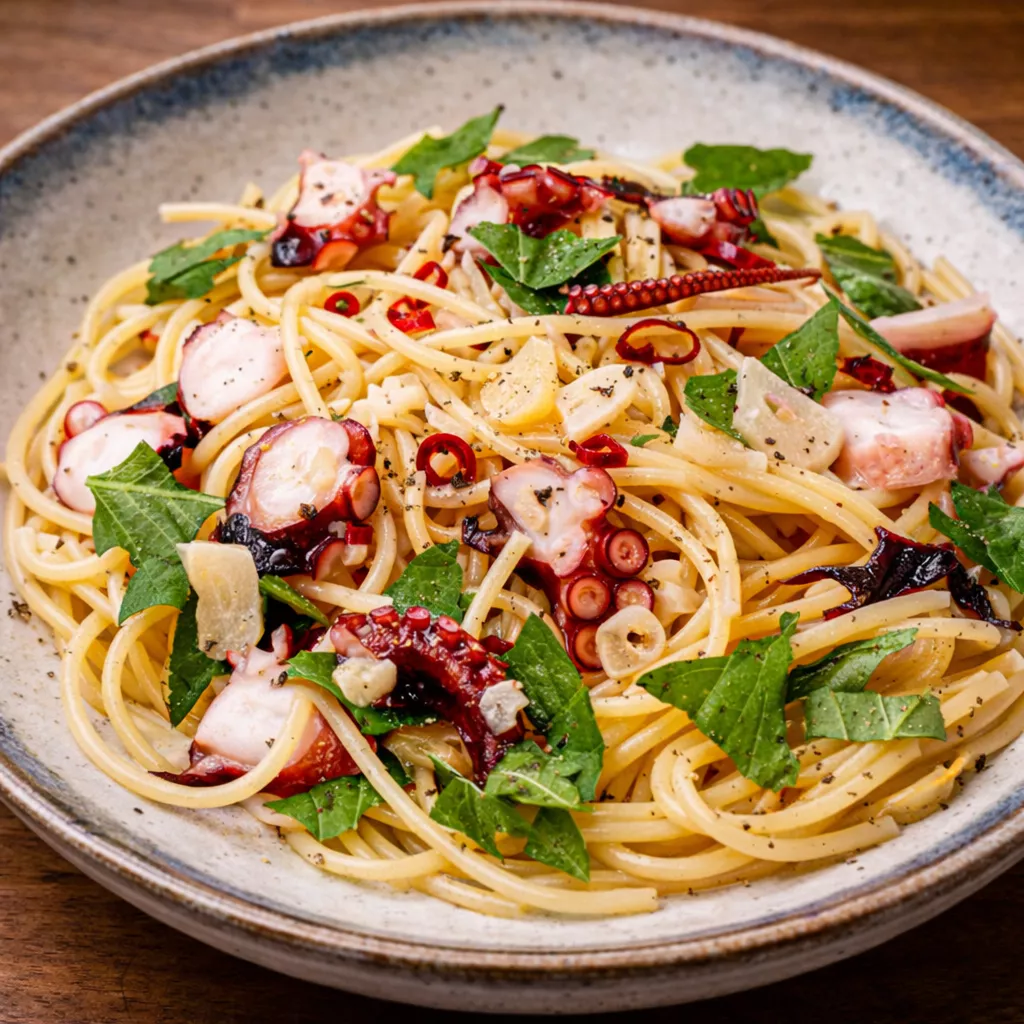
Japanese-style Octopus & Shiso Leaf pasta is a Japanese-inspired dish where tender octopus is lightly cooked with garlic and chili, then mixed with pasta, dashi, and fresh shiso leaves. Shiso, also known as perilla, has a fresh taste that feels like a mix of mint and basil. When combined with octopus, it creates a clean seafood flavor that feels light but full.
Essential Ingredients and Why They Matter
Key Ingredients (材料)
Octopus & Shiso LeafThese carefully chosen ingredients bring together Japanese umami and light pasta comfort. Each item plays a clear role in balancing flavor, aroma, and texture.
Step-by-Step Instructions
Step 1: Prepare the Ingredients
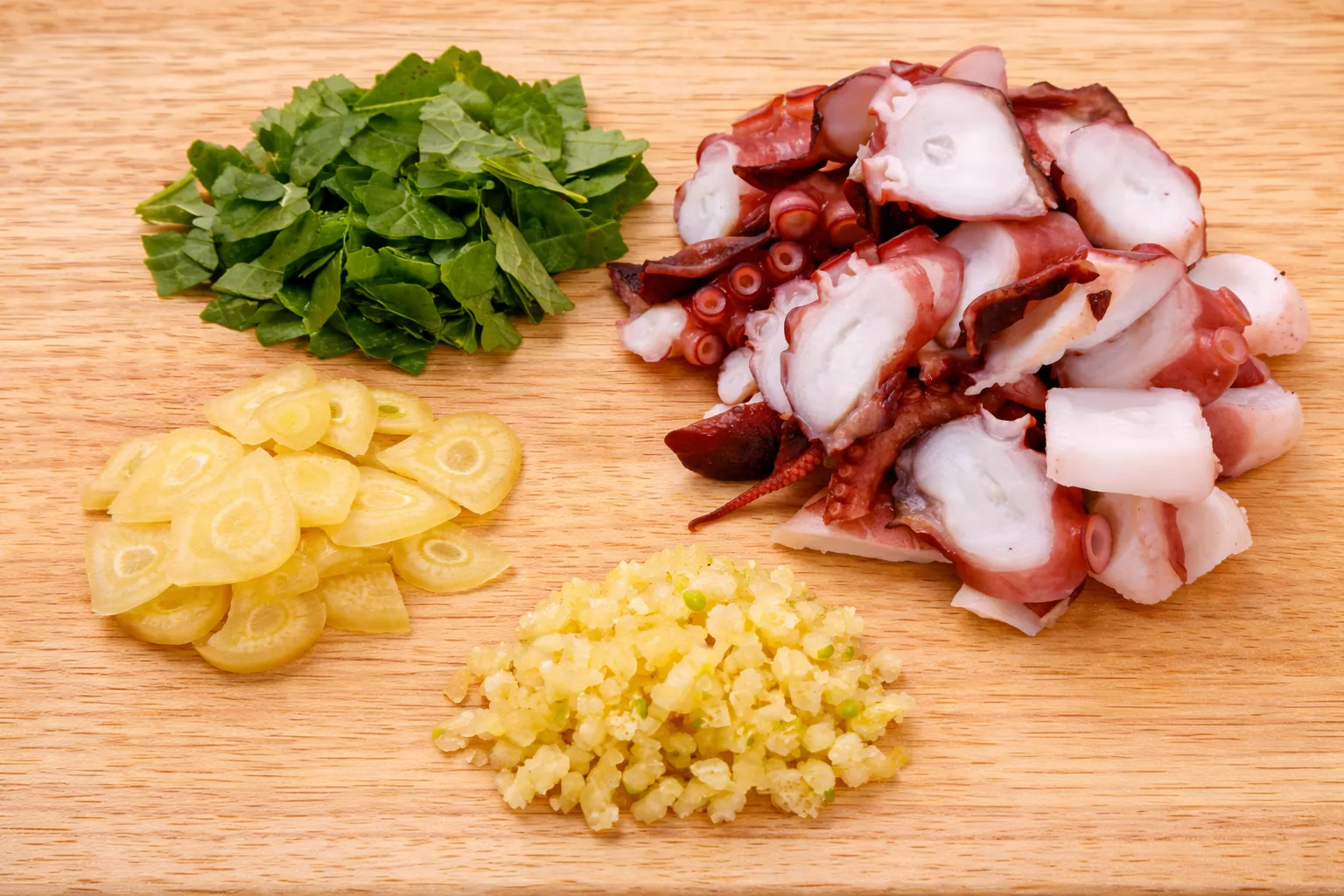
Slice one clove of garlic thinly and finely chop the second clove. Cut the octopus into small, bite-size pieces and gently pat dry. Stack the shiso leaves, roll them, and tear them by hand into thin strips. Set everything aside.
Step 2: Cook the Pasta and Build the Oil
Bring a large pot of water to a boil and season well with salt. Cook the pasta until just tender. While the pasta cooks, add olive oil, sliced garlic, chopped garlic, and chili to a pan. Heat slowly over low heat until the garlic becomes fragrant but not brown.

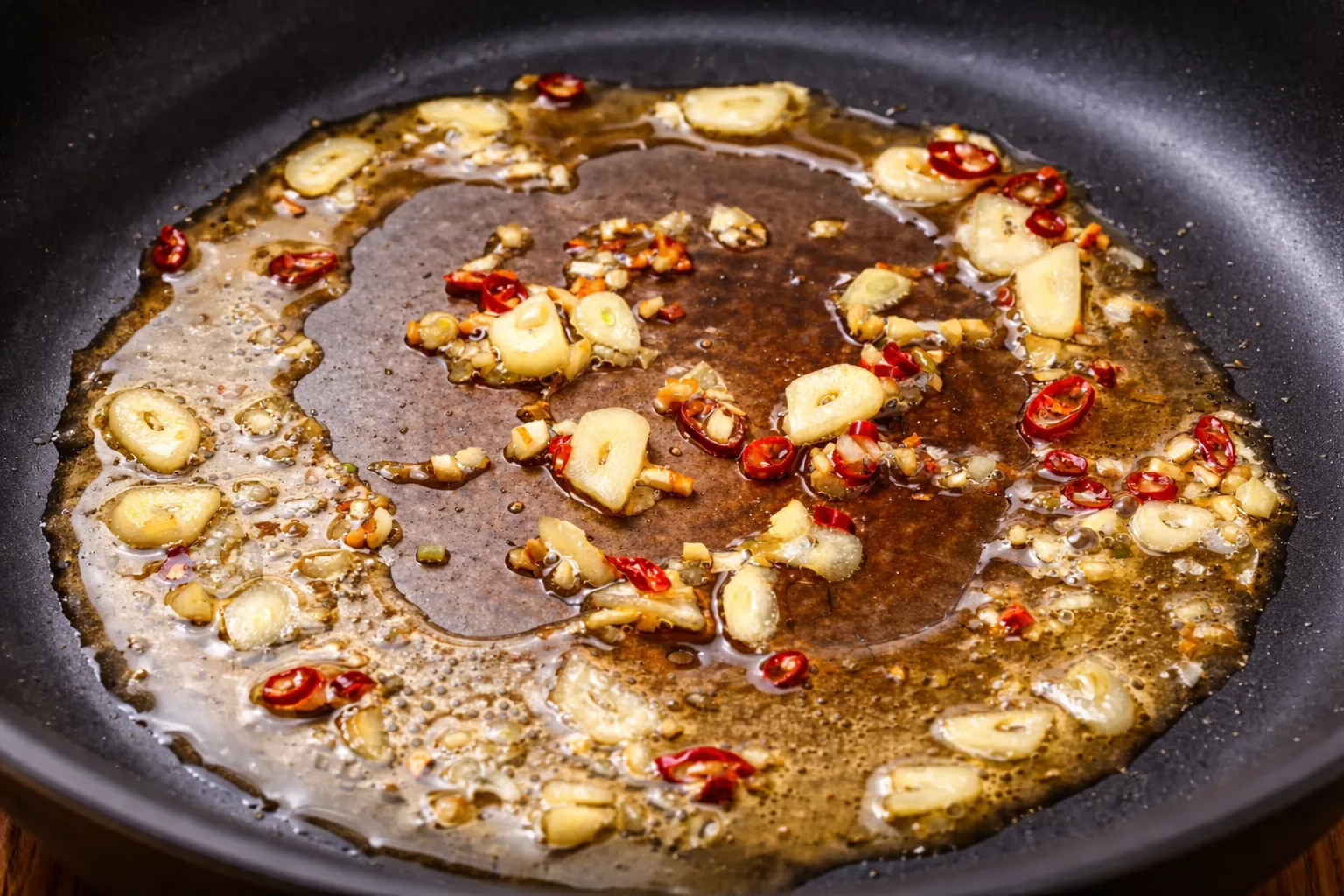
Step 3: Add Octopus and Umami
Add the octopus to the pan and cook briefly to warm it through. Sprinkle in hon-dashi and add one ladle of pasta cooking water. Turn the heat higher and stir quickly so the sauce becomes smooth and lightly glossy.
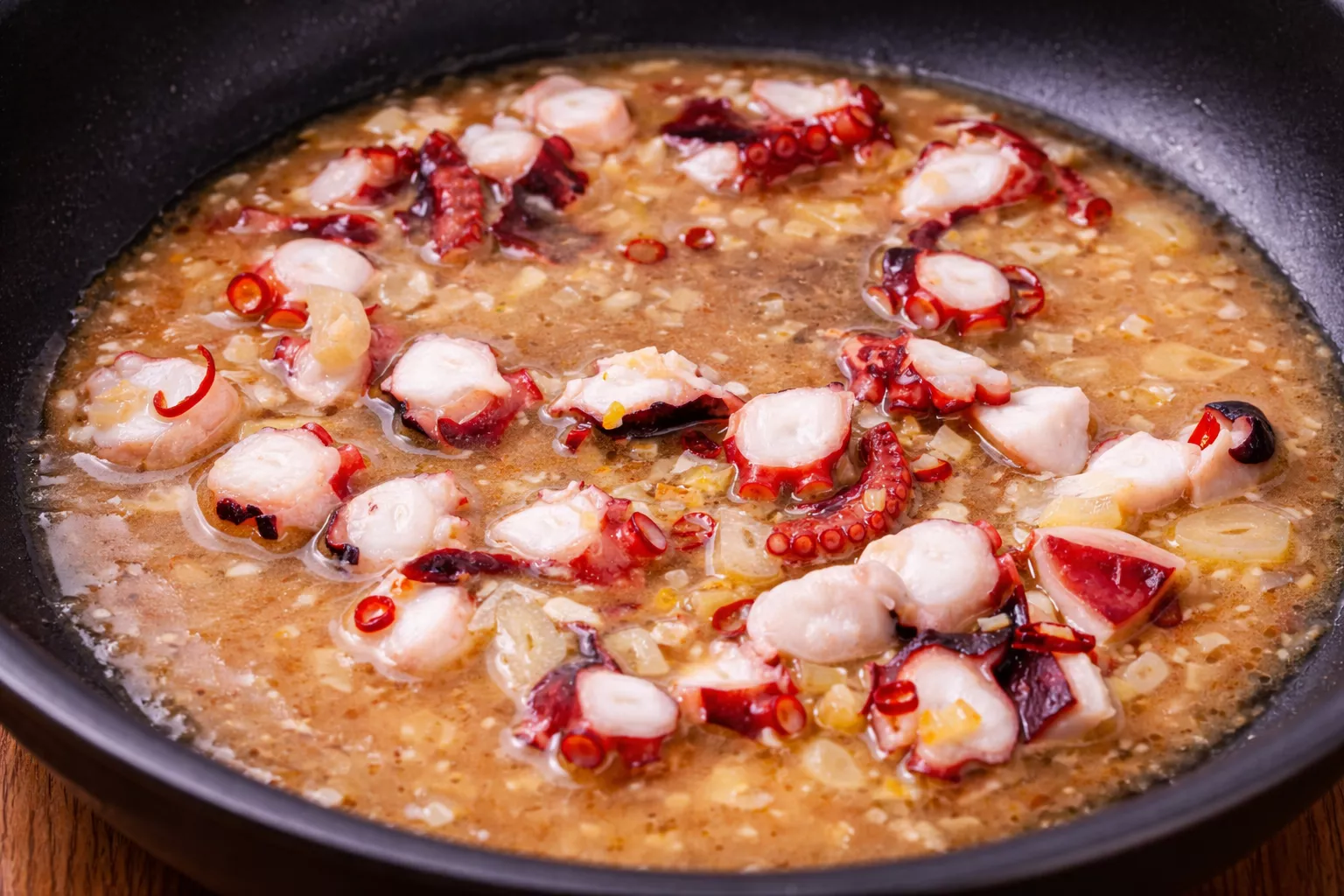
Step 4: Combine and Finish
Drain the pasta and add it directly to the pan. Toss well so the sauce coats every strand. Season lightly with soy sauce, salt, and black pepper. Turn off the heat and gently mix in the shiso leaves. Serve immediately.
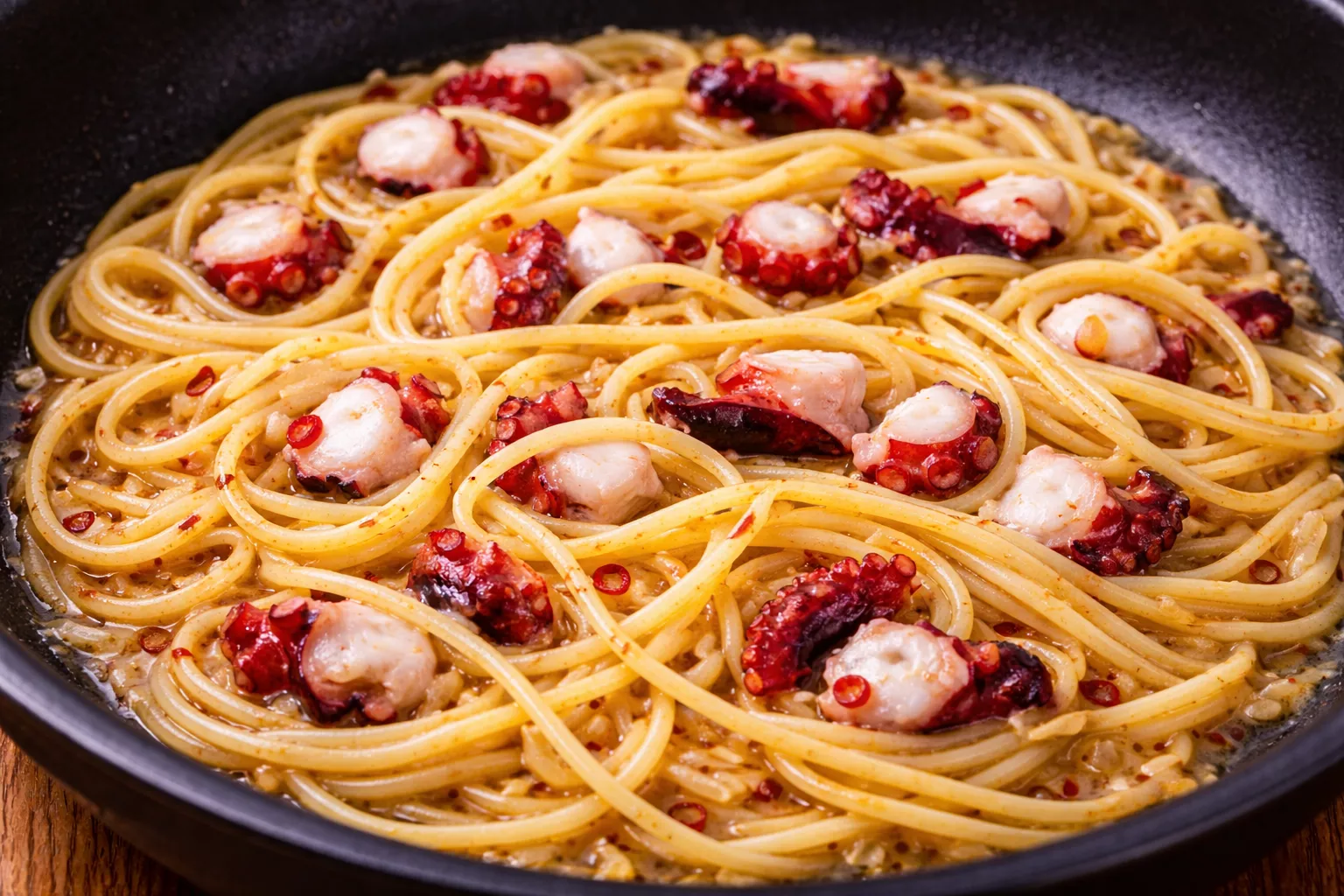
Secrets to Success and Expert Tips
These simple but important tips will help you make flavorful, well-balanced, and perfectly textured Octopus & Shiso Leaf pasta every time:
-
♥
Warm the octopus gently
Octopus is already cooked, so it only needs a short time in the pan. Overheating can make it firm instead of tender. -
♥
Cook garlic slowly over low heat
Gentle heat allows the garlic to release aroma without burning, creating a smooth and fragrant base for the sauce. -
♥
Use pasta water wisely
Adding a small amount of pasta cooking water helps the dashi blend with the oil and coat the noodles evenly. -
♥
Season lightly and taste as you go
Japanese-style pasta should feel balanced and clean, so avoid heavy seasoning and let the natural flavors stand out. -
♥
Add shiso leaves at the very end
Mixing in shiso after turning off the heat keeps its fresh aroma bright and prevents bitterness.
Assembly and Presentation
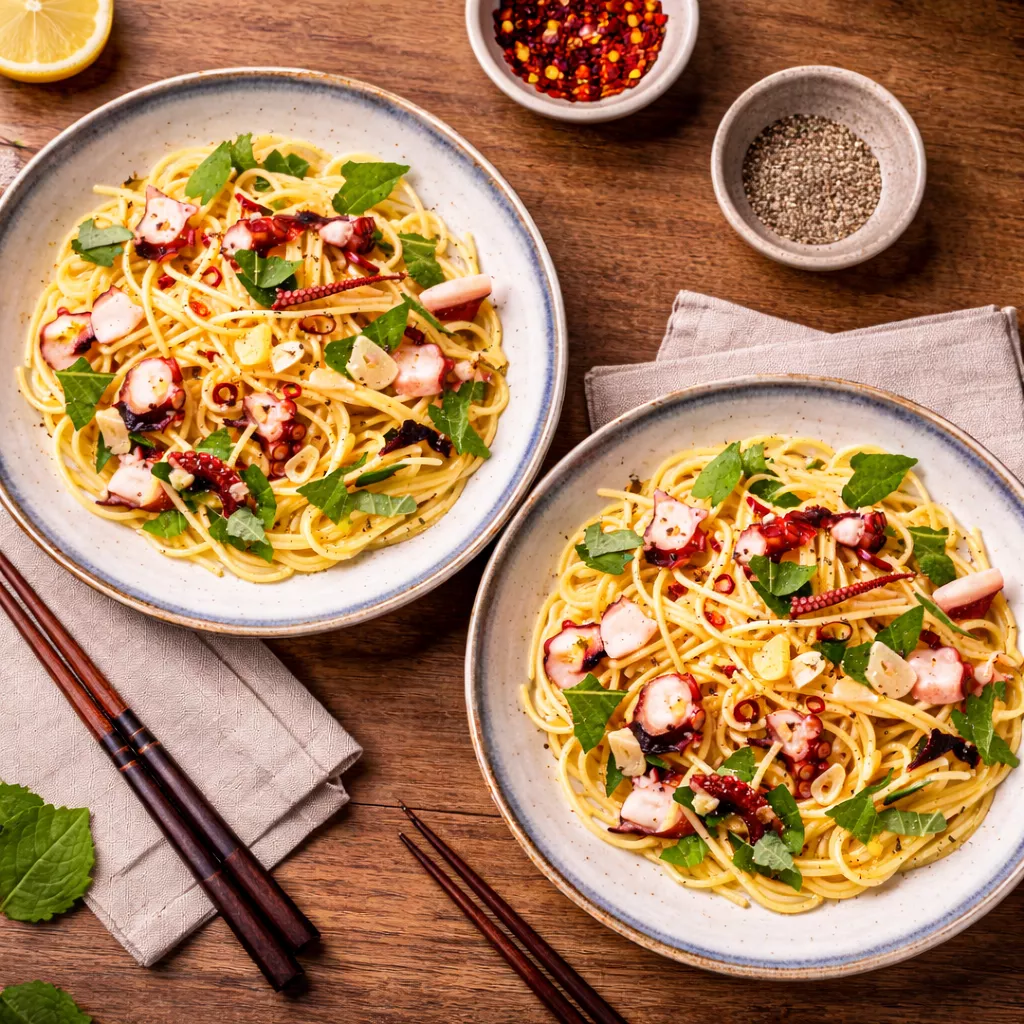
Once everything is mixed in the pan, twist the pasta neatly into bowls using tongs. Place a few visible pieces of octopus on top so the dish looks balanced. Sprinkle extra shiso leaves just before serving for color and freshness. A light drizzle of olive oil can add shine.
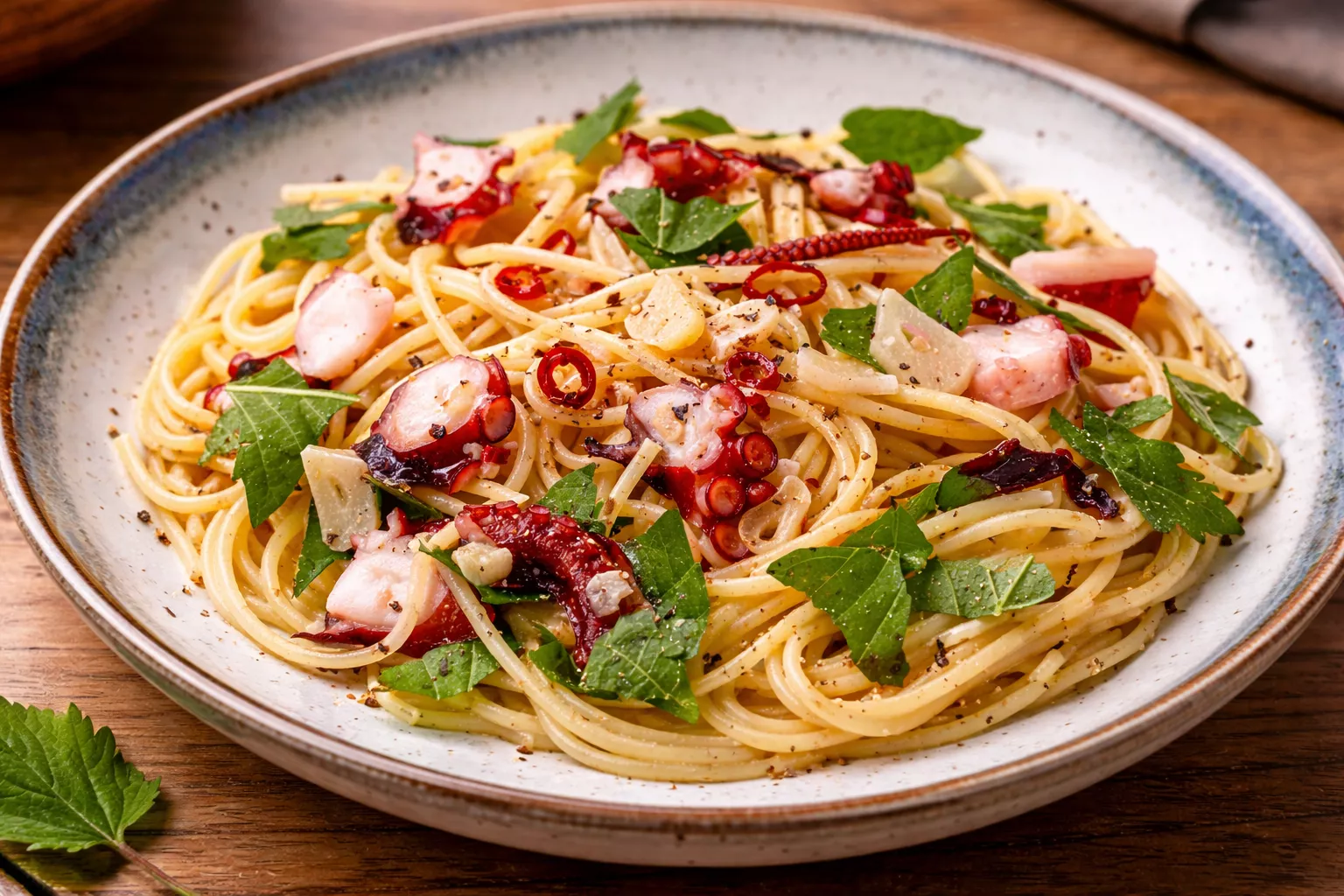
Hana’s Recipe Tips
For the best taste, always use fresh shiso leaves and add them after the heat is turned off. Tear the leaves by hand instead of cutting to keep their natural aroma. Keep the seasoning light so the octopus flavor stays clear and clean.
Storage and Make-Ahead Tips
This dish is best enjoyed fresh, but leftovers can be stored in an airtight container in the refrigerator for up to 24 hours. Reheat gently in a pan with a small splash of water or olive oil. Avoid microwaving too long, as it can make the octopus firm. Shiso leaves may darken, so fresh leaves can be added again when reheating.
Recipe Variations
Octopus & Shiso Leaf pasta is easy to adjust. You can change the heat level, add more Japanese flavor, or switch the texture to match what you like and what you have in your kitchen. Here are some simple ways to customize it.
Boost the Japanese Umami
Try one of these small upgrades for deeper Japanese flavor:
- Add 1 teaspoon soy sauce for a richer finish
- Stir in 1 teaspoon mentsuyu for a gentle sweetness
- Sprinkle a pinch of kombu powder for extra umami
Adjust the Spice
Make it mild or spicy based on your taste:
- Use only a tiny pinch of chili for gentle warmth
- Add chili oil for a stronger kick and shine
- Top with shichimi togarashi for a Japanese-style spicy finish
Add More Texture
Mix in simple ingredients that match the Japanese style:
- Shimeji mushrooms for a soft bite
- Thin-sliced nori strips for aroma
- Grated daikon (small amount) for a light, fresh taste
Try New Serving Styles
Serve your pasta in different ways for a fresh look and feel:
- Top with extra shiso and toasted sesame seeds
- Serve in a shallow Japanese bowl with nori on the side
- Add a small lemon wedge for a bright finish
More Japanese Recipes to Try
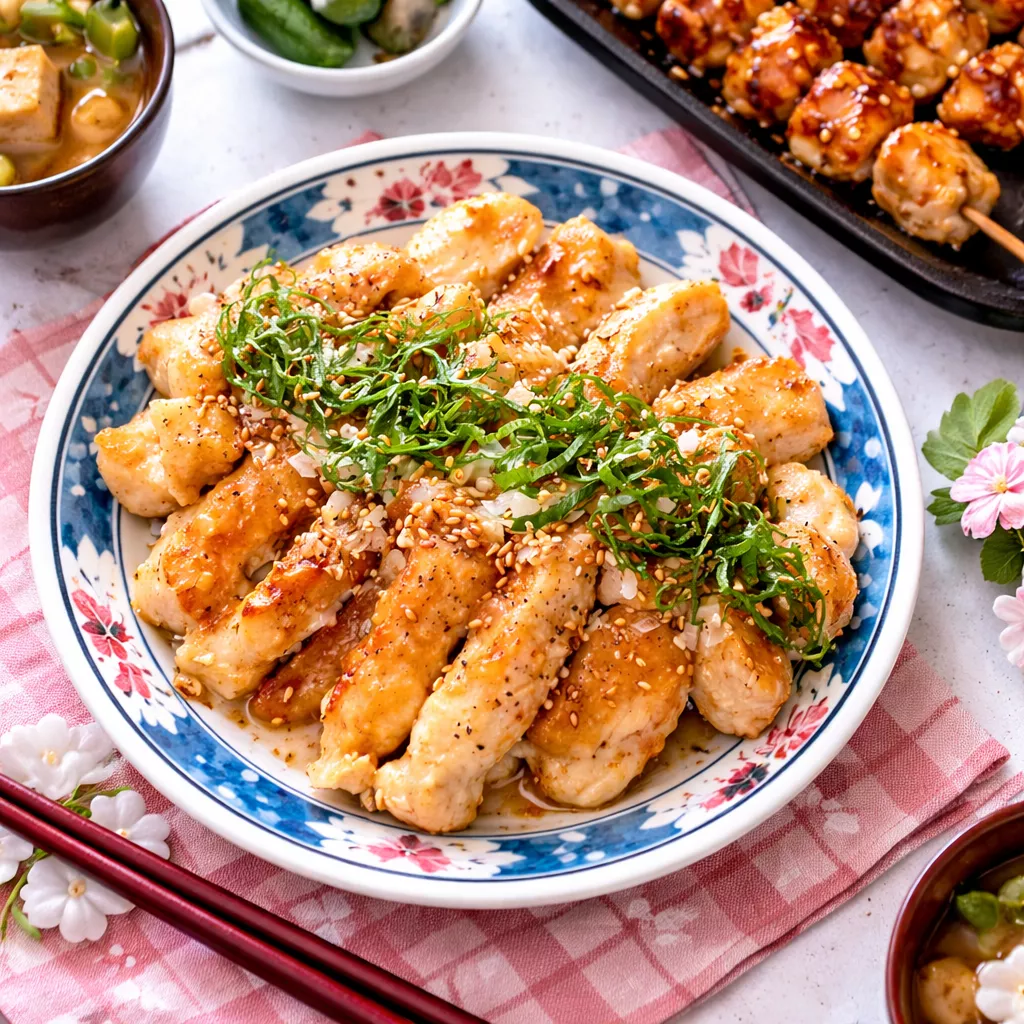
If you enjoy simple Japanese-style dishes like Octopus & Shiso Leaf pasta, there are other easy recipes worth adding to your table. Stick Chicken スティックチキン is a popular Japanese home-style dish made with juicy chicken pieces cooked until golden and flavorful. It is easy to prepare and works well as a main dish or side. You can find the full recipe here:
https://www.japandishes.com/stick-chicken-japanese-chicken-recipe/
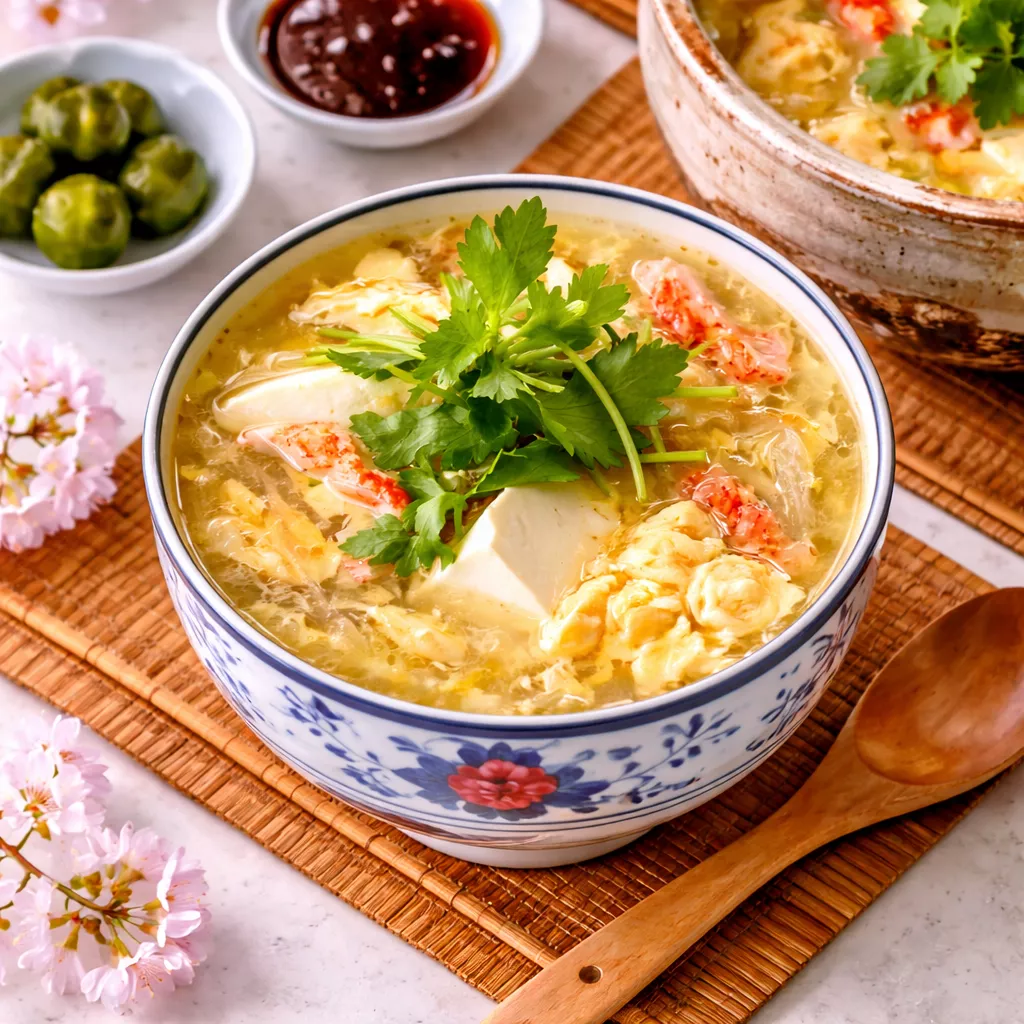
Another comforting option is Japanese Kani Tamago Soup 蟹と卵のスープ, a light and warming soup made with fluffy eggs and crab-flavored fish cake. This soup is gentle, quick to cook, and perfect as a starter or light meal.
Conclusion
Japanese-style Octopus & Shiso Leaf pasta is a simple dish that shows how Japanese flavors can transform everyday ingredients. It is quick to make, light on the stomach, and full of clean umami taste. With just a few steps and thoughtful seasoning, this recipe brings elegance and comfort to the table. It is easy to customize and perfect for both beginners and experienced cooks.
FAQs
Can I use raw octopus?
Pre-boiled octopus is recommended for best texture and ease. Raw octopus requires longer cooking.
Is shiso necessary?
Shiso gives the dish its signature aroma, but it can be replaced if unavailable.
Is this dish healthy?
Yes. Octopus is high in protein and low in fat, while shiso leaves add vitamins and antioxidants.
Can I make it spicy?
Yes. Increase the amount of chili or use Japanese chili oil.
How long does it stay fresh?
For best flavor, eat within one day and store properly in the refrigerator.
Japanese-style Octopus & Shiso leaf Pasta
Course: MainCuisine: JapaneseDifficulty: Easy2
servings10
minutes10
minutes420
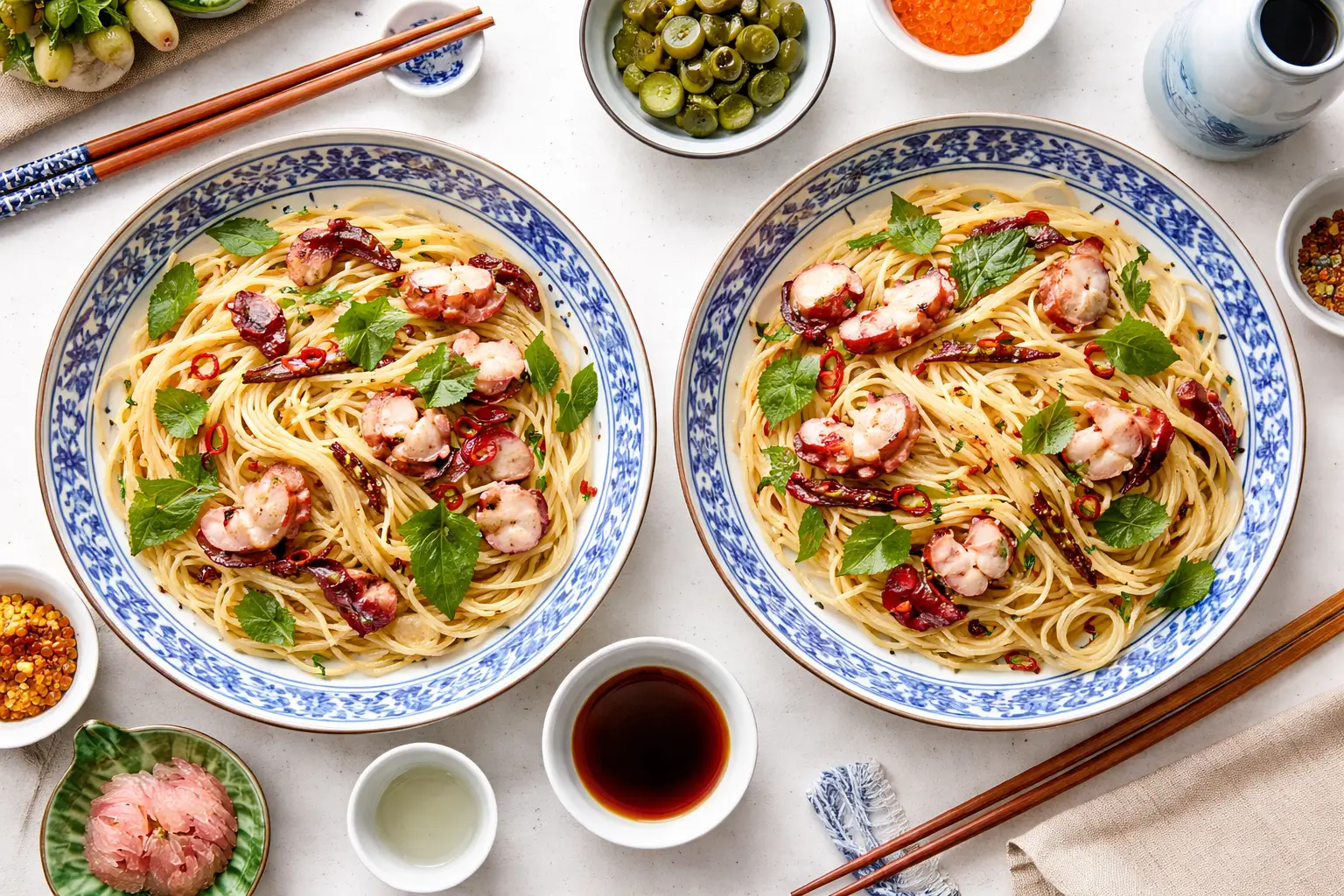
kcalA light Japanese-style pasta made with tender octopus, fragrant shiso leaves, garlic, and dashi. This quick recipe blends clean seafood flavor with simple ingredients for an easy and satisfying meal.
Ingredients
200 g spaghetti
120 g boiled octopus, cut into bite-size pieces
5 shiso (perilla) leaves, torn by hand
2 cloves garlic (1 sliced, 1 finely chopped)
1 dried Japanese chili pepper (adjust to taste)
2 tablespoons olive oil
½ teaspoon hon-dashi
½ teaspoon soy sauce
Salt, as needed
Black pepper, as needed
Pasta cooking water, as needed
Directions
- Bring a large pot of water to a boil and season well with salt. Cook the spaghetti until just tender. While the pasta cooks, prepare the garlic, octopus, and shiso leaves.
- Heat olive oil in a pan over low heat. Add the sliced and chopped garlic along with the chili pepper. Cook gently until the garlic becomes fragrant without browning.
- Add the octopus to the pan and stir briefly to warm it. Sprinkle in the hon-dashi and add one ladle of pasta cooking water. Increase the heat and stir to create a light sauce.
- Drain the pasta and add it directly to the pan. Toss well to coat. Season with soy sauce, salt, and black pepper. Turn off the heat and gently mix in the shiso leaves before serving.
Notes
- ✪ Octopus is already cooked, so avoid heating it too long to keep it tender.
✪ Add shiso leaves only after turning off the heat to preserve their fresh aroma.
✪ Adjust the amount of chili for mild or spicy flavor.
✪ This pasta is best served immediately for the cleanest taste.
Did you make this recipe?
Tag @jp.dishes on Instagram so we can see your delicious creation!