
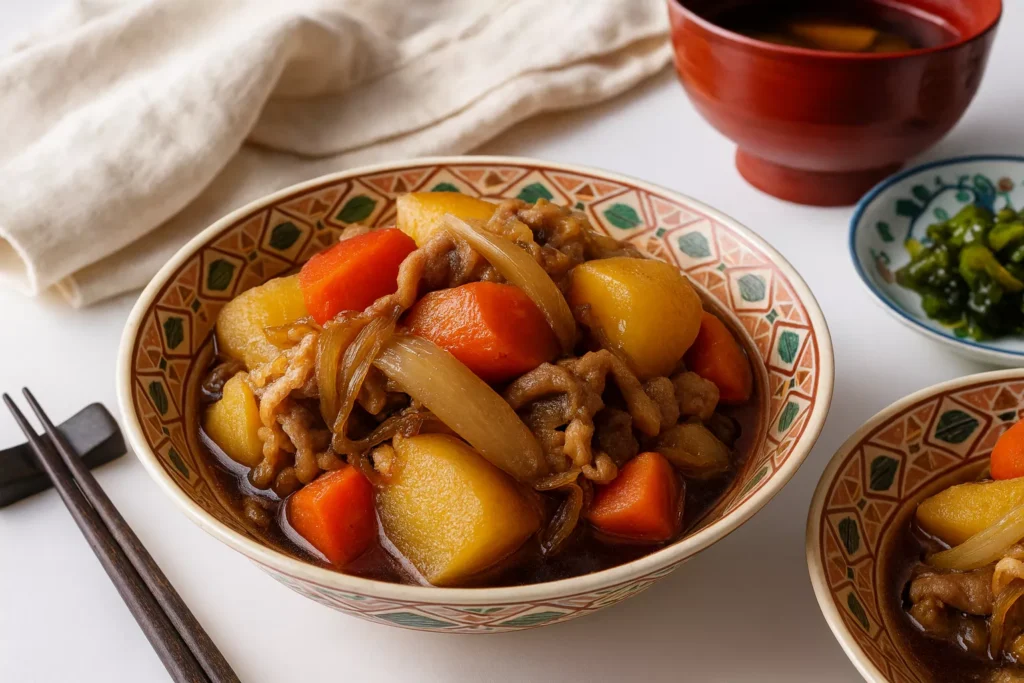
Have you ever tasted a dish so simple and comforting that it makes you wonder why it feels so special? Japanese Nikujaga 肉じゃが is one of those recipes. Many people think a great stew needs long cooking or many fancy ingredients. But is that really true? This recipe answers that question in the best way. With only a few basic items and an easy method, you can create a warm and rich Meat and Potato Stew that feels like a homemade hug. As you read, you will discover how quick, gentle, and satisfying Nikujaga can be, even for beginners.
Overview
Nikujaga, which translates directly to “meat and potatoes,” is a classic Japanese simmered dish made by cooking thinly sliced meat, vegetables, and shirataki noodles in a gently sweetened soy broth. The result is a warm, comforting stew enjoyed in many Japanese homes. Everything cooks into a soft, tender stew that warms you from the inside out.
This recipe is perfect for busy days. It takes a short amount of time to prepare, and each step is easy to follow. Even new cooks can handle it without stress. The flavors are deep but gentle, and the dish remains light, thanks to the Japanese-style broth and the balance of sweet and salty notes.

What Is Japanese Nikujaga 肉じゃが: Meat and Potato Stew?
Nikujaga literally means “meat and potatoes.” It is a traditional Japanese stew that blends sliced meat, vegetables, and shirataki noodles into a cozy dish with a slightly sweet soy-based broth. Unlike heavy Western stews, Nikujaga has a clean taste. The potatoes and carrots absorb the broth, while the onions and meat bring soft texture and natural sweetness. This dish is a staple in Japanese comfort cooking because it is simple, hearty, and deeply familiar. Every family has its own version, but all share the same warm feeling.
Essential Ingredients
Key Ingredients (材料)
Nikujaga 肉じゃがThese ingredients create the soft, savory, and slightly sweet flavor of classic Japanese Meat and Potato Stew. Each card explains the role of the ingredient and how you can adjust or substitute it if needed.
Step-by-Step Instructions
These steps are simplified into four unique stages to keep the process clear and easy.
Step 1: Prepare the Vegetables
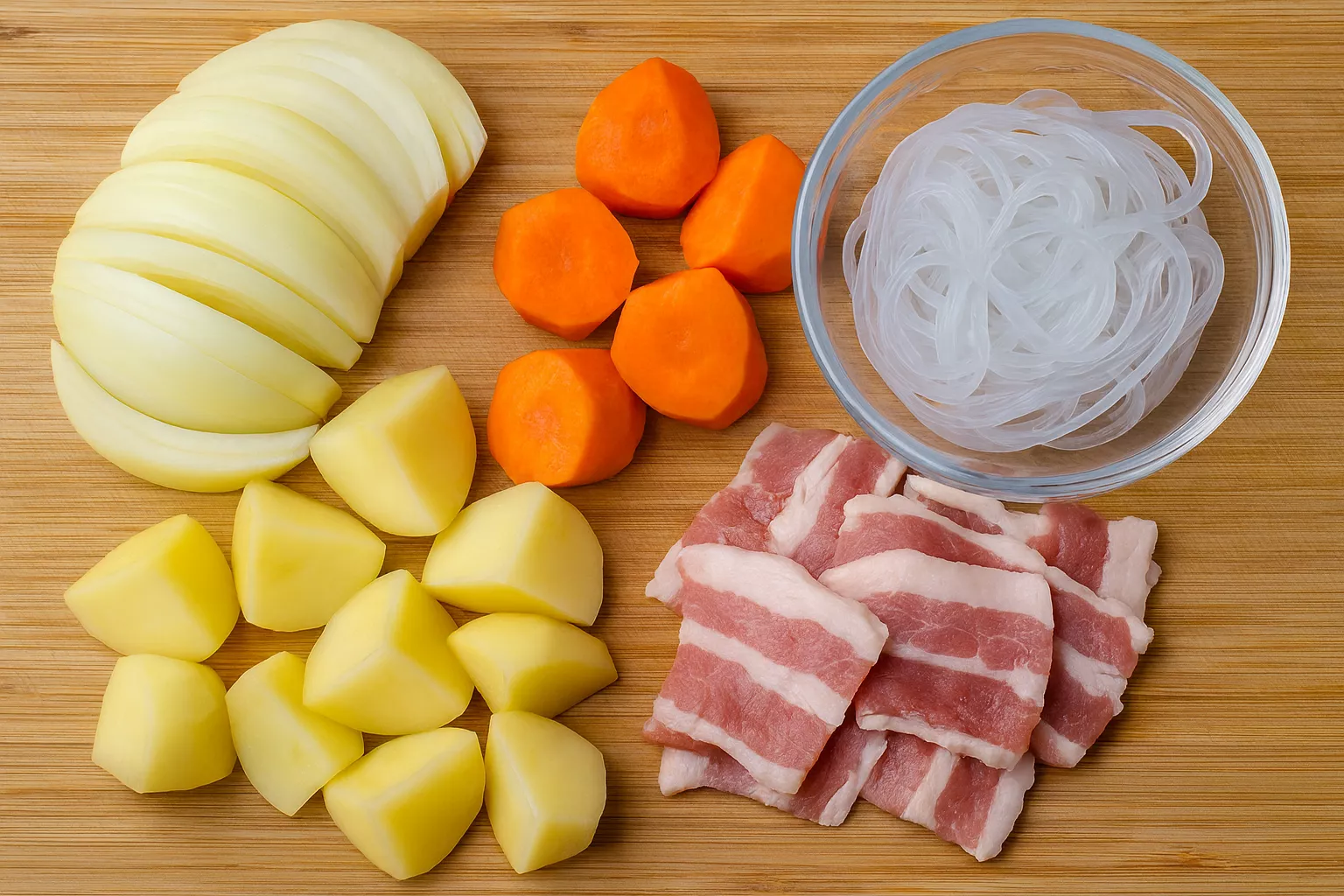
Peel the potatoes and carrots, then chop them into medium chunks. Place them on a microwave-safe plate, cover loosely with plastic wrap, and microwave at 600W for about three and a half minutes. This pre-cooking helps them soften faster once added to the pot. Peel the onion next and slice it into wedges along the grain so it cooks evenly. Wash the shirataki noodles and cut them into bite-sized lengths. Cut the thinly sliced pork belly into small pieces.
Step 2: Cook the Shirataki
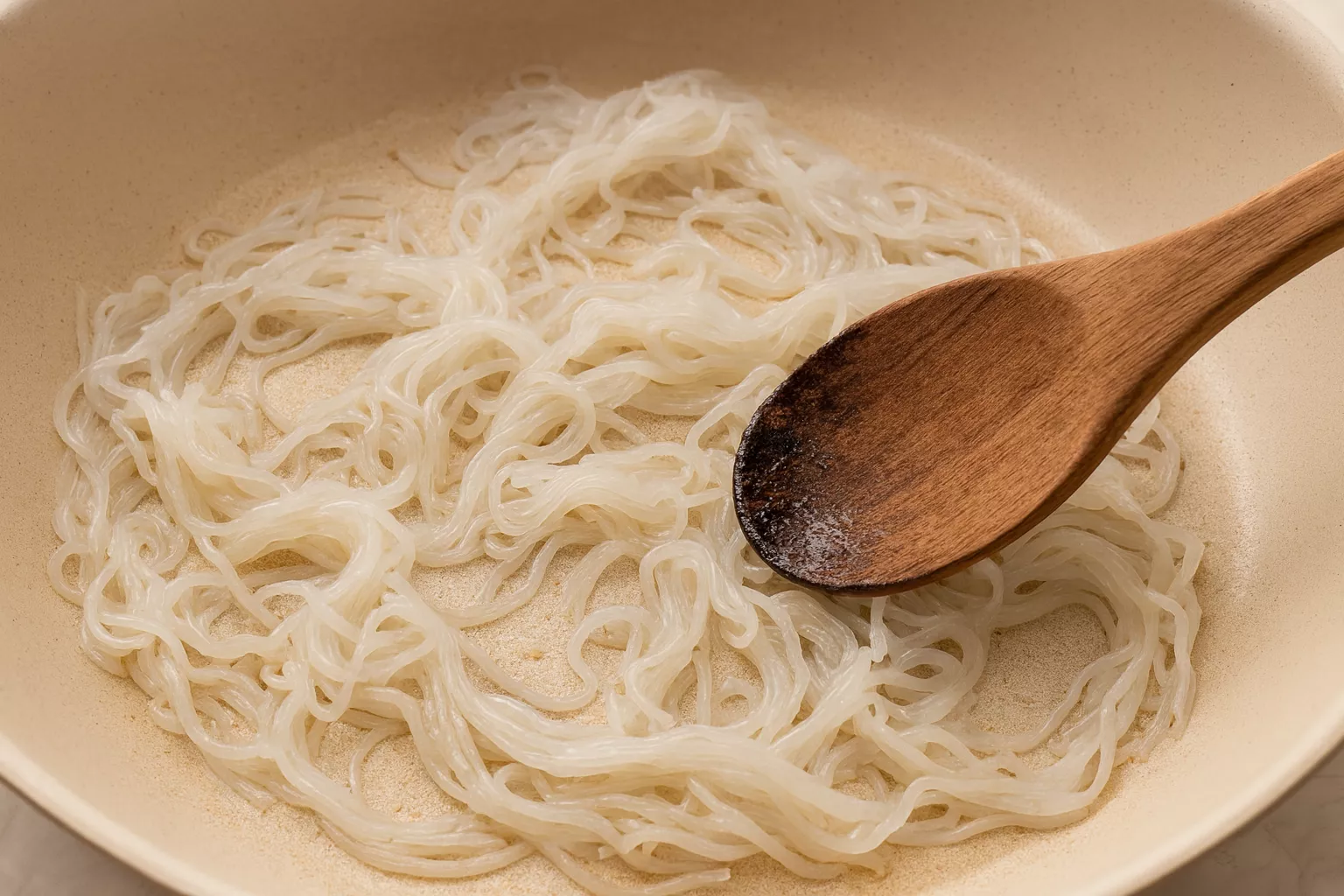
Place a teaspoon of sesame oil in a pan and let it heat on medium until it becomes fragrant. Add the shirataki noodles and sauté for about one minute. This step helps remove excess moisture and improves the final texture of the stew.
Step 3: Build the Broth and Simmer
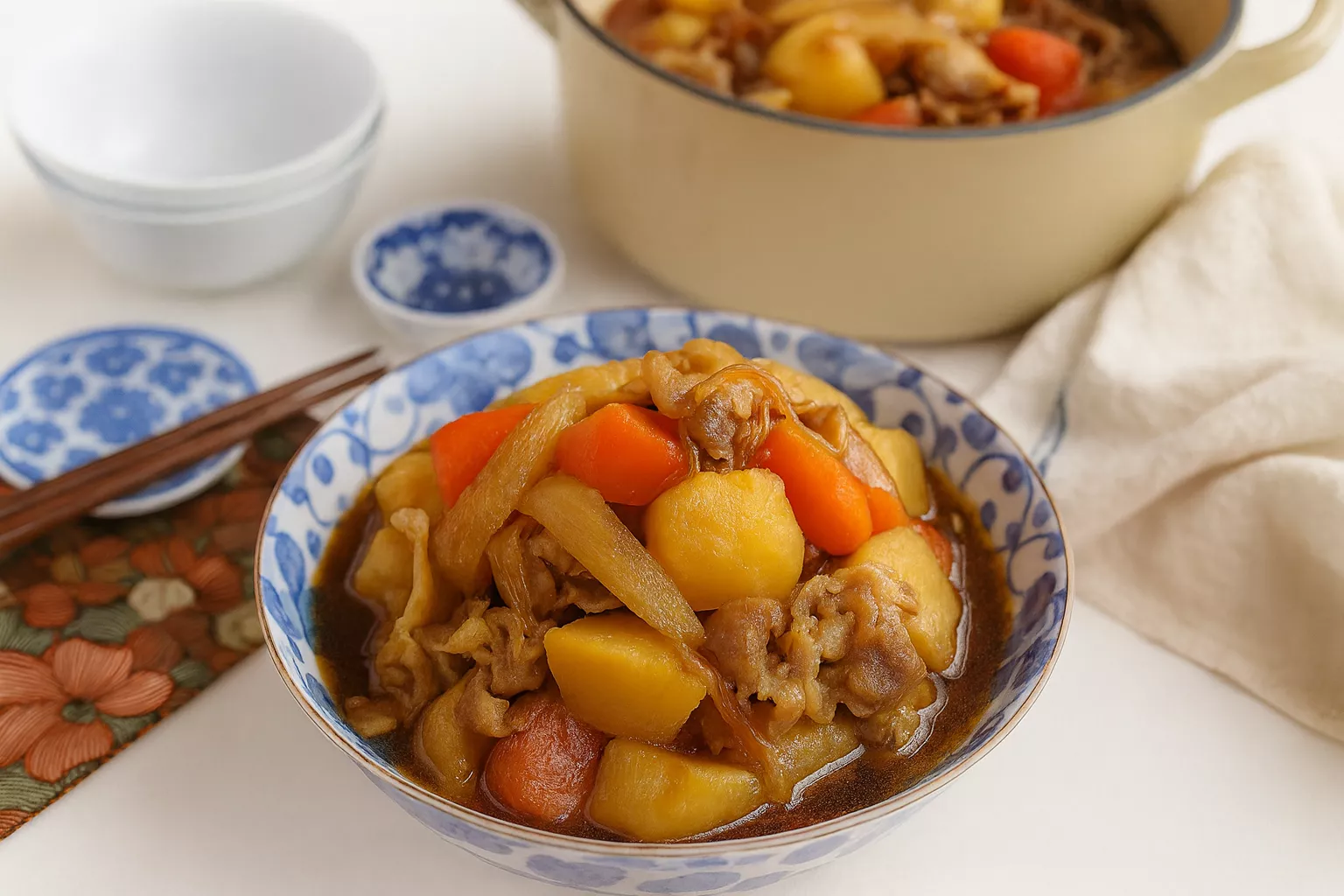
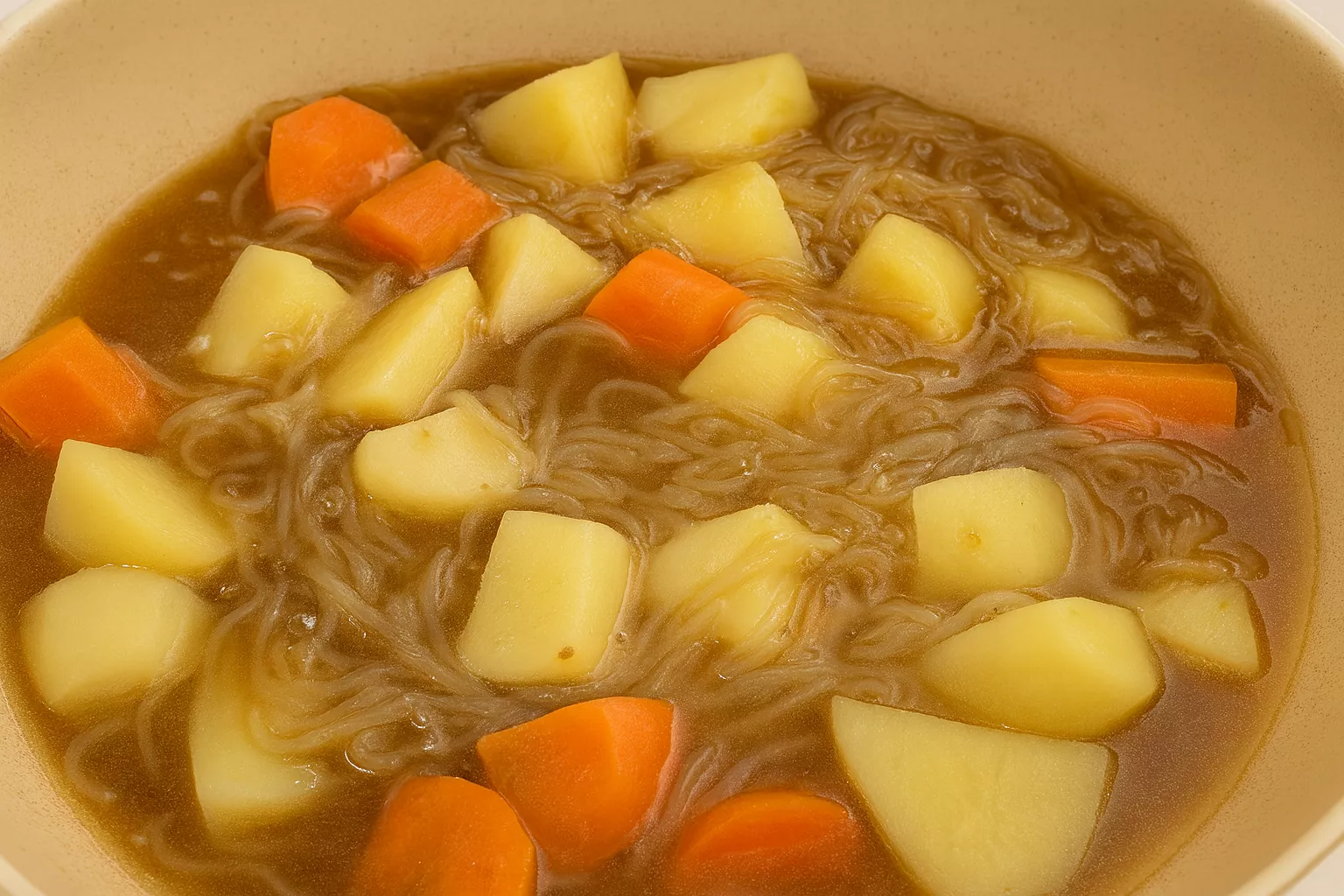
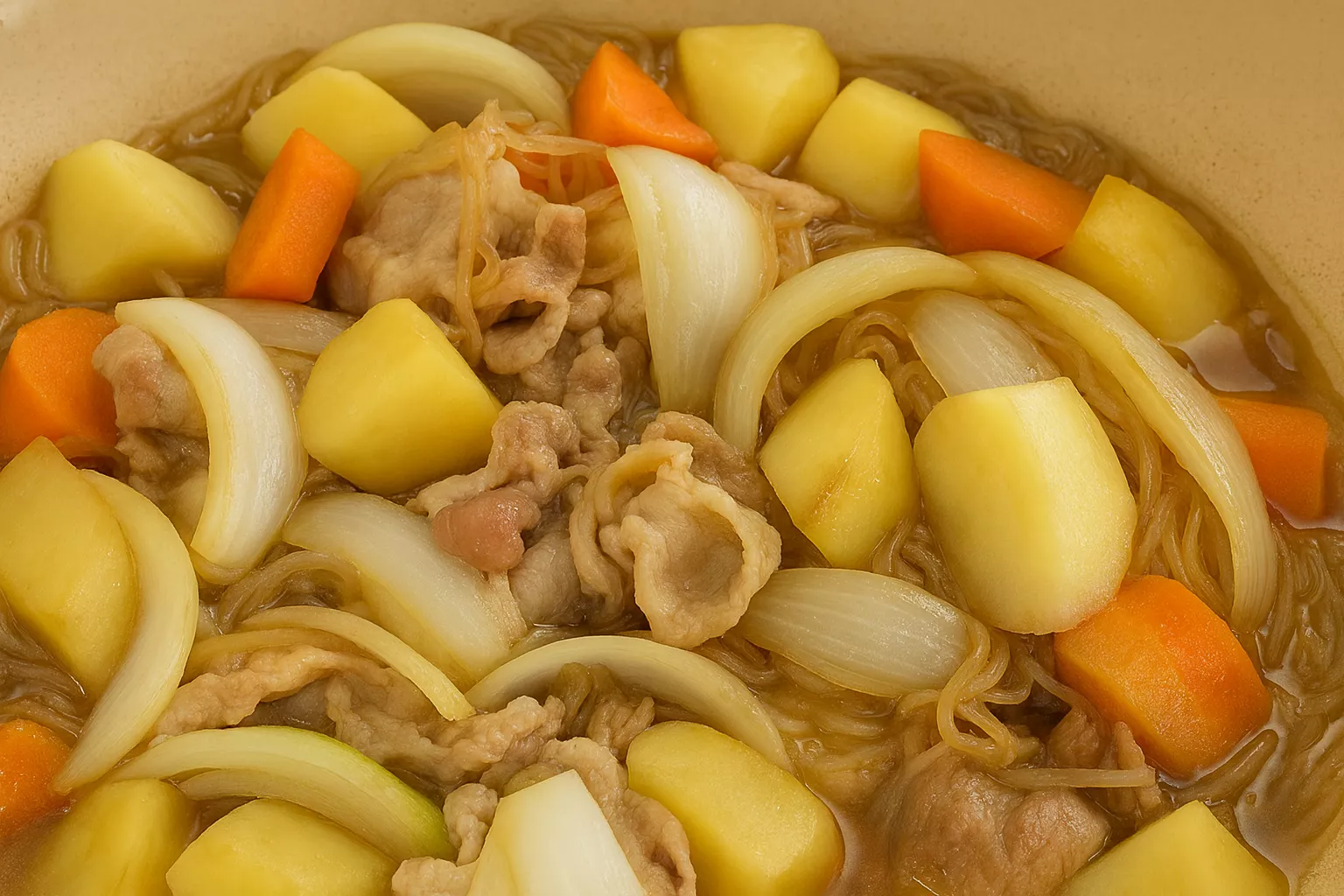
Place the potatoes, carrots, water, granulated soup stock, and sugar into the pan. Bring everything to a gentle boil over medium heat. Let the mixture simmer for about five minutes so the vegetables begin absorbing the broth. Then add the pork belly, onion slices, mirin, and soy sauce. Mix lightly to distribute the ingredients evenly, cover the pan with a drop lid, and simmer on low to medium heat for about eight minutes. The potatoes and carrots should soften, and the broth should thicken slightly.
Step 4: Check for Doneness
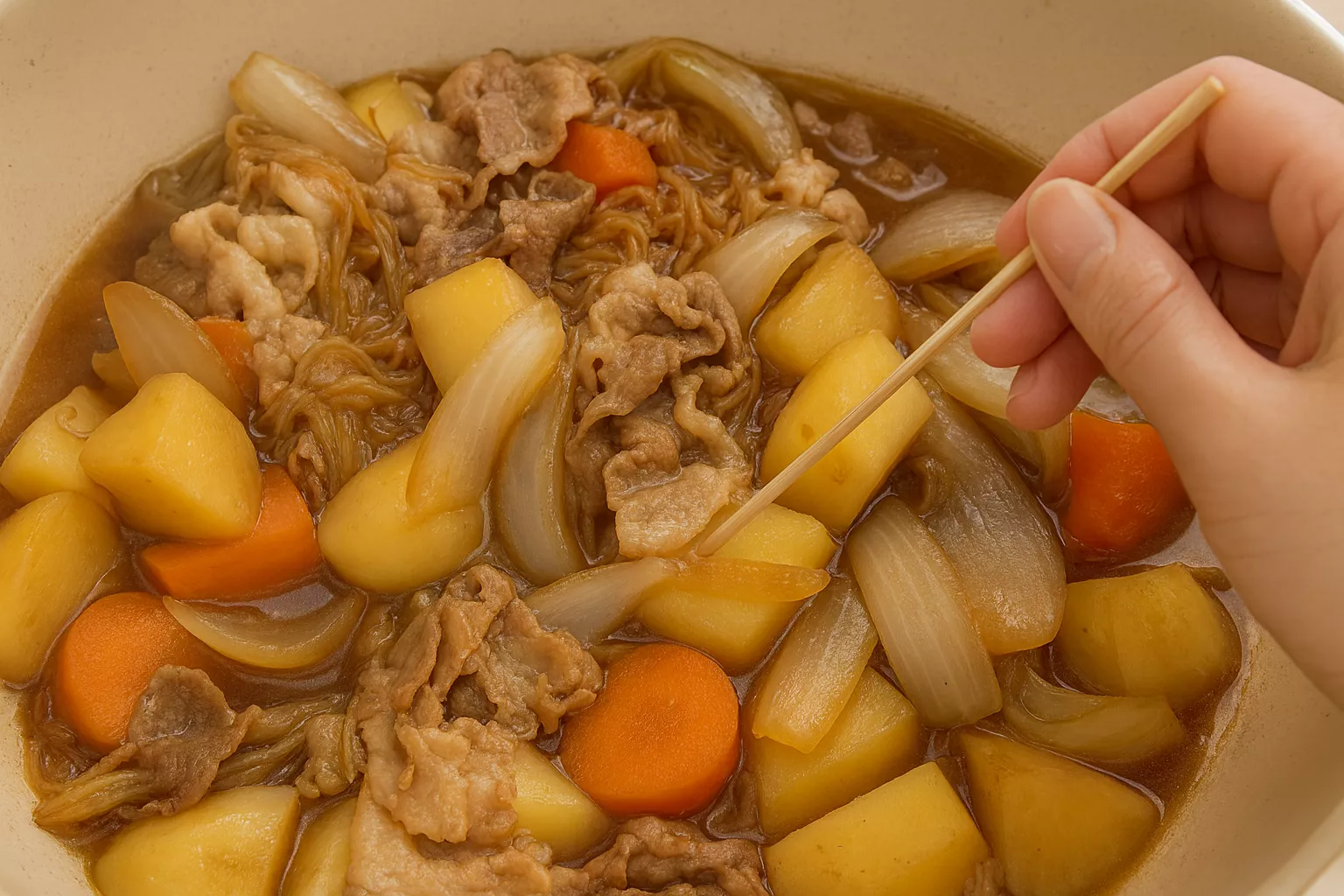
Test the potatoes and carrots by piercing them with a toothpick. If they are tender all the way through, the Nikujaga is done. The broth should be reduced but not dry, and the vegetables should appear glossy and coated in flavor.
Secrets to Success and Expert Tips
These simple but important tips will help you cook tender vegetables, balanced broth, and perfectly simmered Japanese Nikujaga every time:
-
♥
Microwave the potatoes and carrots first
Pre-heating the vegetables helps them soften evenly without breaking apart during simmering. This keeps the stew looking neat and well-shaped. -
♥
Sauté shirataki noodles briefly
Stir-frying the noodles for a minute removes excess moisture and helps them absorb the broth better, giving the dish a balanced texture. -
♥
Add soy sauce and mirin after the first simmer
Letting the vegetables simmer in the stock and sugar first helps them absorb sweetness. Adding the seasonings later creates a richer, deeper flavor. -
♥
Use a drop lid for even cooking
A drop lid helps press the ingredients gently into the broth so every piece cooks at the same speed. It also prevents the liquid from reducing too quickly. -
♥
Let the stew rest before serving
Allowing Nikujaga to sit for a few minutes after cooking helps the vegetables absorb the broth, making the flavor rounder and more satisfying.
Assembly
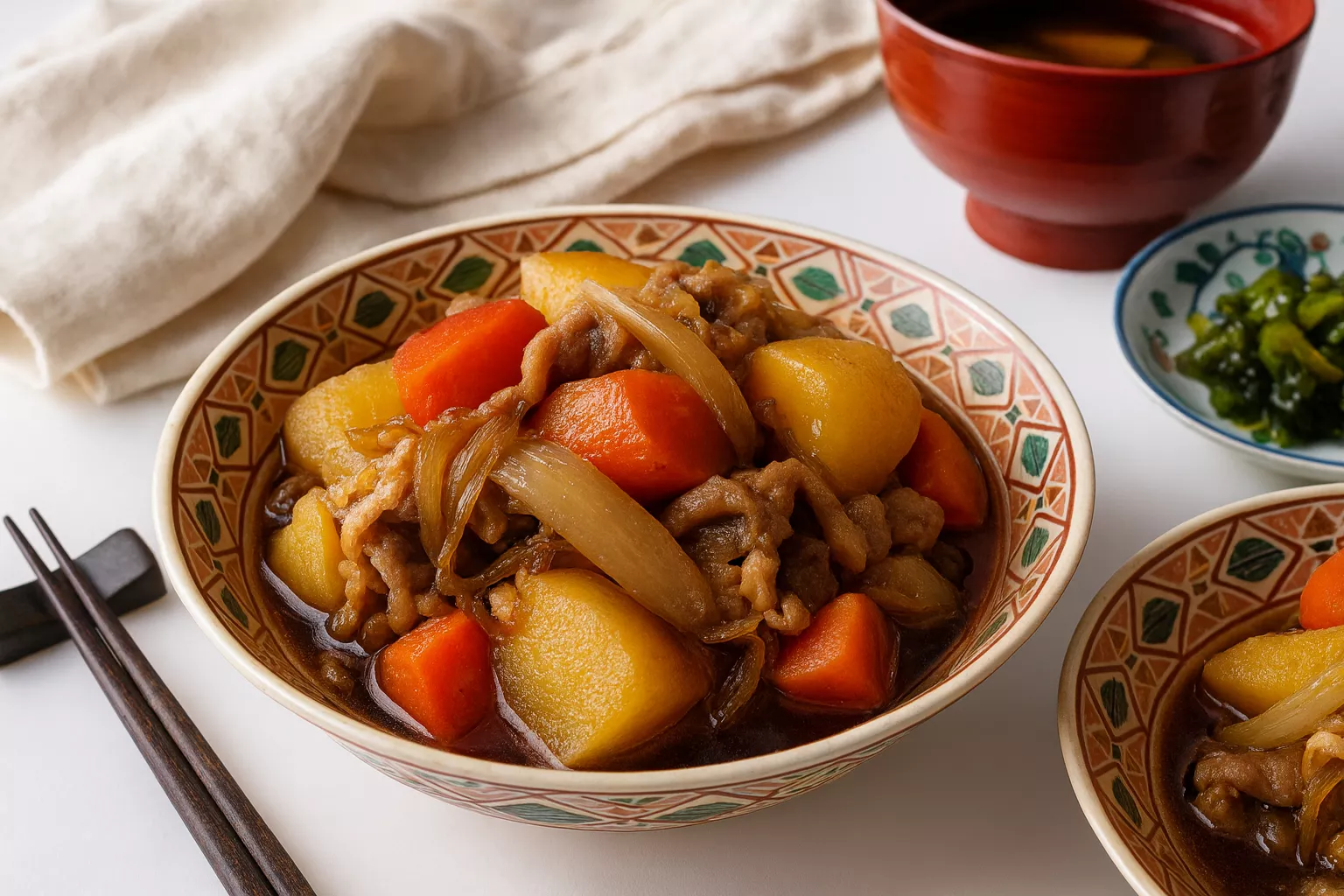
To serve Nikujaga, scoop the potatoes, carrots, onions, and noodles into a bowl first. Add the pork slices on top so they remain visible and appealing. Pour some of the warm broth over the dish to add shine and moisture. For a clean presentation, place the ingredients in separate spaces rather than mixing them completely. This highlights each component and makes the stew look inviting.

Hana’s Recipe Tips
For a deeper flavor, let the Nikujaga rest for ten minutes after cooking. The vegetables continue to absorb broth during this short pause, creating a fuller and rounder taste. If you want an even gentler flavor, reduce the soy sauce slightly and let the natural sweetness of the vegetables lead. For a stronger broth, simmer a few minutes longer until the liquid thickens to your liking.
Storage and Make-Ahead Tips
Nikujaga stores very well and often tastes better the next day.
- Refrigerator: Store in an airtight container for up to 3 days.
- Freezer: Freeze without the potatoes for up to 1 month, as potatoes may change texture.
- Reheating: Warm gently on the stove over low heat, adding a splash of water if the broth thickens too much.
Recipe Variations
Nikujaga is a flexible, homestyle dish, and you can easily change the broth, meat, or vegetables to match your taste or what you have in your kitchen. Here are a few simple and delicious ways to customize your Japanese Meat and Potato Stew:
Try Different Proteins
Swap the pork for other meats to change the flavor and texture:
- Thinly sliced beef for a richer, deeper taste
- Chicken thigh pieces for a lighter version
- Firm tofu cubes for a meat-free Nikujaga
Customize the Flavor Base
Adjust the seasoning to create new styles of broth:
- Add ginger for a warming, fragrant finish
- Use less sugar for a lighter, less sweet broth
- Add a splash of sake for extra depth
Boost With Extra Vegetables
Mix in additional vegetables to expand flavor and texture:
- Green beans for color and crunch
- Shiitake mushrooms for earthy depth
- Snow peas added at the end for freshness
Try New Serving Ideas
Serve Nikujaga in different ways to match your meal or occasion:
- Serve over warm rice for a complete donburi-style meal
- Pair with miso soup and pickles for a Japanese set menu
- Reduce the broth longer for a thicker, glaze-like finish
Related Japanese Recipes to Try
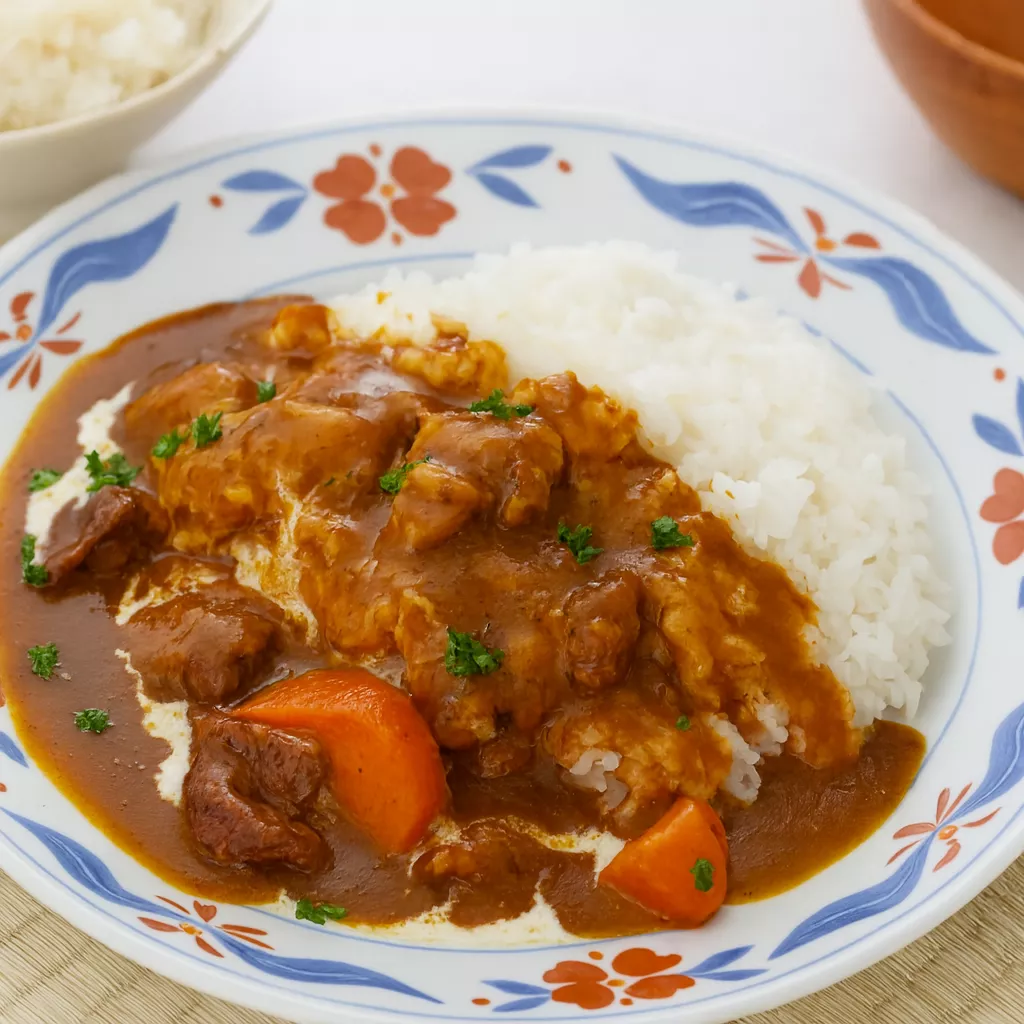
If you enjoy the gentle flavors of Nikujaga, you may also like exploring other comforting Japanese dishes. For a richer and deeper taste, try Beef Tendon Curry 牛すじカレー, a slow-simmered curry with tender pieces of beef that melt in your mouth.
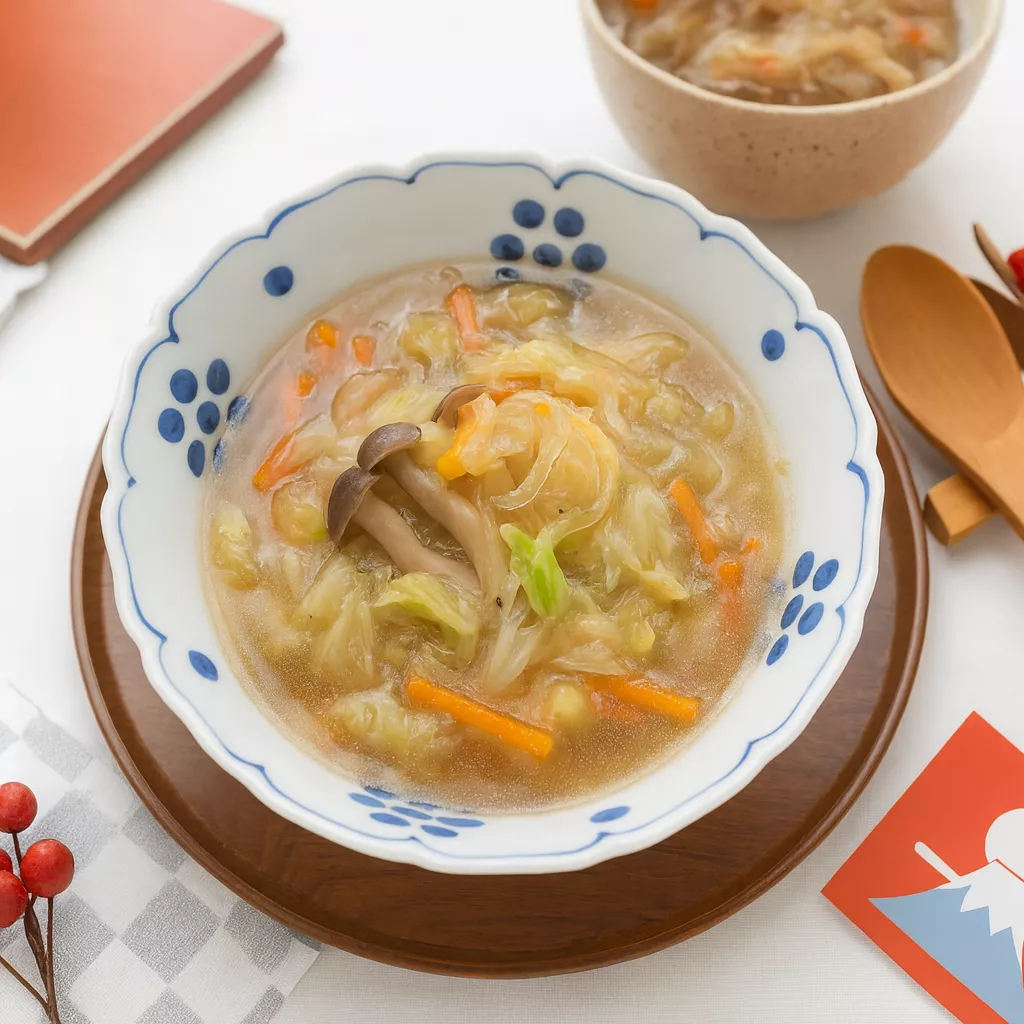
Another great option is Salt-Koji Soup Umami 塩麹スープのうま味, a light and savory soup made with salt-koji for natural umami depth.
Conclusion
Nikujaga is a simple and warm dish that shows how comforting Japanese home cooking can be. With soft vegetables, tender meat, and a sweet soy broth, it is a dish that suits any season. Its quick cooking time and easy steps make it perfect for everyday meals. Once you learn the method, you can adjust it to your taste and make your own version of this classic Meat and Potato Stew.
FAQs
What kind of potatoes work best for Nikujaga?
Starchy potatoes hold their shape during cooking and absorb broth well.
Can I use beef instead of pork?
Yes. Beef slices are common and create a fuller flavor.
Are shirataki noodles necessary?
They add texture but are optional. You may replace them or leave them out.
Is Nikujaga healthy?
Yes. It contains vegetables, lean meat, and a light broth. It is filling yet not heavy.
How long does Nikujaga take to cook?
The full process takes around 20 to 25 minutes.
Can I make this ahead of time?
Yes. The flavor often improves after resting or chilling and reheating.
Japanese Nikujaga 肉じゃが: Meat and Potato Stew
Course: MainCuisine: JapaneseDifficulty: Easy2
servings10
minutes15
minutes~380
kcalA classic Japanese home-style stew made with tender potatoes, carrots, onions, and thinly sliced pork simmered in a lightly sweet soy broth. Simple, warm, and comforting—a perfect everyday dinner.
Ingredients
- Vegetables
2 potatoes (about 250g), peeled and cut into chunks
1/2 carrot (about 70g), peeled and cut into chunks
1/2 onion (about 100g), sliced into wedges
- Meat & Noodles
120g thinly sliced pork belly, cut into bite-sized pieces
80–100g shirataki noodles, rinsed and cut
- Seasoning & Oil
1 teaspoon sesame oil
300ml water
2 teaspoons Japanese-style granulated soup stock
2 tablespoons cane sugar
2 tablespoons mirin
Just under 3 tablespoons soy sauce
Directions
- Prepare the vegetables and noodles
Peel the potatoes and carrots, cut them into medium chunks, and place them on a heat-safe plate. Cover loosely with plastic wrap and microwave for 3 minutes 30 seconds at 600W to soften them. Slice the onion into wedges. Rinse the shirataki noodles and cut them into shorter pieces. Cut the pork belly into small pieces. - Sauté the shirataki for better flavor
Warm the sesame oil in a frying pan over medium heat. Add the shirataki noodles and cook for about 1 minute to remove moisture and help them absorb flavor later. - Simmer the vegetables in the broth
Add the potatoes, carrots, water, soup stock, and sugar to the pan. Bring to a gentle boil and let it simmer for around 5 minutes so the vegetables start soaking up the broth. - Add the meat and seasonings and finish cooking
Add the sliced pork, onion, mirin, and soy sauce. Stir lightly. Cover with a drop lid and simmer over low to medium heat for about 8 minutes. When a toothpick slides easily into the potatoes and carrots, the Nikujaga is ready.
Notes
- ✪ For a richer flavor, let the Nikujaga rest for 5–10 minutes before serving; the vegetables will absorb more broth.
✪ Shirataki noodles should always be sautéed briefly to remove excess liquid and improve texture. - ✪ You can use thinly sliced beef instead of pork for a deeper, more traditional flavor.
✪ Leftovers taste even better the next day as the ingredients continue to absorb the broth.
✪If doubling the recipe, keep the same steps and simply double each ingredient amount.
Did you make this recipe?
Tag @jp.dishes on Instagram so we can see your delicious creation!