
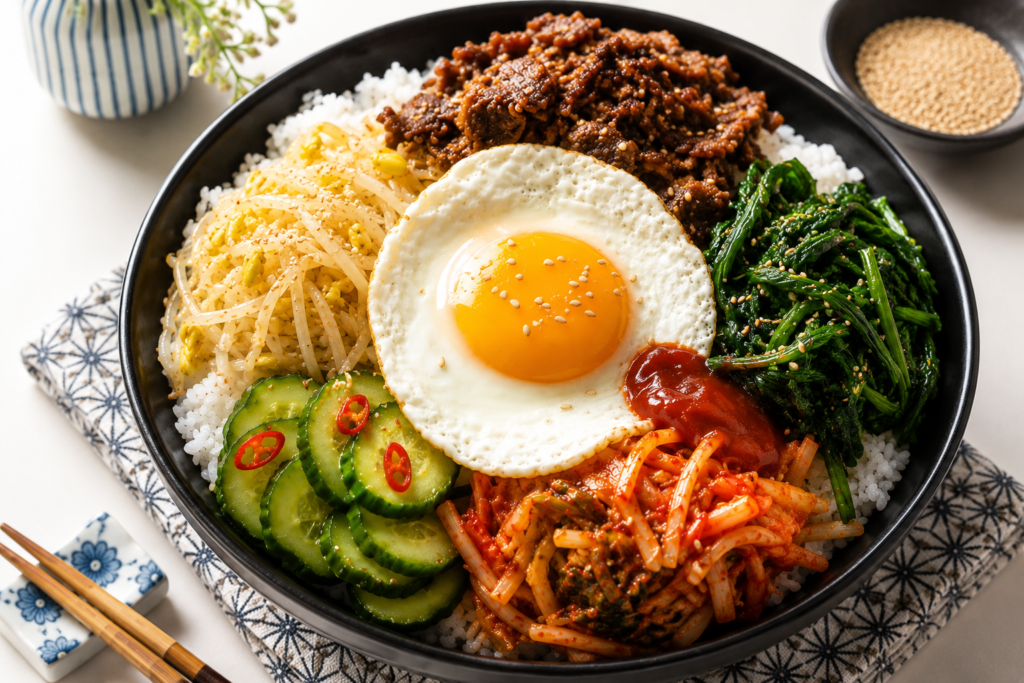
Have you ever wondered how one simple can of mackerel can turn into a warm, spicy, filling rice bowl in less than 30 minutes? How to make Japanese Spicy Bibimbap 日本の辛いビビンバ is a great recipe for days when you want bold flavor without spending a long time in the kitchen.
This Japanese-style take on bibimbap combines warm rice, canned mackerel, kimchi, spinach, green onions, Korean seaweed, gochujang, sesame oil, and a soft-boiled egg. The mackerel is cooked with its flavorful brine, so nothing useful from the can goes to waste. Gochujang gives the rice heat and depth, while the soft egg makes every bite creamy and helps soften the spice.
It is colorful, comforting, simple to prepare, and easy to change depending on what you already have at home.
Recipe Overview
How to make Japanese Spicy Bibimbap 日本の辛いビビンバ is a quick rice meal inspired by Korean bibimbap but prepared with ingredients commonly used in Japanese home cooking, especially canned mackerel.
Instead of arranging many separately cooked vegetables and meat over plain rice, this version cooks the rice together with seasoned mackerel. Kimchi, spinach, seaweed, and a soft-boiled egg are added at the end.
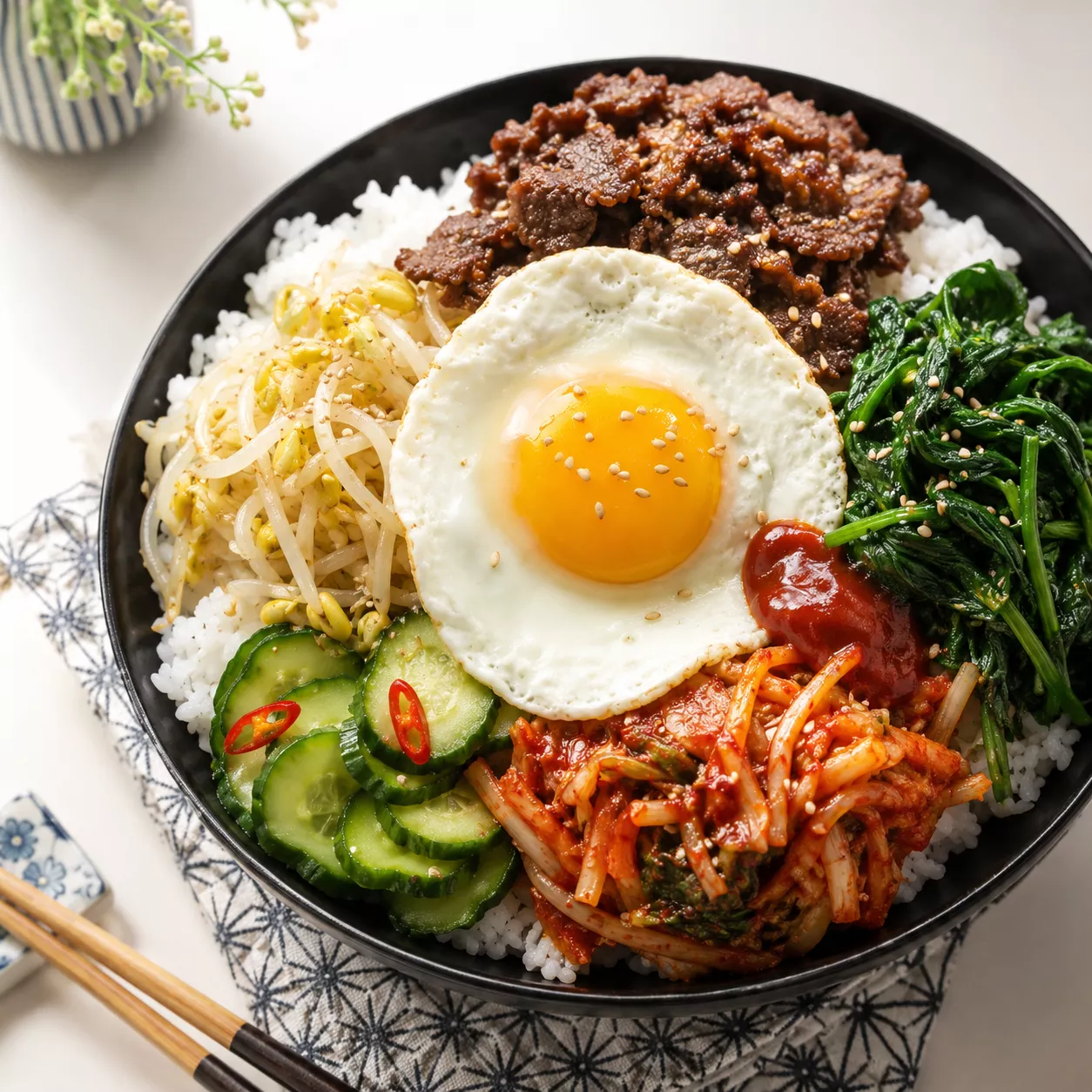
What Is Japanese Spicy Bibimbap 日本の辛いビビンバ?
Traditional bibimbap is a Korean rice dish made by serving rice with different vegetables, protein, seasonings, and often an egg. The ingredients are usually mixed together before eating.
This recipe takes that idea and gives it a Japanese home-style twist.
Canned mackerel in brine becomes the main protein. Its liquid is mixed with gochujang, soy sauce, and a little sugar to make a rich sauce. The warm rice is then cooked directly in this seasoned mackerel mixture.
Fresh spinach brings a mild vegetable flavor, while kimchi adds tanginess and heat. Korean seaweed gives the bowl a light roasted taste, and sesame oil ties everything together.
The soft-boiled egg is especially important. When the yolk breaks over the spicy rice, it creates a creamy sauce that makes the gochujang taste smoother and less sharp.
Essential Ingredients
Key Ingredients (材料)
Japanese Spicy Bibimbap 日本の辛いビビンバThese ingredients create a spicy, savory, and satisfying Japanese-style bibimbap bowl. Canned mackerel brings rich flavor, gochujang adds heat, and fresh toppings such as spinach, kimchi, seaweed, and a soft-boiled egg make every bite colorful and balanced.
Step-by-Step Instructions
Step 1: Cook the Spinach
- Wash the spinach well.
- Place it in a microwave-safe bowl while a little water is still clinging to the leaves. Sprinkle with a small pinch of salt.
- Cover the bowl loosely with microwave-safe plastic wrap.
- Microwave at 600W for about 1 minute and 30 seconds.
- Carefully uncover the bowl because hot steam may escape.
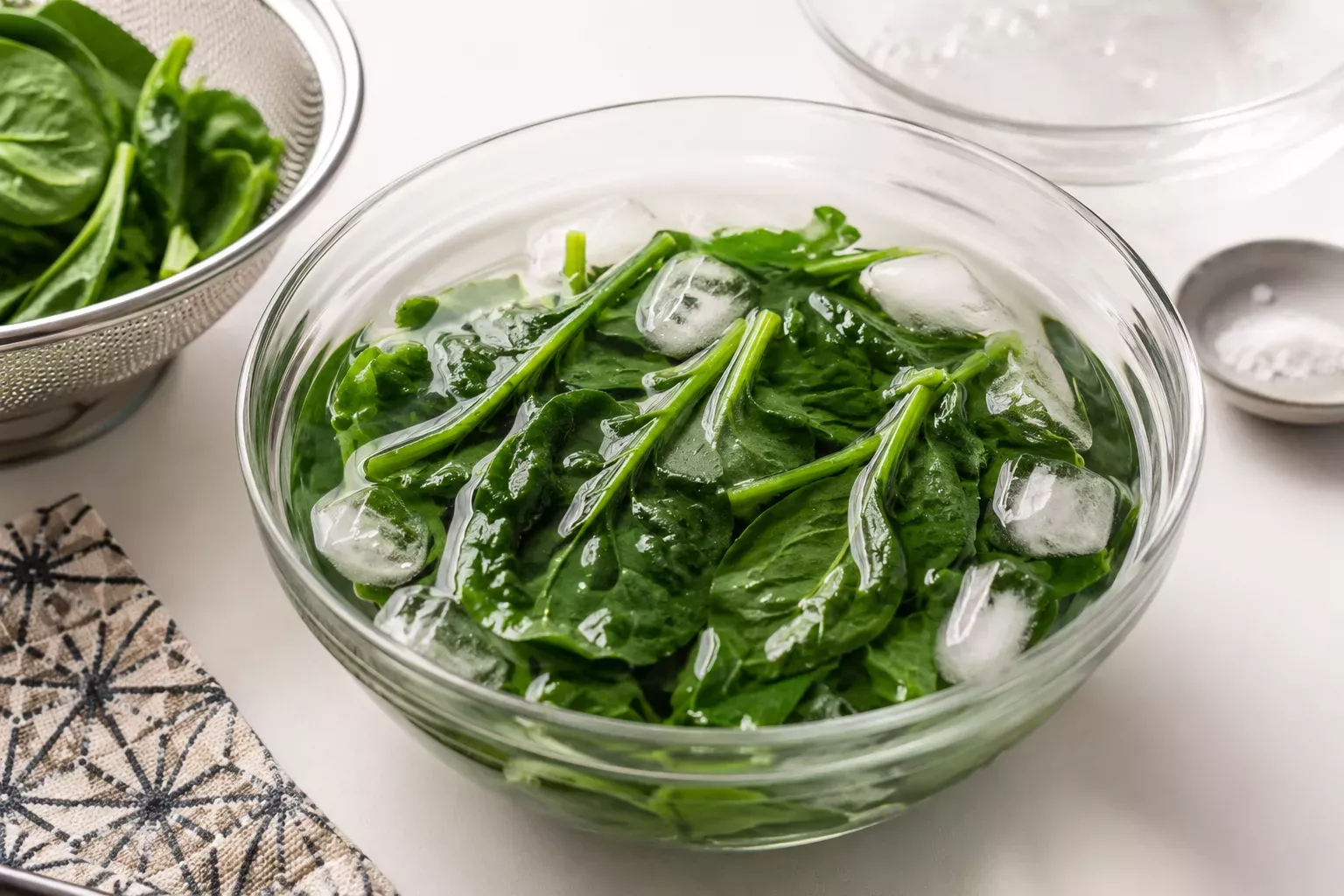
- Transfer the spinach to a bowl of cool water and leave it for approximately 3 minutes.
- Cooling the spinach helps stop the cooking process and keeps its color fresh.
Step 2: Prepare the Vegetables
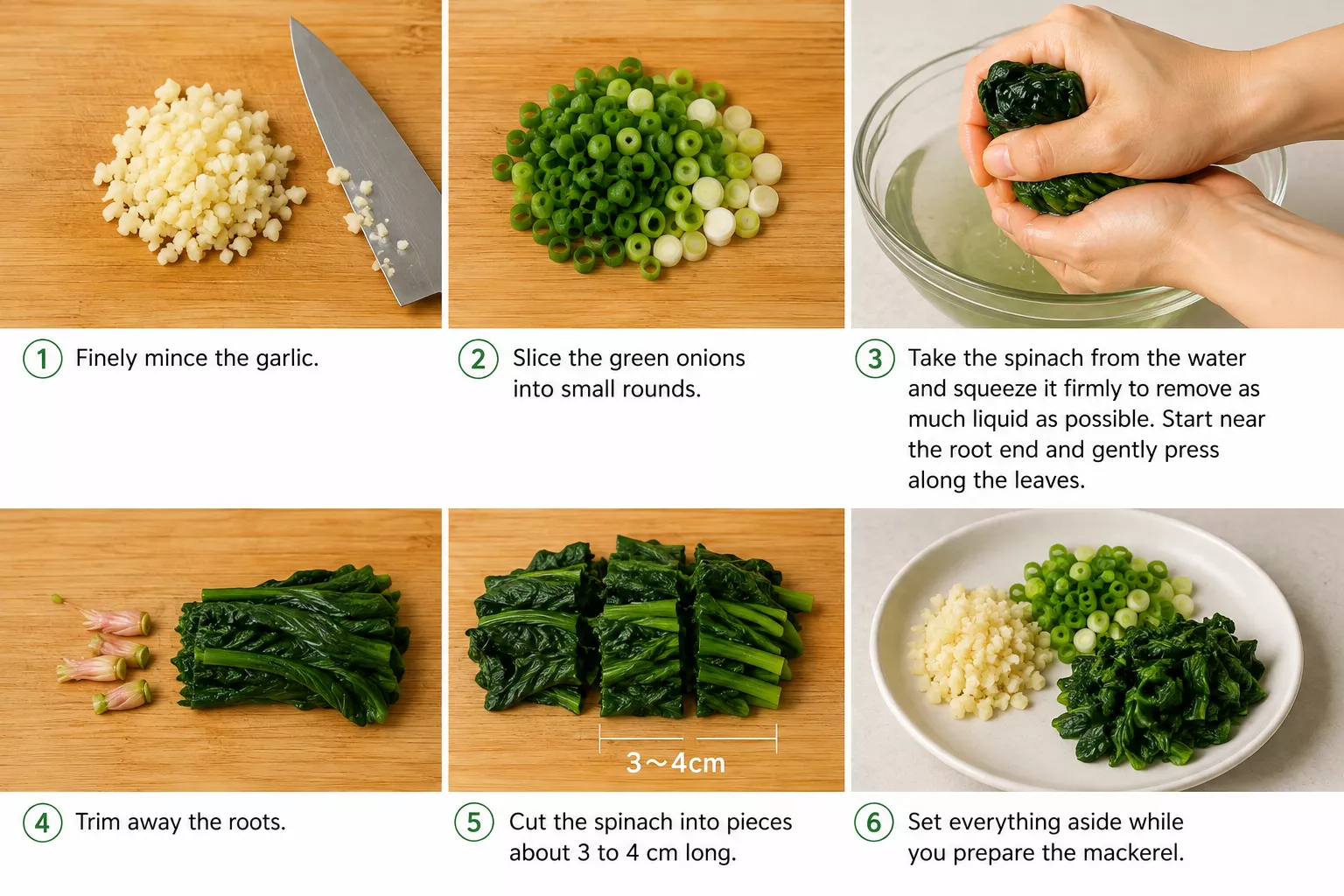
- Finely mince the garlic.
- Slice the green onions into small rounds.
- Take the spinach from the water and squeeze it firmly to remove as much liquid as possible. Start near the root end and gently press along the leaves.
- Trim away the roots.
- Cut the spinach into pieces about 3 to 4 cm long.
- Set everything aside while you prepare the mackerel.
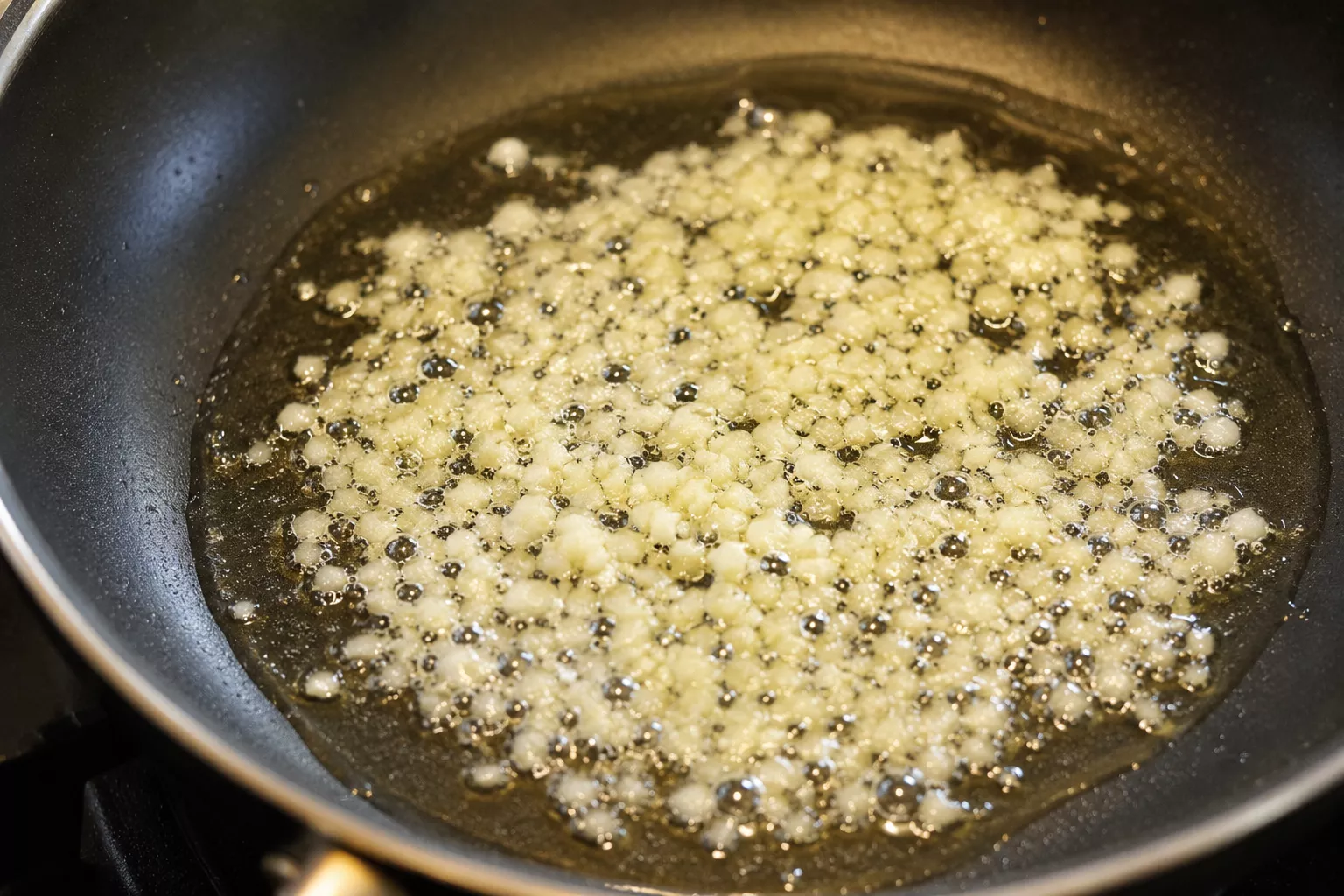
Step 3: Slowly Cook the Garlic
- Add 1/2 tablespoon salad oil and the minced garlic to a frying pan.
- Place the pan over medium heat.
- As soon as you notice small bubbles forming around the garlic, turn the heat down to low.
- Cook gently for about 2 minutes.
- The goal is to release the garlic aroma without allowing it to become dark or bitter.
Step 4: Make the Spicy Mackerel Sauce
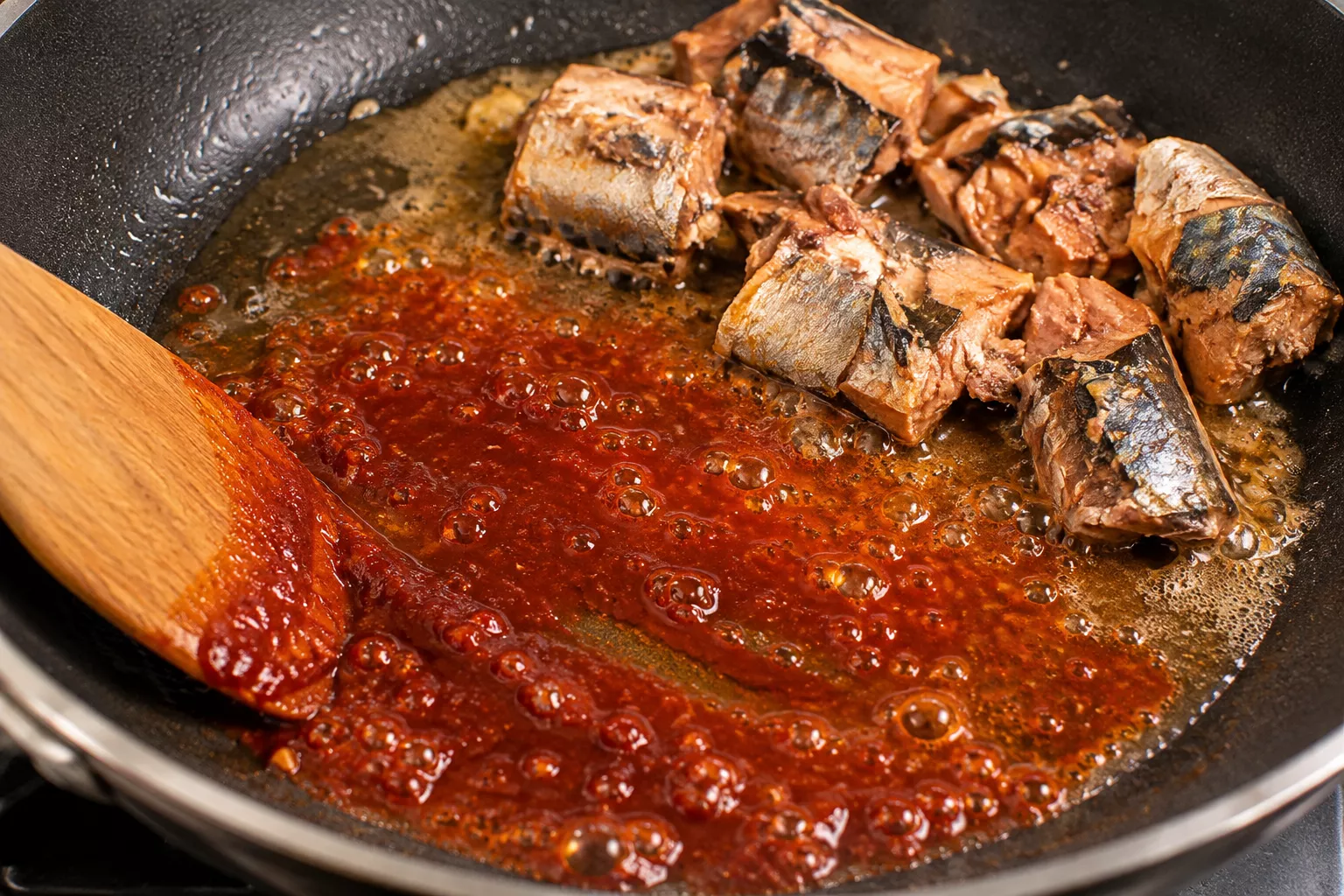
- Add the entire can of mackerel to the pan, including the brine.
- Move the fish pieces toward one side or the back of the frying pan. Let most of the liquid collect in an open area of the pan.
Add:
- 1 tablespoon gochujang
- 1/2 teaspoon sugar
- 1 teaspoon soy sauce
- Stir these seasonings directly into the canned mackerel liquid.
- Increase the heat to medium.
- Let the sauce bubble gently for around 2 minutes, or until much of the liquid evaporates and the sauce becomes noticeably thicker.
- You are looking for a concentrated sauce that will coat the rice instead of making it watery.
Step 5: Add the Rice
- Break the mackerel into bite-sized chunks using your spatula.
- Add 350 g warm cooked rice.
- Stir and toss for about 1 minute, gently separating any large clumps of rice.
- Continue mixing until the rice is evenly coated with the spicy mackerel sauce.
- Turn off the heat.
Add:
- Chopped green onions
- 1/2 tablespoon toasted white sesame seeds
- 1 teaspoon sesame oil
- Mix gently.
- Avoid crushing the mackerel too much. Keeping a few larger pieces makes the finished bowl more interesting.

Step 6: Assemble the Bowls
- Divide the spicy mackerel rice between two serving bowls.
- Arrange the kimchi alongside the rice.
- Squeeze the spinach once more before adding it to the bowl. Even after cutting, spinach can continue releasing water.
- Place the spinach beside the kimchi.
- Tear the Korean seaweed into small pieces and scatter it over the bowl.
- If desired, add a very small drizzle of sesame oil over the spinach.
- Create a small space in the center of each serving.
- Carefully place one soft-boiled egg in the center.
- Serve immediately while the rice is warm.
Secrets to Success and Expert Tips
These simple tips will help you make Japanese Spicy Bibimbap 日本の辛いビビンバ with rich flavor, well-seasoned rice, tender mackerel, and fresh toppings:
-
♥
Keep the mackerel brine
Do not drain the canned mackerel. The liquid is mixed with gochujang, soy sauce, and sugar to create a deeply savory sauce for the rice. -
♥
Reduce the sauce before adding the rice
Let the mackerel liquid and seasonings simmer until they become thicker and more concentrated. This keeps the rice flavorful without making it watery. -
♥
Cook the garlic gently
Lower the heat once the garlic starts to bubble. Slow cooking brings out its aroma without burning it or giving the dish a bitter taste. -
♥
Squeeze the spinach very well
Cooked spinach can hold a lot of water. Squeeze it after cooling and again before plating so the finished bibimbap stays fresh instead of soggy. -
♥
Use warm rice
Warm rice separates more easily in the pan and absorbs the spicy mackerel sauce better. If using leftover rice, reheat it before adding it. -
♥
Do not break the mackerel too finely
Keep some pieces slightly larger so you get tender bites of fish throughout the rice instead of turning everything into small flakes. -
♥
Add sesame oil at the end
Mixing sesame oil into the rice after turning off the heat helps protect its roasted aroma and gives the finished dish a richer fragrance. -
♥
Finish with a soft-boiled egg
The creamy yolk blends into the spicy rice and helps mellow the heat from the gochujang and kimchi, creating a smoother and more balanced flavor.
How to Assemble Japanese Spicy Bibimbap
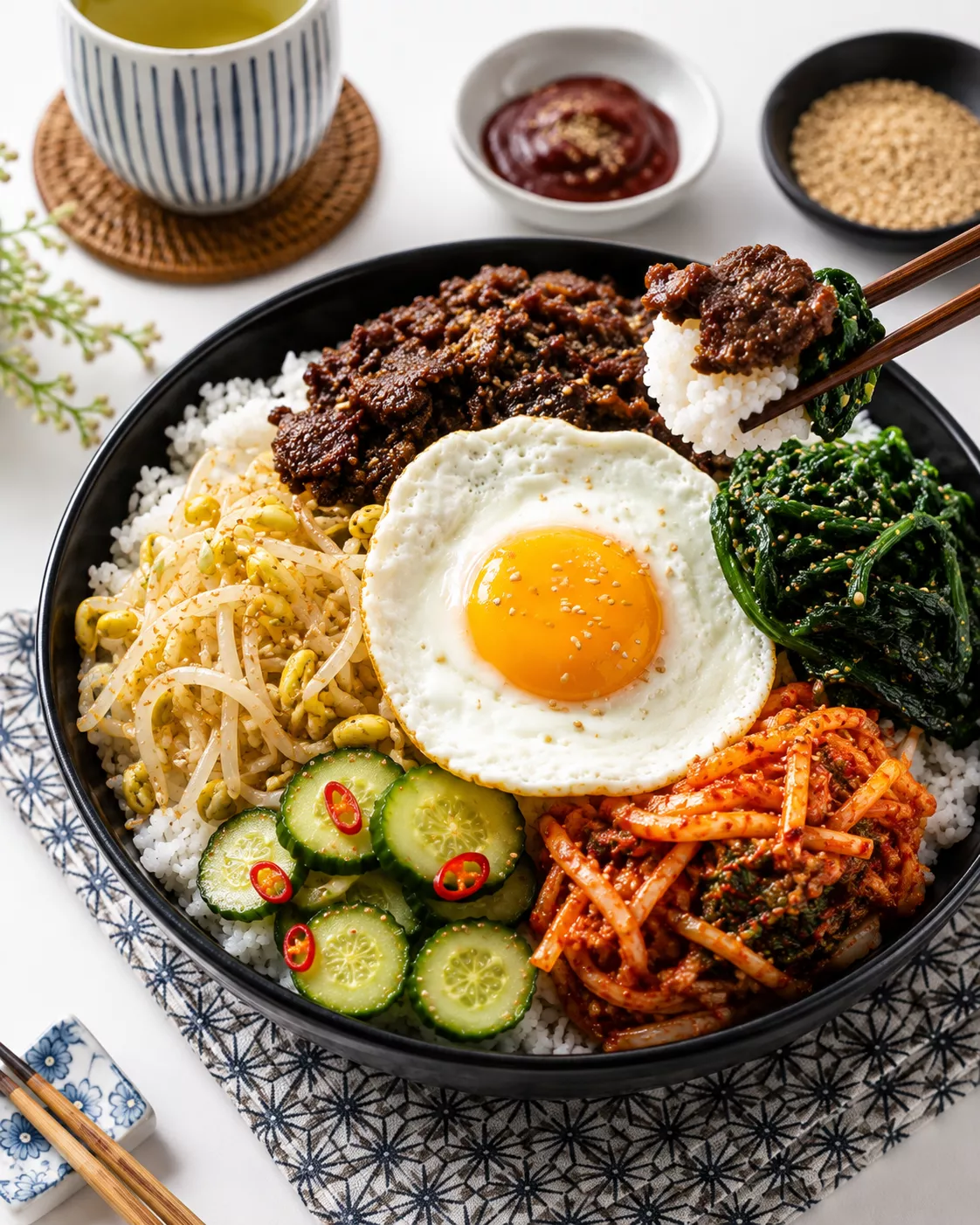
Presentation is part of the fun of bibimbap.
Start by placing the spicy mackerel rice in your bowl. You can spread it across the bottom or keep it slightly piled in the middle.
Arrange the spinach and kimchi in separate sections so their colors remain easy to see.
Sprinkle torn seaweed and sesame around the top.
Finish with the soft-boiled egg in the center.
When you are ready to eat, break the egg open and allow the soft yolk to run over the spicy rice.
Then mix everything together.
The creamy egg yolk, spicy gochujang, sour kimchi, savory mackerel, fresh spinach, and sesame flavors will combine into one rich rice bowl.
Hana’s Recipe Tips
For the best bowl, prepare all the toppings before you start cooking the mackerel rice. Once the rice goes into the pan, the recipe moves very quickly.
Keep your spinach, kimchi, seaweed, sesame seeds, green onions, and cooked eggs close to your serving area.
Taste your kimchi before cooking the rice as well. Some kimchi can be very salty or spicy. If yours has a strong flavor, you may want to use slightly less soy sauce or gochujang.
For people who are sensitive to spicy food, use a smaller spoonful of gochujang and add more after tasting.
The soft-boiled egg is also useful for controlling the heat. Mix the yolk thoroughly into the rice for a milder, creamier flavor.
For a pretty serving style, keep the toppings in clear sections until the bowl reaches the table. The red kimchi, green spinach, dark seaweed, golden egg yolk, and spicy rice create a colorful presentation.
Storage and Make-Ahead Tips
This recipe tastes best immediately after cooking, but several parts can be prepared ahead.
Spinach
Cooked spinach can be prepared in advance.
Squeeze away excess water and keep it in a sealed container in the refrigerator for up to 2 days.
Rice
Cooked rice can be refrigerated for a short time or frozen in individual portions.
For the best texture, freeze extra rice while it is still fresh rather than leaving it in the refrigerator for several days.
Reheat it until completely hot before using it in the recipe.
Mackerel Rice
Leftover cooked mackerel rice can be placed in an airtight container and refrigerated.
For best quality, eat it within 1 to 2 days.
Reheat until thoroughly hot before serving.
Kimchi
Store kimchi separately in its original container or another well-sealed container.
Adding cold kimchi after reheating the rice gives the bowl a better contrast of temperatures and textures.
Eggs
Soft-boiled eggs are best prepared close to serving time. For food safety and texture, avoid leaving cooked eggs at room temperature for long periods.
Make-Ahead Strategy
You can prepare the spinach, chop the onions, mince the garlic, and cook the eggs before dinner.
Then all you need to do is cook the garlic, make the mackerel sauce, stir in the rice, and assemble the bowls.
Recipe Variations
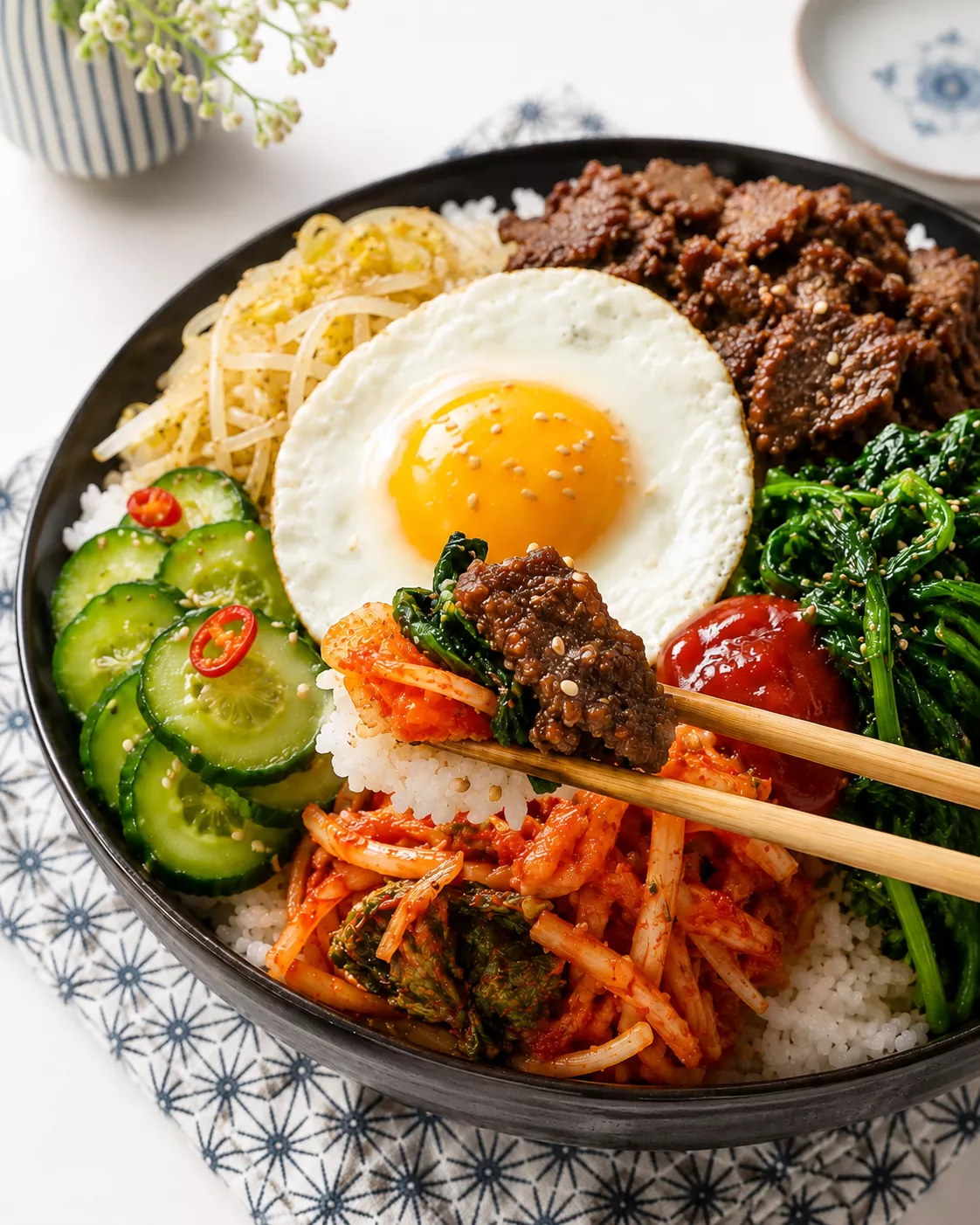
Japanese Spicy Bibimbap 日本の辛いビビンバ is easy to customize. You can adjust the spice level, change the fish, add more vegetables, or use a different type of rice while keeping the same simple cooking method.
Make It Mild
If you prefer less heat, you can easily make a milder version without losing the rich flavor:
- Reduce the amount of gochujang
- Choose a mild kimchi
- Add an extra soft-boiled egg for a creamier taste
Try a Different Protein
Canned mackerel gives this recipe its rich flavor, but other proteins can also work well:
- Canned tuna for a lighter taste
- Canned salmon for a softer and milder flavor
- Firm tofu for a meat-free variation
Add More Vegetables
Add extra vegetables to make the bowl more colorful and give every bite a different texture:
- Bean sprouts for a fresh crunch
- Shredded carrots for color and natural sweetness
- Shiitake mushrooms for extra umami
- Zucchini for a tender vegetable addition
Change the Rice Base
White Japanese rice works beautifully, but you can change the base to create a different texture and flavor:
- Brown rice for a firmer and nuttier bowl
- Mixed-grain rice for more texture
- Cauliflower rice for a lighter variation
Make It Extra Spicy
For a stronger kick, increase the heat while keeping the savory balance of the original recipe:
- Add a little extra gochujang
- Top with Korean chili flakes
- Serve with extra spicy kimchi
More Recipe Variations to Try
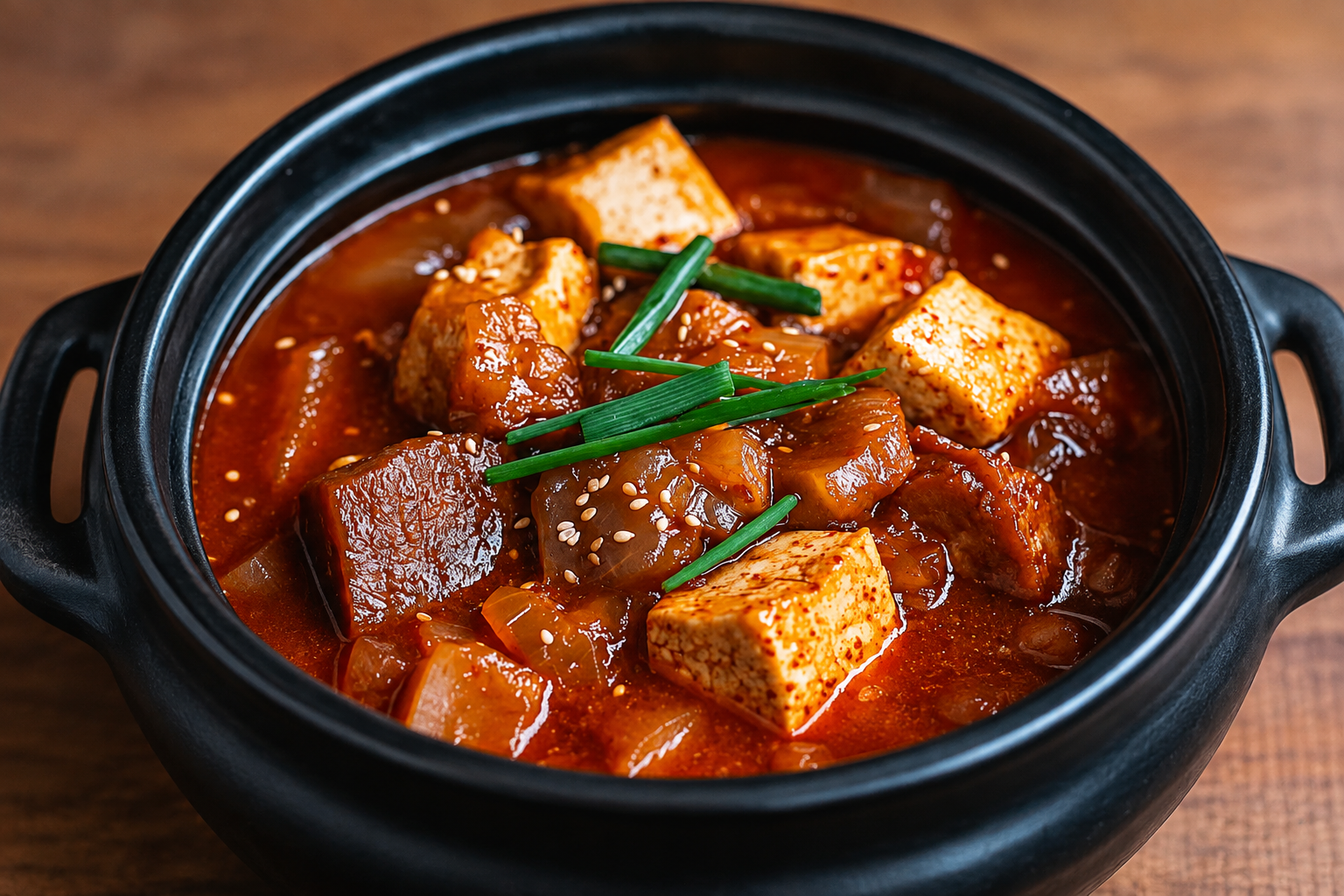
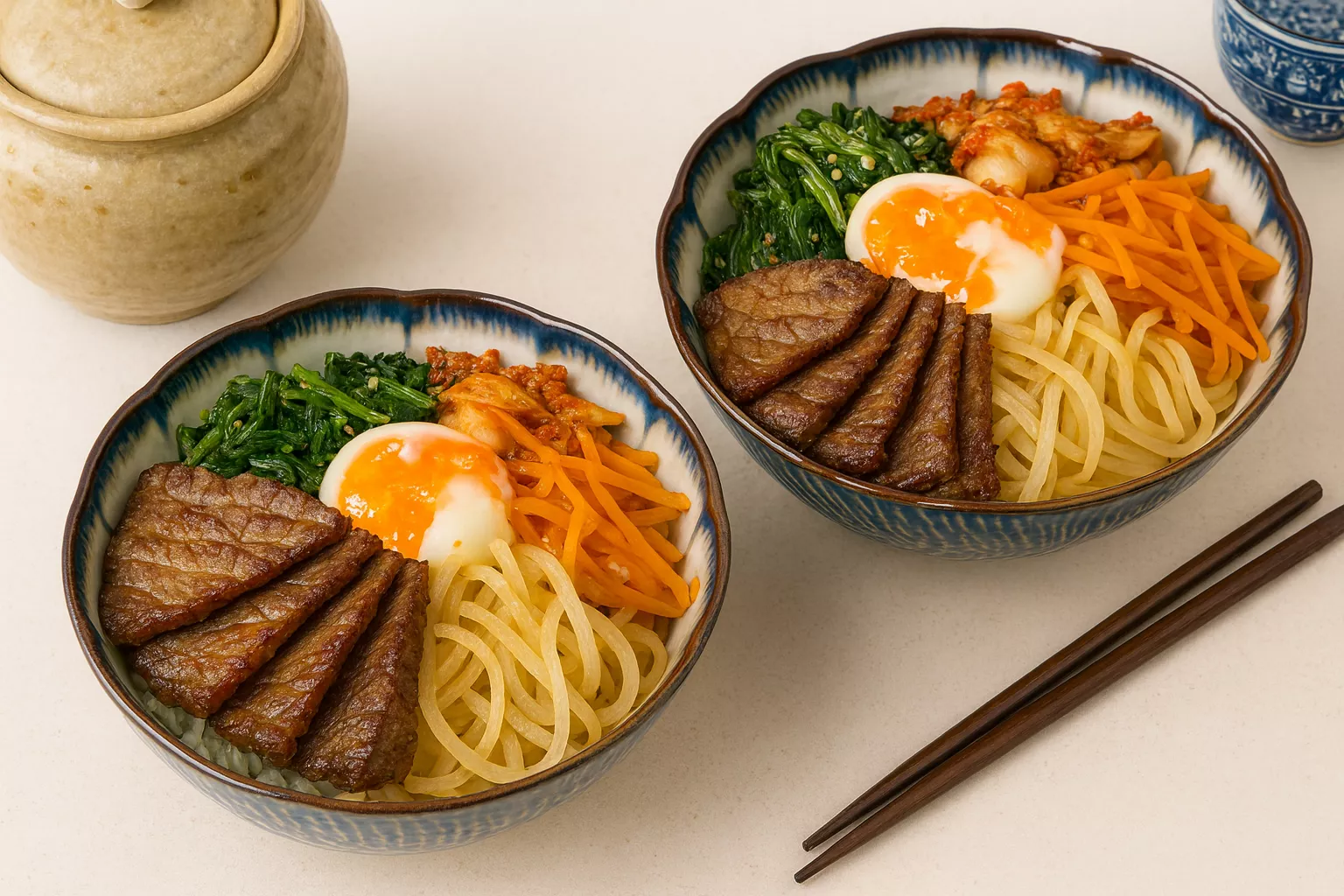
If you enjoyed Japanese Spicy Bibimbap 日本の辛いビビンバ, try our Bibimbap-Style Bowl ビビンバ風ボウル for another colorful rice bowl filled with tasty toppings and balanced flavors. You can also make our Kimchi Jjigae Recipe – How to Make in 30 Minutes キムチチゲ when you are craving something warm, spicy, and comforting. Both recipes are great choices for anyone who loves kimchi, bold seasonings, and easy Korean-inspired meals.
Frequently Asked Questions
Is Japanese Spicy Bibimbap very spicy?
It has a noticeable heat because of the gochujang and kimchi, but you can easily adjust it.
For a milder bowl, reduce the gochujang and choose mild kimchi. Mixing in the soft egg yolk also helps mellow the heat.
Do I need to drain the canned mackerel?
No.
For this recipe, keep the mackerel brine. It is simmered with gochujang, sugar, and soy sauce to create the seasoning for the rice.
Can I use cold leftover rice?
Yes, but reheat it first.
Warm rice separates and combines with the sauce more easily.
Can I make this without kimchi?
Yes.
The flavor will be less tangy and fermented, but the mackerel rice will still work. You can add another lightly seasoned vegetable in its place.
Can I replace the spinach?
Yes.
Try bok choy, bean sprouts, kale, cabbage, or another vegetable that can be cooked until tender and drained well.
Why should I squeeze the spinach twice?
Spinach continues to release moisture after cooking and cutting.
Removing that extra water keeps your rice bowl from becoming soggy.
Why is the sauce reduced before adding the rice?
Reducing concentrates the flavors of the mackerel liquid, gochujang, soy sauce, garlic, and sugar.
It also prevents excess liquid from making the rice too soft.
Can I prepare this recipe in advance?
You can prepare several components ahead of time.
Cook the spinach, chop the vegetables, and prepare the rice earlier. For the best flavor and texture, cook the mackerel rice and assemble the bowls shortly before eating.
Is canned mackerel useful for pantry meals?
Yes.
Unopened canned mackerel is easy to store and can help you prepare a quick meal when fresh ingredients are limited. Always check the package date and follow the manufacturer’s storage directions.
Keeping a few cans in the pantry and replacing them as you use them is also a simple way to rotate stored food regularly.
Can I use another type of canned fish?
Yes.
Tuna, sardines, or salmon can be used, although each one changes the final taste.
If the canned fish is packed in oil rather than brine, the cooking method may need a small adjustment because there will be less water available for the sauce.
What should I serve with Japanese Spicy Bibimbap?
This bowl is filling enough to serve alone, but you can pair it with a simple soup, cucumber salad, steamed vegetables, or a light miso soup.
Conclusion
Learning How to make Japanese Spicy Bibimbap 日本の辛いビビンバ gives you an easy way to turn basic pantry ingredients into a colorful and satisfying meal.
The key is to use the canned mackerel together with its brine, reduce it with gochujang, soy sauce, and sugar, and then coat the warm rice in that concentrated sauce.
Fresh spinach, tangy kimchi, toasted sesame, green onions, seaweed, and a soft-boiled egg bring different tastes and textures to every bite.
Once you know the basic method, it is also easy to make the recipe your own. Add more vegetables, change the level of spice, use a different rice, or experiment with other canned fish.
With a short preparation time and ingredients that are easy to keep on hand, Japanese Spicy Bibimbap 日本の辛いビビンバ can quickly become a useful meal for busy lunches and simple weeknight dinners.

How to make Japanese Spicy Bibimbap 日本の辛いビビンバ
Course: Main CoursesCuisine: JapaneseDifficulty: Easy2
servings15
minutes10
minutes590
kcalA quick and satisfying Japanese-style spicy bibimbap made with canned mackerel, warm rice, kimchi, spinach, gochujang, and a creamy soft-boiled egg. The mackerel brine is cooked into the spicy sauce, giving the rice a rich savory flavor while keeping the recipe simple enough for a busy lunch or weeknight dinner.
Ingredients
Ingredients
350 g cooked rice, warm
1 can mackerel in brine (190 g), including the liquid
70 g kimchi
70 g spinach
1 garlic clove, finely minced
4 green onions (about 30 g), thinly sliced
2 g Korean roasted seaweed, torn into pieces
1 tablespoon gochujang (22 g)
1/2 teaspoon sugar
1 teaspoon soy sauce
1/2 tablespoon toasted white sesame seeds
1 teaspoon sesame oil
Pinch of salt
1/2 tablespoon salad oil or neutral vegetable oil
2 soft-boiled eggs
Small drizzle of sesame oil for serving, optional
Directions
- Prepare the Spinach
Rinse the spinach and place it in a microwave-safe bowl while the leaves are still slightly wet. Add a small pinch of salt and cover loosely. Microwave at 600W for about 1 minute 30 seconds. Transfer the spinach to cold water and leave it for around 3 minutes. Drain well. - Prepare the Vegetables
Finely chop the garlic and slice the green onions into small rounds. Firmly squeeze the cooled spinach to remove excess moisture, trim away the roots, and cut it into pieces about 3 to 4 cm long. - Cook the Garlic
Heat the salad oil and minced garlic in a frying pan over medium heat. When small bubbles begin appearing around the garlic, reduce the heat to low. Cook gently for about 2 minutes, making sure the garlic does not brown too much. - Make the Spicy Mackerel Sauce
Add the canned mackerel together with all of its brine. Move the fish toward one side of the pan so most of the liquid gathers in the open area. Stir the gochujang, sugar, and soy sauce into the liquid. Simmer over medium heat for about 2 minutes, until the sauce reduces and becomes slightly thick. - Mix in the Rice
Break the mackerel into bite-sized chunks. Add the warm cooked rice and stir-fry for about 1 minute, gently separating the rice while coating it evenly with the spicy sauce. Turn off the heat. Add the green onions, toasted sesame seeds, and sesame oil, then mix gently. - Assemble the Bibimbap
Divide the spicy mackerel rice between two bowls. Squeeze the spinach once more if needed, then arrange it with the kimchi and torn Korean seaweed. Add a tiny drizzle of sesame oil over the spinach if desired. Make a small space in the center of each bowl and place a soft-boiled egg on top. Serve warm and mix everything together before eating.
Notes
- Keep the mackerel brine. It is an important part of the sauce and adds extra savory flavor.
Reduce the sauce before adding the rice. This prevents the finished bibimbap from becoming wet or soggy.
Squeeze the spinach thoroughly. Removing excess water keeps the toppings fresh and the rice flavorful.
Add sesame oil after cooking. This helps preserve its toasted aroma.
Adjust the spice level easily. Use slightly less gochujang or mild kimchi for a gentler version.
For the best texture, serve immediately while the rice is hot and the egg yolk is soft.
Did you make this recipe?
Tag @jp.dishes on Instagram so we can see your delicious creation!