
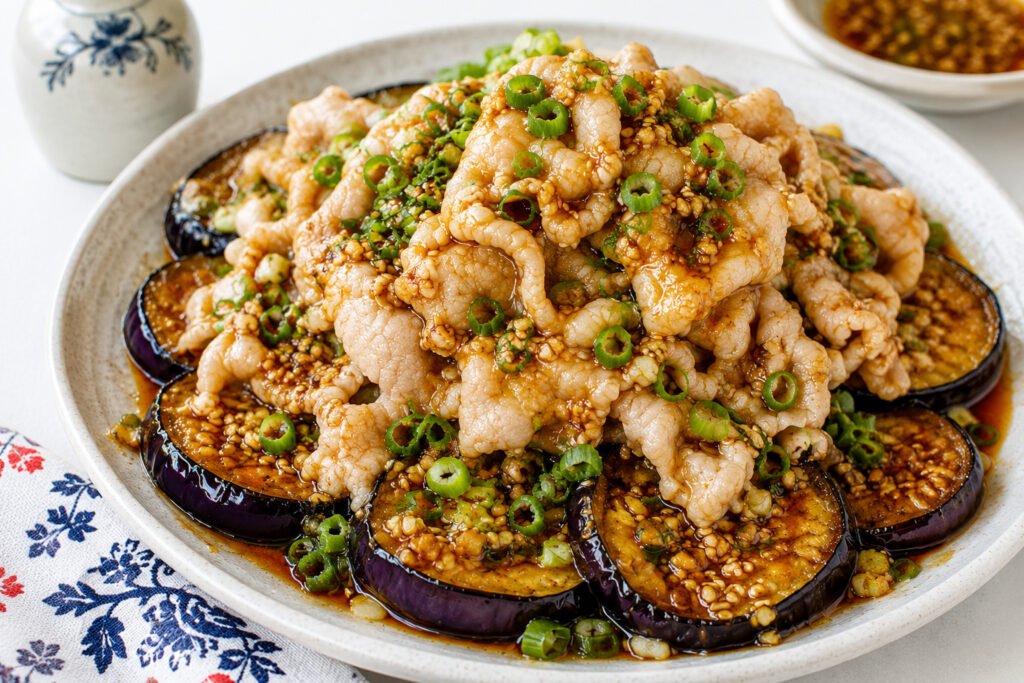
Have you ever wondered how a simple plate of eggplant and thinly sliced pork can become a light, juicy, and flavor-packed Japanese meal in less than 30 minutes?
Eggplant and Pork Shabu-Shabu なすの豚しゃぶ香味だれ is a simple Japanese dish that combines tender pork, soft golden eggplant, and a fresh green onion sauce. The pork is gently cooked in hot water instead of being fried, while the eggplant is pan-cooked until soft and lightly browned. Everything is finished with a savory, tangy sesame sauce.
The result is refreshing enough for a warm day but still filling enough for lunch or dinner.
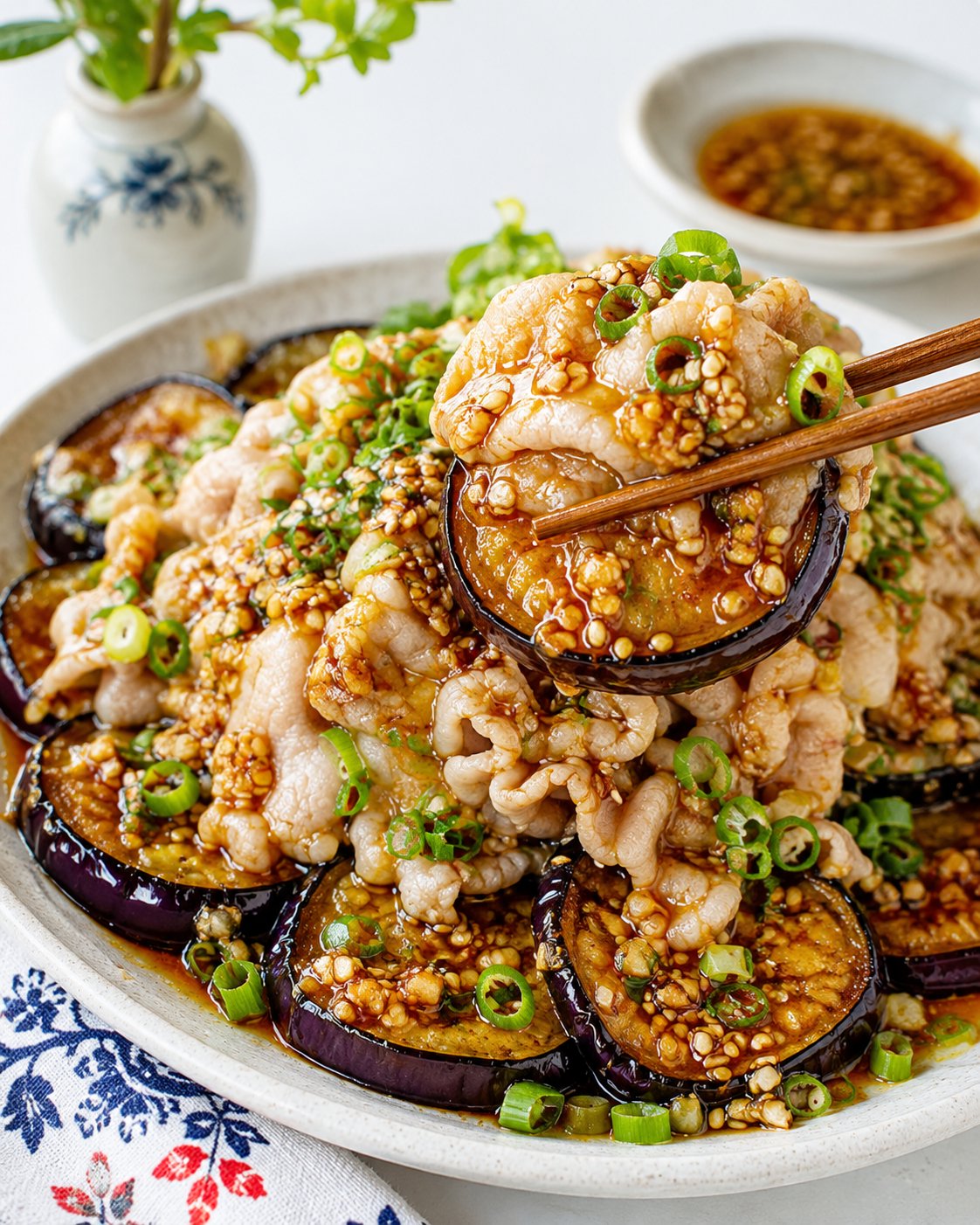
Eggplant and Pork Shabu-Shabu Recipe Overview
Eggplant and Pork Shabu-Shabu is special because it brings together different textures and flavors without requiring difficult cooking techniques.
The eggplant becomes soft and almost creamy inside while developing a lightly caramelized surface in the pan. The pork stays tender because it is cooked very gently. The aromatic dressing adds saltiness, sweetness, acidity, sesame flavor, garlic, and fresh green onion.
It is also a useful recipe when you want something satisfying without preparing a heavy stew or deep-fried dish.
Most of the work involves preparing the sauce, gently cooking the pork, and browning the eggplant.
What Is Eggplant and Pork Shabu-Shabu なすの豚しゃぶ香味だれ?
Shabu-shabu usually refers to thin slices of meat that are quickly cooked in hot water or broth. The name is linked to the movement of swishing thin meat through the hot liquid.
In this version, thin pork belly slices are gently cooked in hot water with sake. Instead of serving the pork in a hot pot, it is paired with pan-fried eggplant.
The Japanese name なすの豚しゃぶ香味だれ can be understood as eggplant and pork shabu-shabu served with a fragrant or aromatic sauce.
The sauce is a very important part of the recipe. Green onion, soy sauce, vinegar, sesame oil, sesame seeds, oyster sauce, sugar, and garlic create a balanced dressing that works with both the pork and eggplant.
Because the dish can be served warm or closer to room temperature, it is especially pleasant during warmer months.
Jump to Recipe Print RecipeEssential Ingredients
Key Ingredients (材料)
Eggplant and Pork Shabu-Shabu なすの豚しゃぶ香味だれThis simple Japanese dish combines tender pork, soft golden eggplant, and a fresh aromatic sauce. Each ingredient has an important role, from adding savory depth to giving the finished dish a refreshing balance of sweet, tangy, nutty, and garlicky flavors.
How to Make Eggplant and Pork Shabu-Shabu
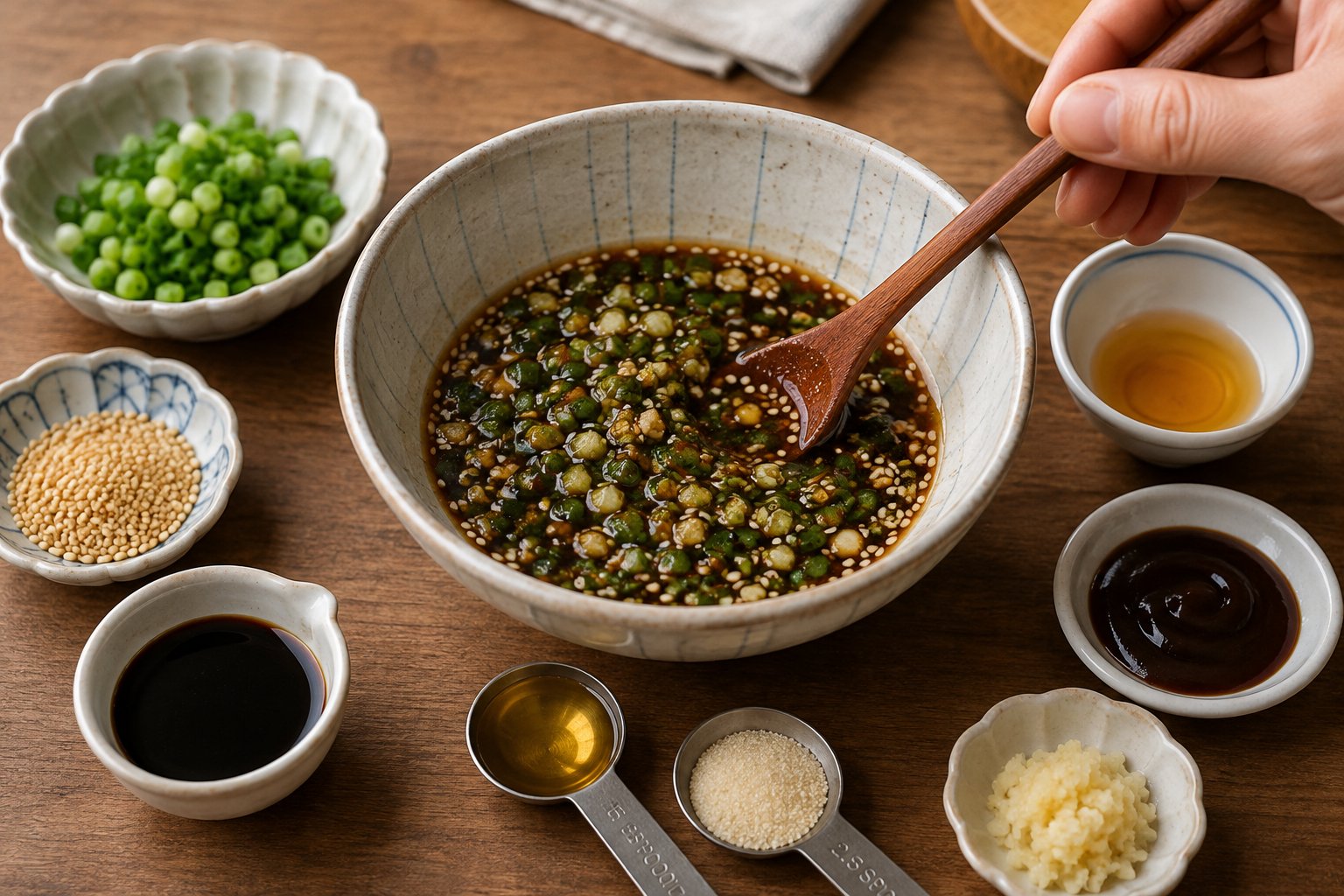
Step 1: Prepare the Aromatic Sauce
- Start by making the sauce so the flavors have a little time to blend.
- Finely chop the green onion and place it in a small bowl.
Add:
- 1 tablespoon soy sauce
- 1 tablespoon vinegar
- 2 teaspoons sugar
- 1/2 tablespoon white sesame seeds
- 1/2 tablespoon sesame oil
- 1 teaspoon oyster sauce
- 1 teaspoon grated garlic
- Stir everything until the sugar is mostly dissolved.
- Taste the sauce. It should have a pleasant balance of salty, sweet, tangy, nutty, and savory flavors.
- Set it aside while you prepare the pork and eggplant.
- Allowing the sauce to rest for several minutes also softens the raw sharpness of the green onion and garlic.
Step 2: Gently Cook the Pork
- Fill a medium pot with about 1.5 liters of water and bring it to a boil.
- Add 2 tablespoons sake.
- Turn off the heat before adding the pork.
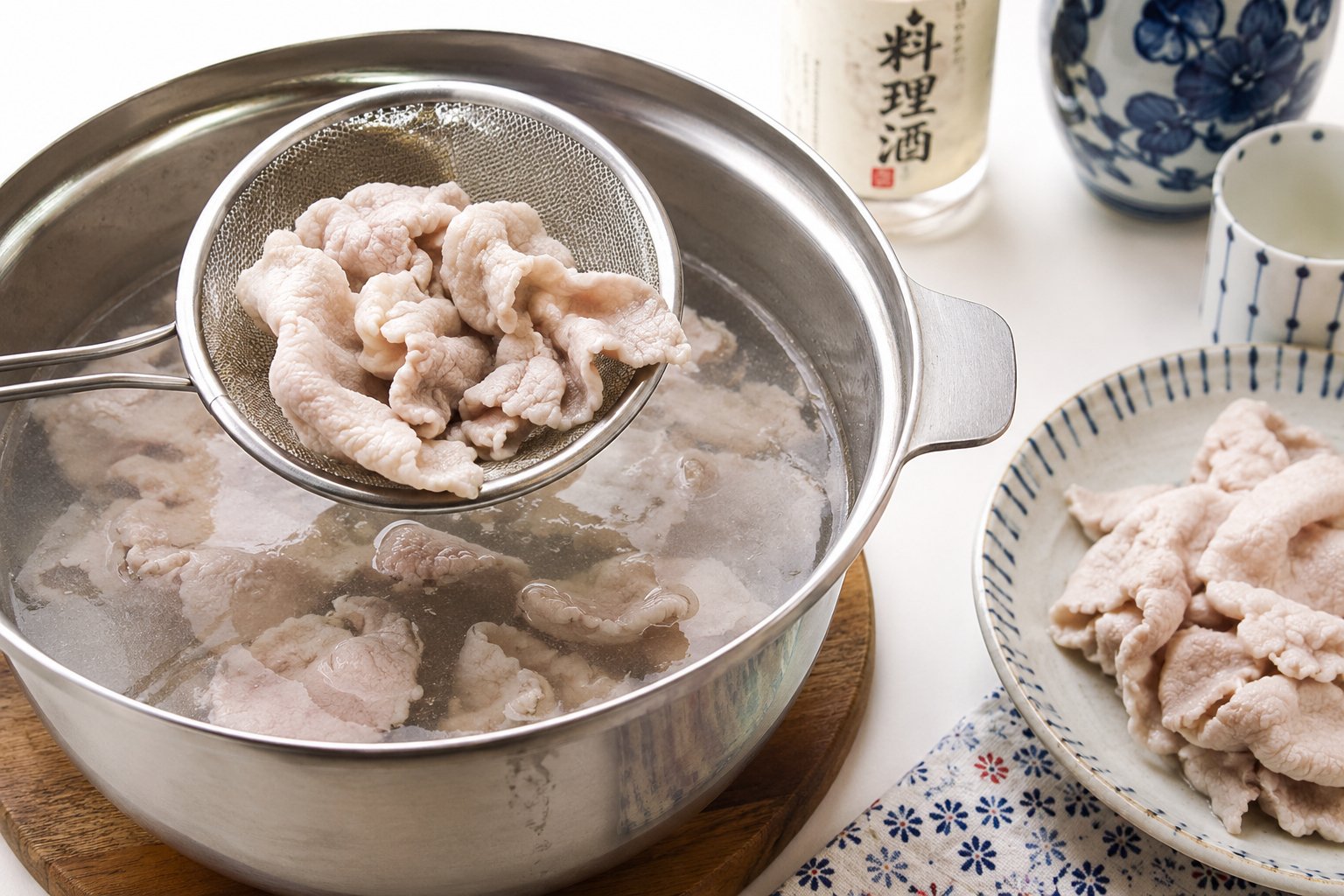
- Separate the thin pork slices so they do not stick together. Add them gradually to the hot water.
- Gently move the pork through the water until the pink color disappears.
- This should happen quickly because shabu-shabu meat is very thin.
- As soon as the pork changes color and is fully cooked, remove it using a slotted spoon, mesh strainer, or colander.
- Place it on a plate and allow it to cool naturally for a few minutes.
- Do not leave the pork sitting in very hot water after it is cooked. Too much heat can make thin slices of pork tough and dry.
- Avoid rinsing the cooked pork under cold water because this can wash away flavor and firm up the fat.
Step 3: Cook the Eggplant
- Wash and dry the eggplants.
- Remove the stem ends and slice the eggplant into rounds of similar thickness. Keeping the pieces even helps them cook at the same speed.
- Heat about 2 tablespoons sesame oil in a frying pan over medium heat.
- Arrange the eggplant slices in a single layer.
- Cook for approximately 3 to 4 minutes, turning when needed, until both sides develop golden spots.
- The inside should become tender and soft.
- If your frying pan is small, cook the eggplant in batches. Crowding the pan can trap steam and make browning more difficult.
- Watch the heat carefully because sesame oil and eggplant can brown quickly.
- Once tender, remove the eggplant from the heat.

Step 4: Assemble and Add the Sauce
- Arrange the cooked eggplant on a serving plate or shallow bowl.
- Place the tender pork over or beside the eggplant.
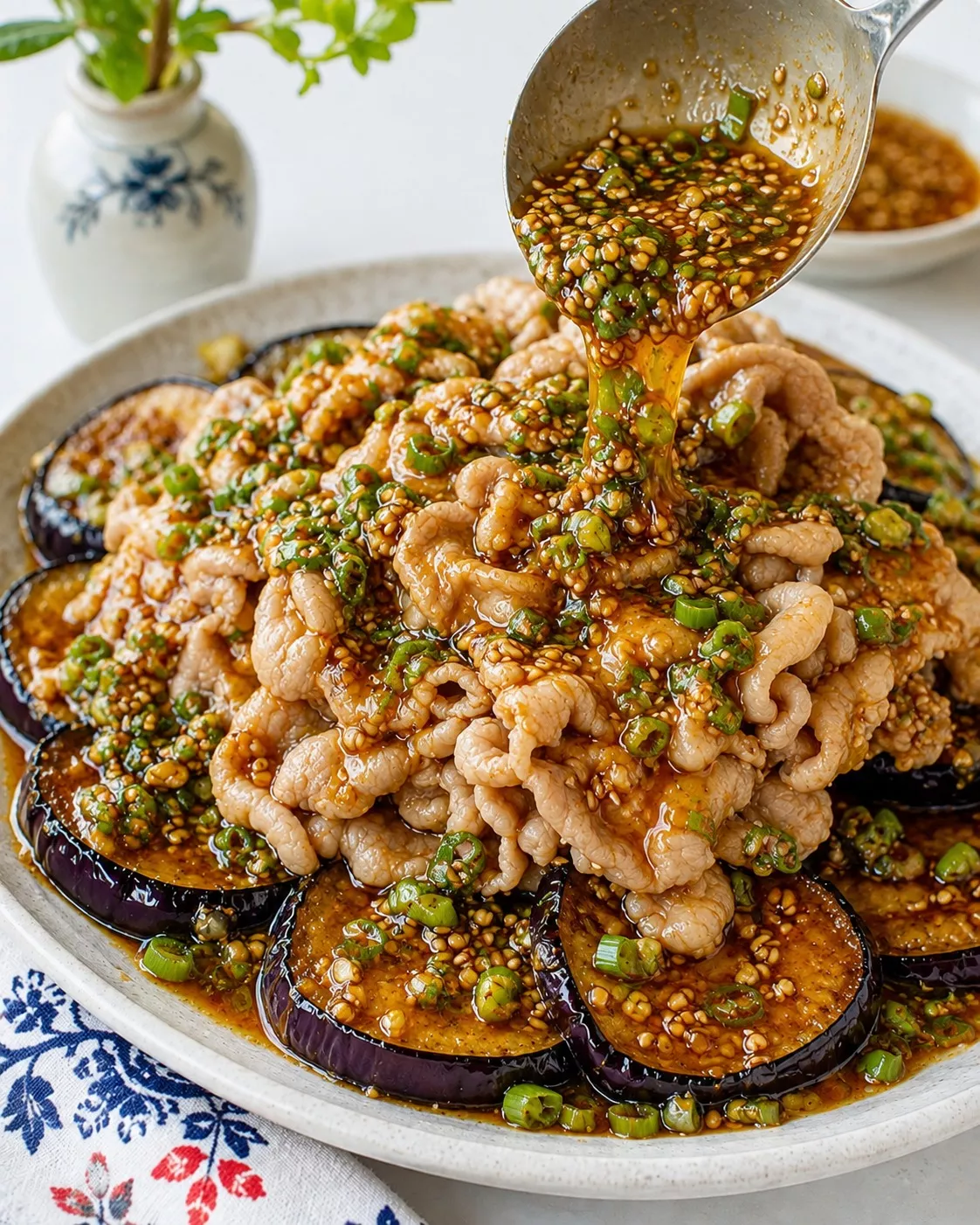
- Give the aromatic green onion sauce another stir and spoon it generously over everything.
- Make sure some of the chopped green onions and sesame seeds reach every part of the dish.
- Allow the dish to sit for a few minutes before serving if you have time. The warm eggplant will absorb some of the dressing, making each bite even more flavorful.
- Serve warm, at room temperature, or lightly chilled.
Secrets to Success and Expert Tips
These simple tips will help you make tender and flavorful Eggplant and Pork Shabu-Shabu なすの豚しゃぶ香味だれ with juicy pork, soft golden eggplant, and a well-balanced aromatic sauce:
-
♥
Cook the pork gently
Bring the water to a boil, add the sake, then turn off the heat before adding the thin pork slices. Gentle heat helps the meat stay soft and moist instead of becoming tough. -
♥
Remove the pork as soon as it is cooked
Thin shabu-shabu pork cooks very quickly. Take it out once the pink color disappears so it does not overcook and lose its tender texture. -
♥
Let the pork cool naturally
Avoid rinsing the cooked pork in cold water. Letting it cool on its own helps preserve its flavor and keeps the texture pleasantly tender. -
♥
Brown the eggplant slowly
Cook the eggplant over medium heat until the slices are soft inside and lightly golden on the surface. This brings out their natural sweetness and helps them absorb the sauce. -
♥
Mix the aromatic sauce well
Stir the green onion, soy sauce, vinegar, sugar, sesame seeds, sesame oil, oyster sauce, and garlic until evenly combined. Stir again before serving because the ingredients may settle. -
♥
Let the finished dish rest briefly
After pouring the sauce over the pork and eggplant, leave the dish for a few minutes before serving. The warm eggplant will soak up some of the dressing and become even more flavorful.
How to Assemble Eggplant and Pork Shabu-Shabu
Assembly is simple, but presentation can make this easy meal look beautiful.
Start with the eggplant.
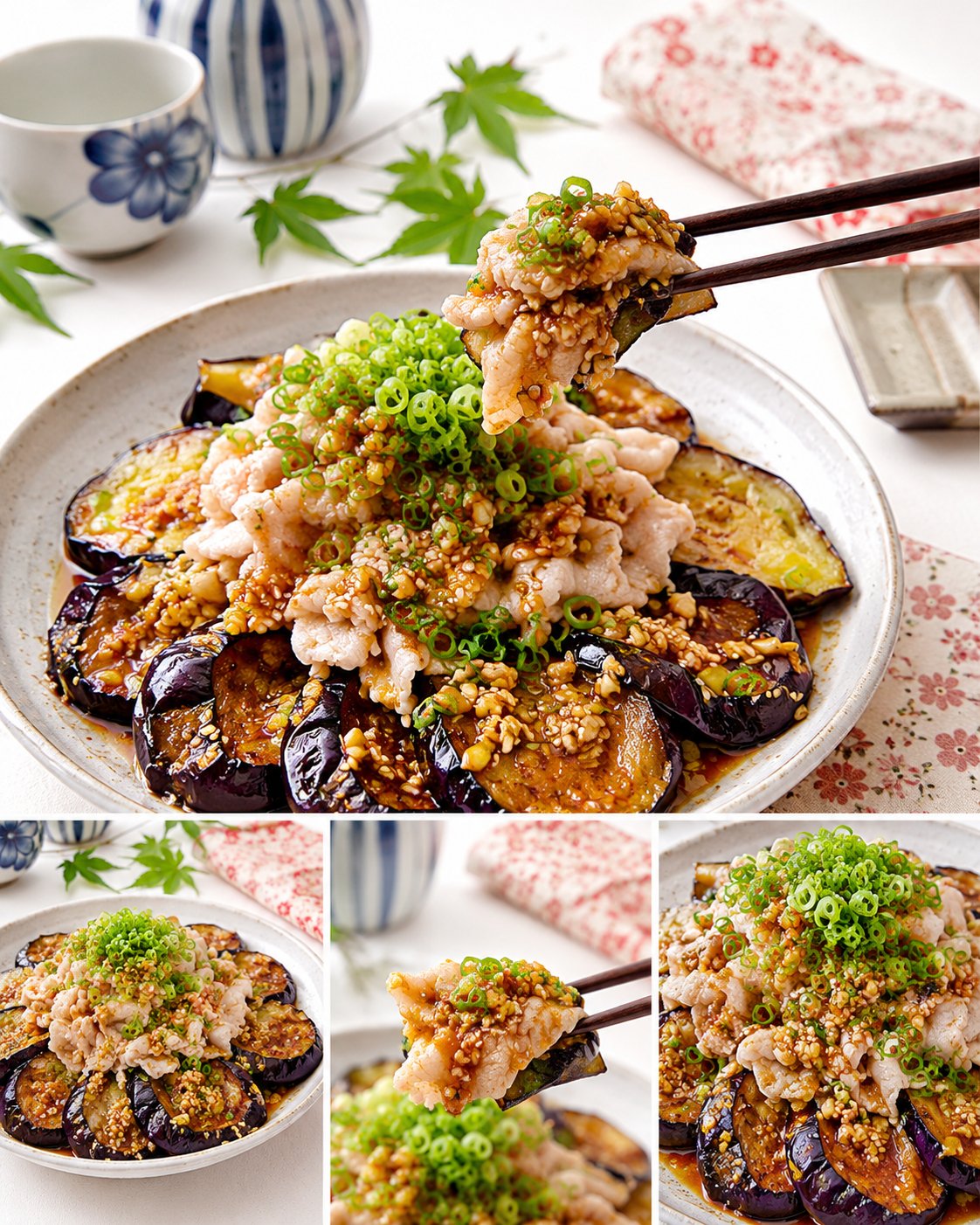
Arrange the golden eggplant slices slightly overlapping around a shallow serving bowl or plate.
Next, loosely place the cooked pork on top. Try not to compress the pork into a tight pile. Loose folds make the thin slices look more attractive and help the sauce spread between them.
Spoon the green onion sauce across the pork and eggplant.
Finish with a few extra sesame seeds or finely sliced green onions if desired.
For a complete meal, serve it with steamed Japanese rice, miso soup, or a simple cucumber salad.
Hana’s Recipe Tips
Hana recommends preparing the sauce first and giving it a short resting time while you cook everything else. Even ten minutes can help the green onion, garlic, soy sauce, vinegar, and sesame oil come together.
Another helpful trick is to cook the eggplant shortly before serving. Warm eggplant absorbs the dressing very well.
When preparing the pork, separate the slices before placing them in the water. Dropping a large clump into the pot can cause some pieces to overcook while the center remains undercooked.
Finally, do not cover the dish with too much sauce immediately. Add most of it first, taste, and keep a little extra on the side. This makes it easy for each person to adjust the flavor.
Recipe Variations
Eggplant and Pork Shabu-Shabu なすの豚しゃぶ香味だれ is easy to customize. You can change the pork, add more vegetables, or adjust the aromatic sauce while keeping the dish light, fresh, and simple to prepare.
Make It Spicy
Add a little heat to the aromatic green onion sauce if you enjoy spicy flavors:
- Japanese chili oil (rayu) for gentle heat
- Shichimi togarashi for a warm, citrusy spice
- Fresh chopped chili for a brighter kick
Try Different Cuts of Pork
Pork belly gives the dish a rich taste, but other thinly sliced cuts work well too:
- Pork loin for a leaner and lighter version
- Pork shoulder for a tender, balanced texture
- Pork thigh for a lower-fat option
Add More Vegetables
Extra vegetables can make the dish more colorful, refreshing, and filling:
- Thinly sliced cucumber for a cool crunch
- Blanched bean sprouts for extra texture
- Fresh tomato for sweetness and acidity
- Steamed spinach for a simple green addition
Change the Aromatic Sauce
Small additions can give the sauce a new flavor while keeping its fresh Japanese-style character:
- Add grated ginger for a fresh and slightly spicy aroma
- Add extra toasted sesame seeds for more nuttiness
- Use a little ponzu for a brighter citrus flavor
- Add finely grated daikon for a lighter, refreshing finish
Storage and Make-Ahead Tips
Eggplant and Pork Shabu-Shabu is best eaten fresh, but leftovers can be stored.
Place the pork and eggplant in an airtight container and refrigerate them.
For the best quality, eat leftovers within 1 to 2 days.
The aromatic sauce can also be made ahead and kept separately in a sealed container in the refrigerator.
Before serving, stir the sauce because the sesame oil and other ingredients may separate.
This dish does not need to be very hot. You can enjoy refrigerated leftovers cool or allow them to sit at room temperature briefly before eating.
If you prefer it warm, reheat gently. Avoid overheating the pork because it can become dry.
Freezing is not recommended. Cooked eggplant can become watery and lose its pleasant texture after freezing and thawing.
Recipe Variations
Eggplant and Pork Shabu-Shabu なすの豚しゃぶ香味だれ is easy to customize. You can change the pork, add more vegetables, or adjust the aromatic sauce while keeping the dish light, fresh, and simple to prepare.
Make It Spicy
Add a little heat to the aromatic green onion sauce if you enjoy spicy flavors:
- Japanese chili oil (rayu) for gentle heat
- Shichimi togarashi for a warm, citrusy spice
- Fresh chopped chili for a brighter kick
Try Different Cuts of Pork
Pork belly gives the dish a rich taste, but other thinly sliced cuts work well too:
- Pork loin for a leaner and lighter version
- Pork shoulder for a tender, balanced texture
- Pork thigh for a lower-fat option
Add More Vegetables
Extra vegetables can make the dish more colorful, refreshing, and filling:
- Thinly sliced cucumber for a cool crunch
- Blanched bean sprouts for extra texture
- Fresh tomato for sweetness and acidity
- Steamed spinach for a simple green addition
Change the Aromatic Sauce
Small additions can give the sauce a new flavor while keeping its fresh Japanese-style character:
- Add grated ginger for a fresh and slightly spicy aroma
- Add extra toasted sesame seeds for more nuttiness
- Use a little ponzu for a brighter citrus flavor
- Add finely grated daikon for a lighter, refreshing finish
Variation Recipes to Try
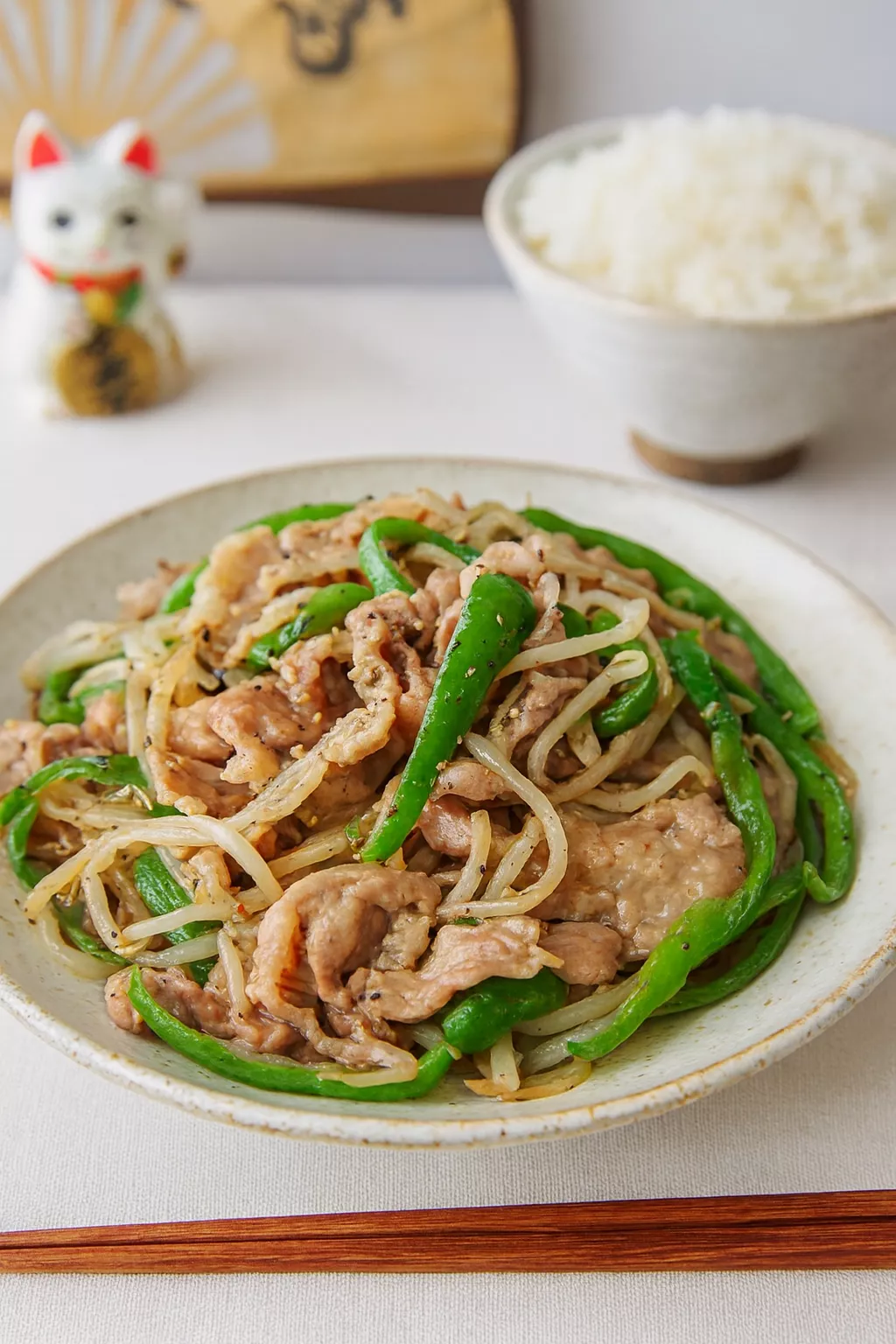
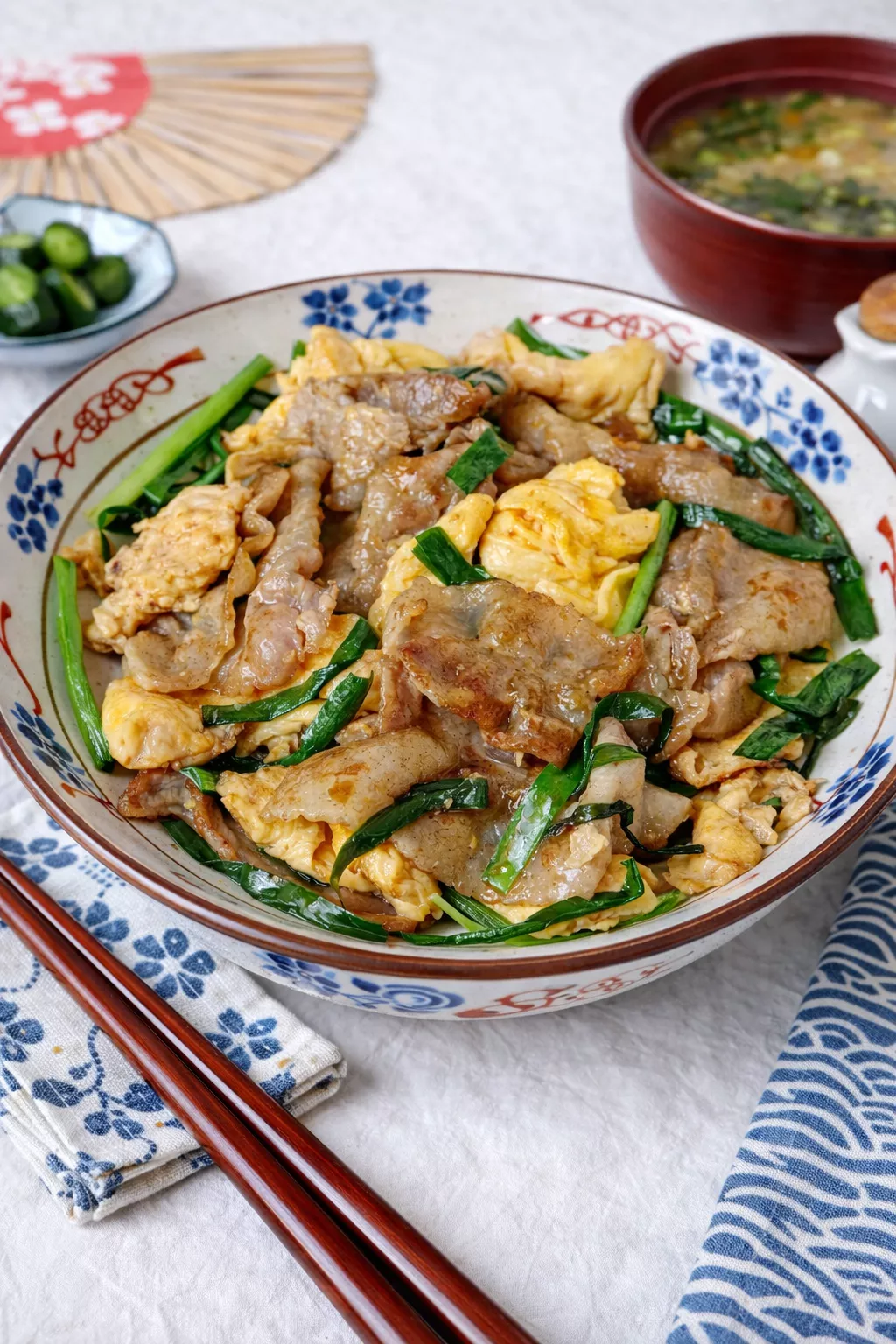
If you enjoyed this Eggplant and Pork Shabu-Shabu, try a few more easy Japanese pork dishes next. Stir-fried Pork with Chives 豚肉とチャイブの炒め物 combines tender pork with fresh chives in a quick and savory stir-fry that is perfect for busy weeknights. You may also like Stir-Fried Pork with Bell Peppers 豚肉とピーマンの炒め物 , a colorful and flavorful dish with juicy pork and crisp bell peppers. Both recipes are simple to prepare and pair beautifully with a bowl of warm Japanese rice.
Why You Will Love This Recipe
Eggplant and Pork Shabu-Shabu offers a good combination of protein and vegetables in one simple dish.
Pork provides protein as well as several nutrients, while eggplant adds vegetables and dietary fiber to the meal.
Another benefit is that the pork is gently cooked in water rather than fried in a large amount of oil.
The recipe is also very flexible. You can serve it with rice, noodles, soup, or extra vegetables. You can even prepare parts of the dish ahead of time.
Because the whole meal can be ready in around 25 minutes, it is especially useful for busy weekdays.
Frequently Asked Questions
Can I use another cut of pork?
Yes. Pork loin, shoulder, thigh, and belly can all work. Choose very thin slices designed for shabu-shabu if possible.
Why should I turn off the heat before cooking the pork?
Thin pork cooks very quickly. Using hot water without strong boiling helps it cook more gently and can give it a softer texture.
Can I make Eggplant and Pork Shabu-Shabu ahead of time?
Yes. You can prepare the dressing ahead and refrigerate it. The pork can also be cooked earlier in the day.
For the best texture, cooking the eggplant closer to serving time is recommended.
Can I eat this dish cold?
Yes. It is delicious warm, at room temperature, or lightly chilled, which makes it particularly suitable for hot weather.
Can I use regular eggplant?
Yes. Japanese eggplant is excellent for this recipe, but regular eggplant also works. Simply cut it into pieces that are easy to cook and eat.
Is Eggplant and Pork Shabu-Shabu healthy?
It can be part of a balanced meal. The dish provides protein from pork and vegetables from eggplant and green onion. The pork is also cooked in water instead of being deep-fried.
Keep in mind that soy sauce and oyster sauce contain sodium, so the sauce can be adjusted if you need a lower-sodium meal.
Can I reduce the sesame oil?
Yes. You can use less sesame oil for frying the eggplant, although the texture and flavor may be slightly different.
What should I serve with it?
Steamed rice is the easiest choice. You can also serve it with miso soup, chilled noodles, cucumber salad, steamed vegetables, or pickles.
How long can leftovers be stored?
Keep leftovers in a sealed container in the refrigerator and enjoy them within about 1 to 2 days for the best quality.
Can I leave out the sake?
Yes. The pork can be cooked in plain hot water if sake is unavailable.
Conclusion
Eggplant and Pork Shabu-Shabu なすの豚しゃぶ香味だれ is an easy Japanese recipe that turns a few everyday ingredients into a fresh and satisfying meal.
Tender pork, golden eggplant, green onions, sesame, garlic, soy sauce, and vinegar create layers of flavor without requiring a complicated cooking process.
The most important part is gentle cooking. Keep the pork tender by avoiding a hard boil, cook the eggplant until soft and golden, and finish everything with plenty of aromatic sauce.
Serve it with rice for an easy dinner, pair it with vegetables for a lighter meal, or try one of the variations to create your own version. With its quick preparation, flexible ingredients, and refreshing flavor, Eggplant and Pork Shabu-Shabu is a recipe that can easily become part of your regular meal rotation.

How to Make Eggplant and Pork Shabu-Shabu なすの豚しゃぶ香味だれ
Course: Main CoursesCuisine: JapaneseDifficulty: Easy1
servings10
minutes15
minutes650
kcalTender pork shabu-shabu and soft, golden eggplant come together with a fragrant green onion, sesame, garlic, and soy-vinegar sauce. This easy Japanese dish is refreshing, savory, and satisfying, making it especially good for a quick lunch or warm-weather dinner.
Ingredients
Main Ingredients
— 2 eggplants (about 200 g)
— 200 g thinly sliced pork belly for shabu-shabu
— 2 tablespoons sake
— 2 tablespoons sesame oil, for cooking the eggplantAromatic Sauce
— 1/2 bunch green onions, finely chopped
— 1 tablespoon soy sauce
— 1 tablespoon vinegar
— 2 teaspoons sugar
— 1/2 tablespoon white sesame seeds
— 1/2 tablespoon sesame oil
— 1 teaspoon oyster sauce
— 1 teaspoon grated garlic
Directions
- Step 1: Make the Aromatic Sauce
Place the finely chopped green onions in a small bowl. Add the soy sauce, vinegar, sugar, white sesame seeds, sesame oil, oyster sauce, and grated garlic. Stir well until the sugar is mostly dissolved and all the ingredients are evenly combined. Set the sauce aside while preparing the pork and eggplant. - Step 2: Gently Cook the Pork
Bring about 1.5 liters of waterto a boil in a pot and add the 2 tablespoons of sake. Turn off the heat, then separate the pork slices and place them into the hot water a few at a time. Gently move them through the water until the pink color disappears and the pork is fully cooked. Remove immediately with a slotted spoon or strainer and let the pork cool naturally. - Step 3: Pan-Cook the Eggplant
Wash the eggplants, remove the stems, and slice them into even rounds. Heat about 2 tablespoons sesame oilin a frying pan over medium heat. Arrange the eggplant in a single layer and cook for about 3–4 minutes, turning as needed, until the slices are tender inside and lightly golden on both sides. - Step 4: Assemble and Serve
Arrange the warm eggplant on a serving plate or shallow bowl. Place the tender pork over or beside the eggplant. Stir the aromatic sauce once more, then spoon it generously over the pork and eggplant. Let the dish rest for a few minutes so the eggplant can absorb some of the dressing, then serve warm, at room temperature, or lightly chilled.
Notes
- Use very thin pork slices for the softest shabu-shabu texture.
Avoid strongly boiling the pork. Gentle heat helps keep it moist and tender.
Remove the pork as soon as it is fully cooked so it does not become tough.
Let the cooked pork cool naturally instead of rinsing it in cold water.
Cook the eggplant until it is soft inside with lightly browned edges for the best flavor.
Stir the sauce again just before serving because the sesame oil and seasonings may separate.
Pork loin, shoulder, or thigh can replace pork belly if you prefer a leaner version.
Rice vinegar works especially well for a mild and refreshing sauce.
Serve with steamed Japanese rice, miso soup, or a simple cucumber salad.
Did you make this recipe?
Tag @jp.dishes on Instagram so we can see your delicious creation!