
What Makes Mille Feuille Nabe So Special?
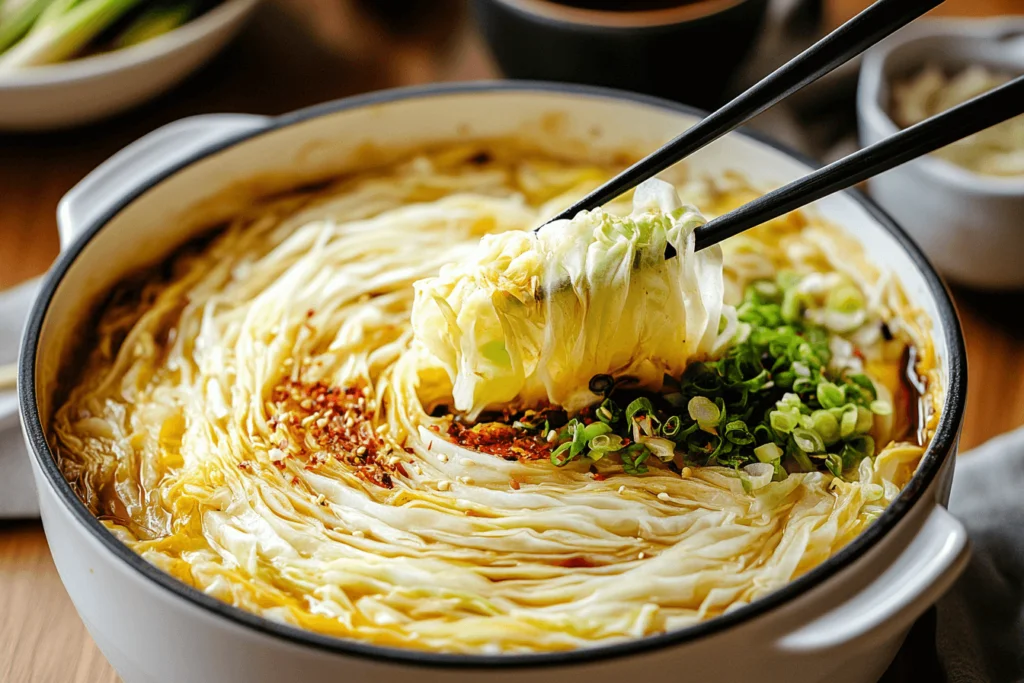
If you’ve ever wondered how a single pot of layered ingredients can transform into a comforting, flavorful masterpiece, then Mille Feuille Nabe (ミルフィーユ鍋) is the answer to your curiosity! 🤔 This Japanese hot pot dish combines tender meat, fresh vegetables, and a savory broth in a beautifully layered presentation that’s as delicious as it is visually stunning. Whether you’re looking for a cozy meal or a show-stopping dish for guests, Mille Feuille Nabe delivers on all fronts. For another classic Japanese dish, check out this recipe for Gyudon (Japanese Beef Rice Bowl) —it’s quick, easy, and perfect for busy weeknights! Let’s dive into this simple yet elegant recipe and discover why it’s taking kitchens by storm! 🌟
🌸Table of Contents
Why You’ll Love Mille Feuille Nabe ❤️
Mille Feuille Nabe is special because it combines simplicity with sophistication. The name “mille feuille” (French for “a thousand leaves”) refers to its layered appearance, which mimics the famous pastry but swaps delicate dough for hearty vegetables and protein. 🥞 The result? A comforting, nutrient-packed meal that’s quick to prepare and easy to customize.
- Time Requirement: Prep time: 15 minutes | Cook time: 20 minutes | Total: 35 minutes ⏰
- Difficulty Level: Beginner-friendly 👩🍳👨🍳
This dish is perfect for busy weeknights, family dinners, or even entertaining guests. Plus, Mille Feuille Nabe is packed with health benefits and can be tailored to suit any dietary preference!
Essential Ingredients: The Stars of the Show 🌟
To make the best Mille Feuille Nabe , you’ll need these key components:
Main Ingredients:
- Napa Cabbage: This mild, sweet vegetable forms the foundation of each layer. It softens beautifully when cooked, adding texture and flavor. 🥬
- Pork Belly Slices: Thinly sliced pork belly brings richness and umami to the dish. Substitute chicken, beef, or tofu if you prefer. 🐷
- Ginger: Thinly sliced fresh ginger adds a warm, aromatic touch to the broth, enhancing its savory flavors and creating a harmonious balance. ✨
- Dashi Stock: A light yet flavorful broth made from kombu (seaweed) and bonito flakes. For convenience, use store-bought dashi powder. 🌊
Seasonings:
- Soy Sauce: Adds salty-savory goodness to the broth. 🥢
- Sake: Enhances the overall flavor profile. 🍶
- Salt: Balances everything out.
Dipping Sauce:
- Ponzu Sauce: A tangy citrus-based sauce that pairs perfectly with hot pot dishes. 🍋
- Green Onion: Finely chopped green onions add freshness. 🌿
- Shichimi Togarashi (Optional): A sprinkle of this Japanese seven-spice blend gives a spicy kick. 🔥
Substitutions & Variations:
- Swap napa cabbage with bok choy or kale for variety. 🥬
- Use tofu or mushrooms instead of meat for a vegetarian version. 🍄
- For an extra layer of flavor, blend in some miso paste to enrich the broth with its bold, savory umami essence.
Step-by-Step Instructions: Let’s Get Cooking! 🥄🔥
Let’s walk through the simple process of making Mille Feuille Nabe, one step at a time:
- Prepare Your Ingredients:
- Give the napa cabbage a good rinse, then cut it into small, even pieces that are perfect for layering in your hot pot.
- Slice the pork belly thinly if it’s not pre-cut.
- Peel and thinly slice the ginger.
- Make the Broth:
- Start by adding dashi stock, soy sauce, sake, and a small pinch of salt to a pot, blending them together to form the flavorful base of your broth. Bring it to a simmer over medium heat. Adjust seasoning to taste.
- Layer the Ingredients:
- Start with a layer of napa cabbage at the bottom of your hot pot.
- Layer a few thin slices of pork belly evenly over the ingredients, creating a rich and savory addition to your dish. Continue layering the ingredients in the same pattern until everything is used, ending with a top layer of napa cabbage for a neat and polished finish. 🥗
- Cook Slowly:
- Pour the prepared broth over the layered ingredients. Cover the pot and let it cook on low heat for 15–20 minutes. Avoid stirring—the magic happens when the flavors meld together naturally!
- Serve Hot:
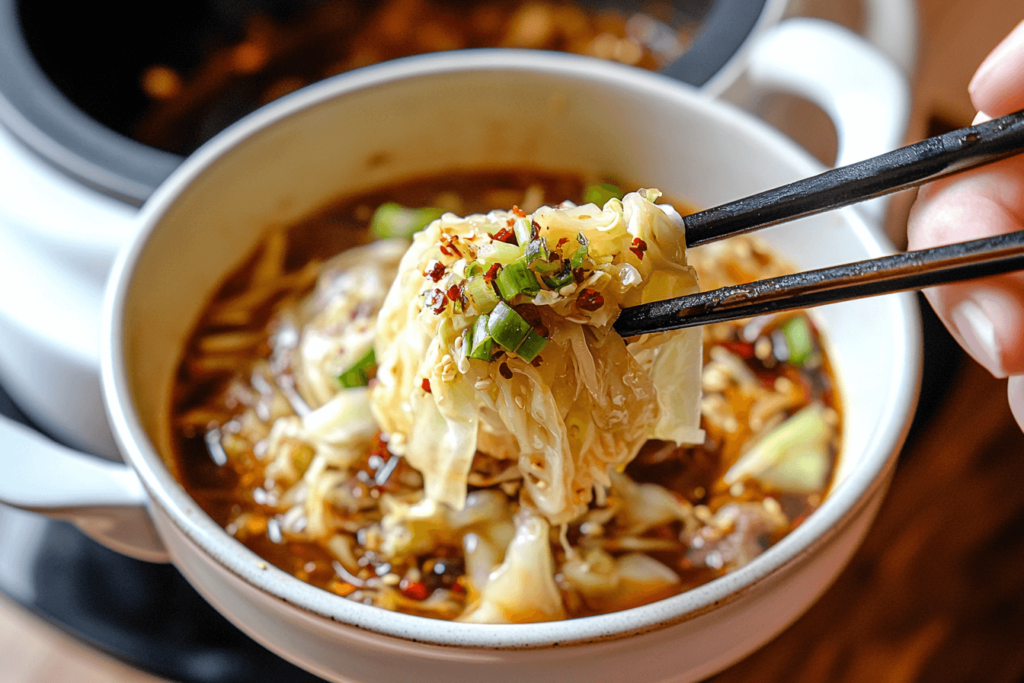
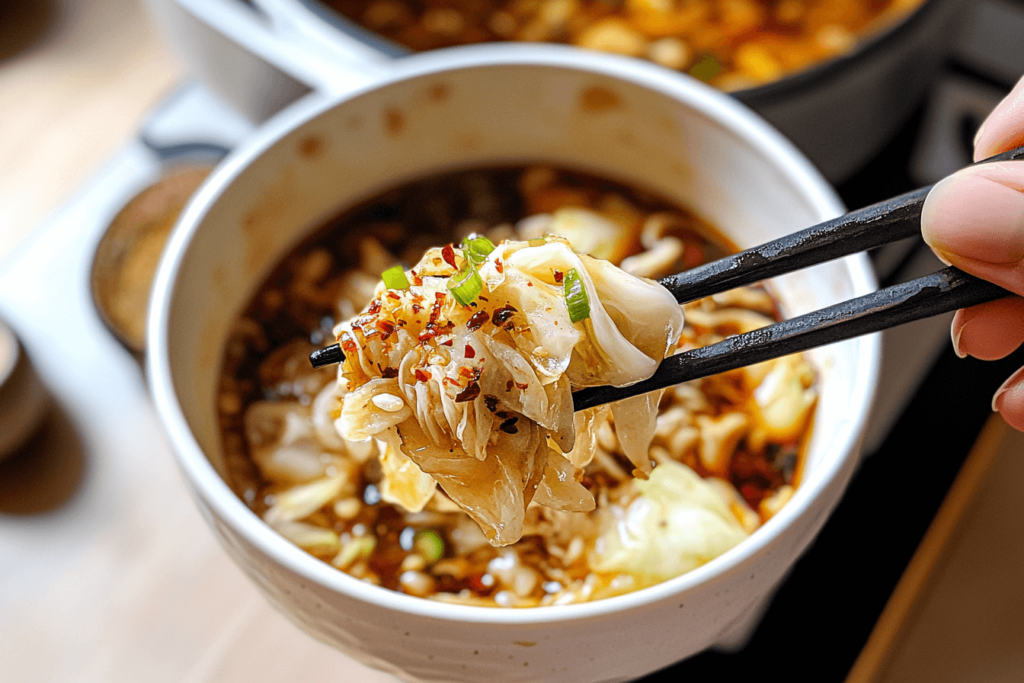
- Once cooked, transfer portions to individual bowls. Drizzle ponzu sauce over the top and garnish with green onions and shichimi togarashi if desired.
Pro Tip: Use a clay pot or donabe for an authentic presentation and even cooking. 🏯

Assembly: Building Layers Like a Pro 🧱🎨
The beauty of Mille Feuille Nabe lies in its assembly. Here’s how to create those picture-perfect layers:
- Alternate between vegetables and protein for balanced flavors.
- Keep the layers neat but not too tight—they’ll shrink as they cook.
- For extra flair, place ginger slices strategically between layers.
When serving, arrange colorful garnishes on top to make your dish Instagram-worthy! 📸
Storage and Make-Ahead Tips: Save Time, Enjoy Later ⏳📦
Leftovers? No problem! Store the cooked ingredients and broth separately in airtight containers in the fridge for up to 3 days. Reheat gently on the stovetop before enjoying again.
For make-ahead prep:
- Chop veggies and slice meat ahead of time.
- Whip up the broth ahead of time and keep it chilled in the fridge until you’re ready to bring your dish to life.
Recipe Variations: Get Creative! 🎨🍴
Why stick to the basics when you can experiment? Try these ideas:
- Seafood Lovers’ Dream: Toss in some shrimp, scallops, or clams to give your dish a delightful ocean-inspired upgrade. 🦐
- Spicy Kick: Stir in gochujang or chili oil for a fiery version. 🔥
- Vegan Option: Skip the meat and load up on mushrooms, carrots, and tofu. 🌱
Conclusion: Time to Shine in the Kitchen! 🌟🎉
Congratulations—you now know how to make the best Mille Feuille Nabe ! This dish proves that simplicity and elegance can go hand in hand. Whether you’re hosting a dinner party or whipping up a quick weeknight meal, Mille Feuille Nabe will impress everyone at the table. So grab your ingredients, fire up the stove, and let your culinary creativity shine! 💪✨
Looking for more inspiration? Check out this article on 8 Spring Day Trips from Tokyo with Stunning Fuji Views . It’s the perfect way to plan your next adventure while enjoying the flavors of Japan at home!
FAQs: Your Burning Questions Answered 🔥📝
Q: Is Mille Feuille Nabe healthy?
A: Absolutely! Packed with veggies, lean protein, and nutrient-rich dashi, it’s a wholesome choice.
Q: Can I freeze leftovers?
A: Yes, but freeze only the broth and cooked veggies. Avoid freezing raw meat.
Q: What sides pair well with this dish?
A: Steamed rice, pickled vegetables, or a side salad complement it perfectly.
Q: How do I prevent the pork from becoming tough?
A: Use thin slices and avoid overcooking. Low and slow is the way to go!
We hope this guide inspires you to try making Mille Feuille Nabe at home. Happy cooking! 🍲💖